The United States has formally concluded its withdrawal from the World Health Organization (WHO), fulfilling an executive order signed by President Donald Trump. The move marks a definitive end to nearly 80 years of American leadership in global public health and has plunged the international agency into an immediate financial and operational crisis.
The withdrawal comes amid a broader U.S. disengagement from multilateralism. Earlier this month, the White House announced plans to exit 66 international organizations, 31 of which are United Nations entities citing that they no longer serve American national interests.
Reasons for Withdrawal
The Trump administration has consistently criticized the WHO for its perceived “mishandling” of the COVID-19 pandemic and alleged “inappropriate political influence” from member states, particularly China.
The State Department defended the exit, stating that the American people have paid “more than enough” for a bureaucratic structure that they claim failed to share critical information during past health emergencies.
Impact on Global and Domestic Health
The U.S. departure removes the WHO’s largest single source of funding, which previously accounted for approximately 18% of the organization’s budget.
Experts from the Infectious Diseases Society of America (IDSA) warn that the U.S. will no longer participate in the Global Influenza Surveillance and Response System. This exit may hamper the ability to match annual flu vaccines to circulating strains.
Global response teams for threats like Ebola, Mpox, and Dengue are expected to see significant budget cuts and staff reductions.
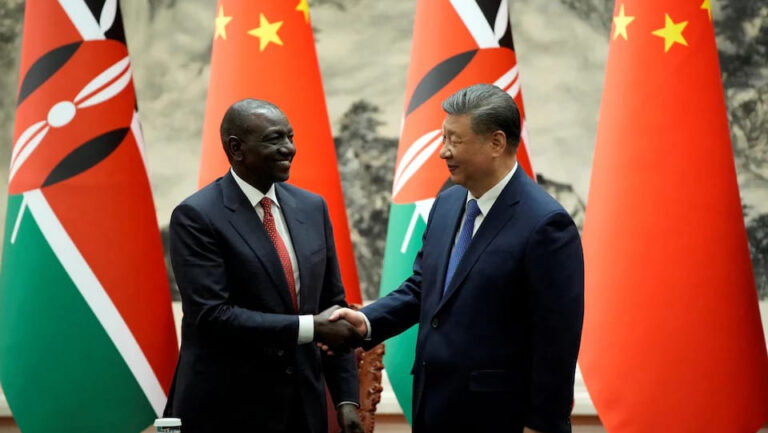
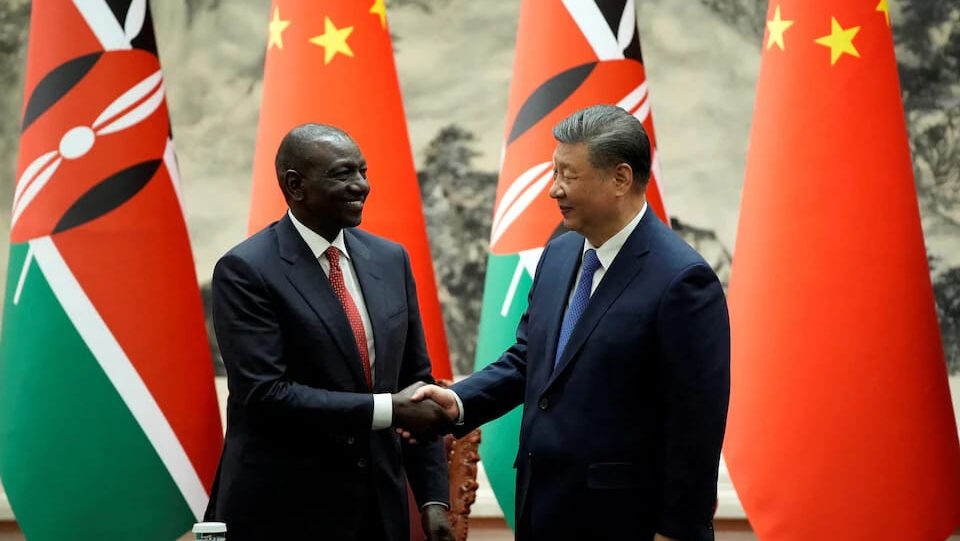
As the U.S. retreats, nations like China have already pledged hundreds of millions in additional voluntary contributions to fill the void, signaling a shift in who will set global health priorities moving forward.
Legal and Financial Disputes
The withdrawal remains legally contentious. Under U.S. law, a member state can only withdraw if it provides a one-year notice and settles all outstanding debts. While the notice period has passed, the U.S. still owes approximately $260 million in unpaid dues from the 2024 and 2025 fiscal years. The WHO Executive Board is scheduled to meet in February 2026 to discuss how to handle this unprecedented departure and the remaining debt.