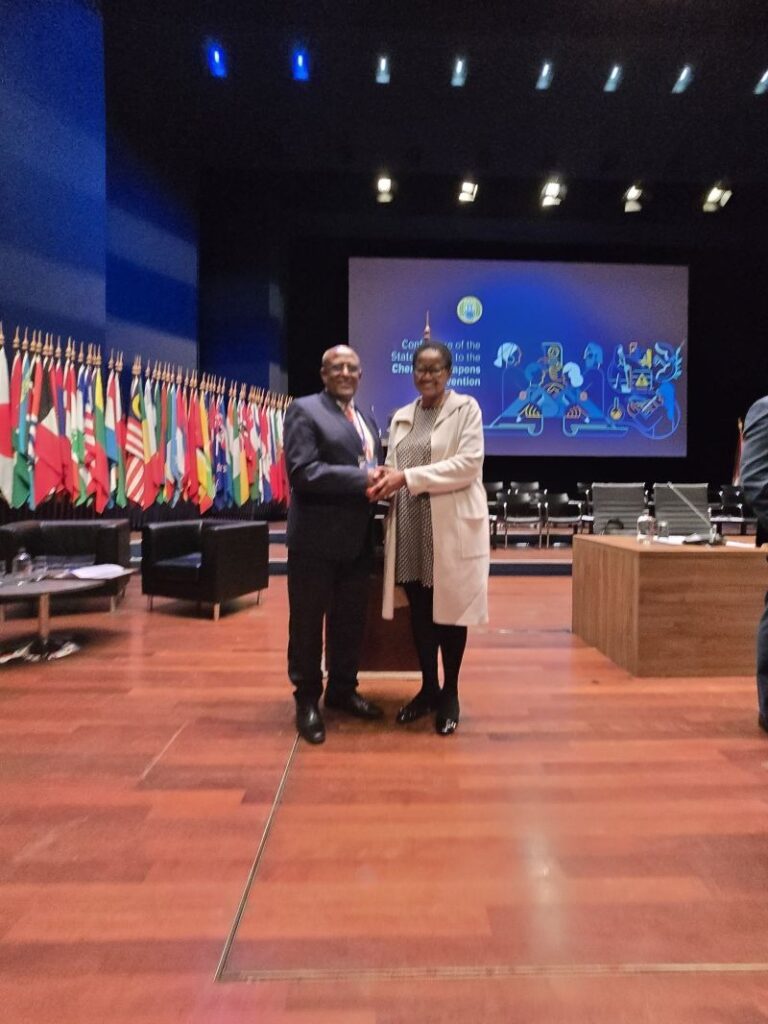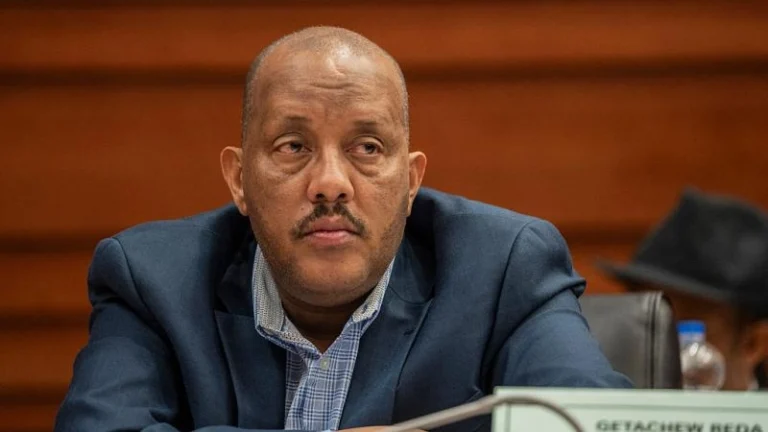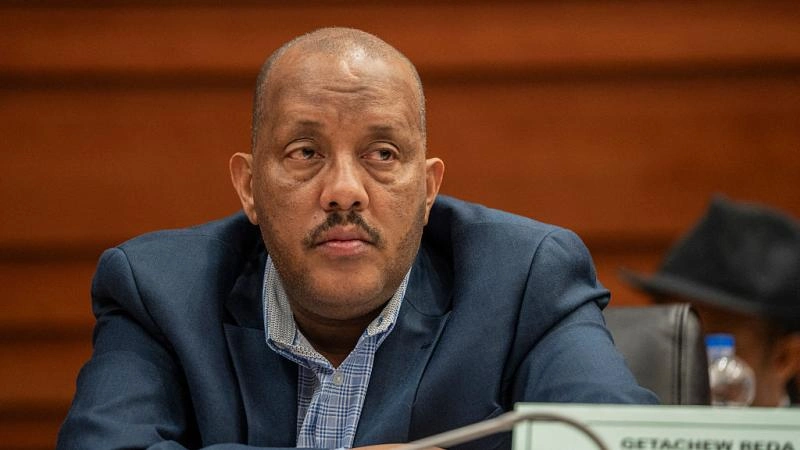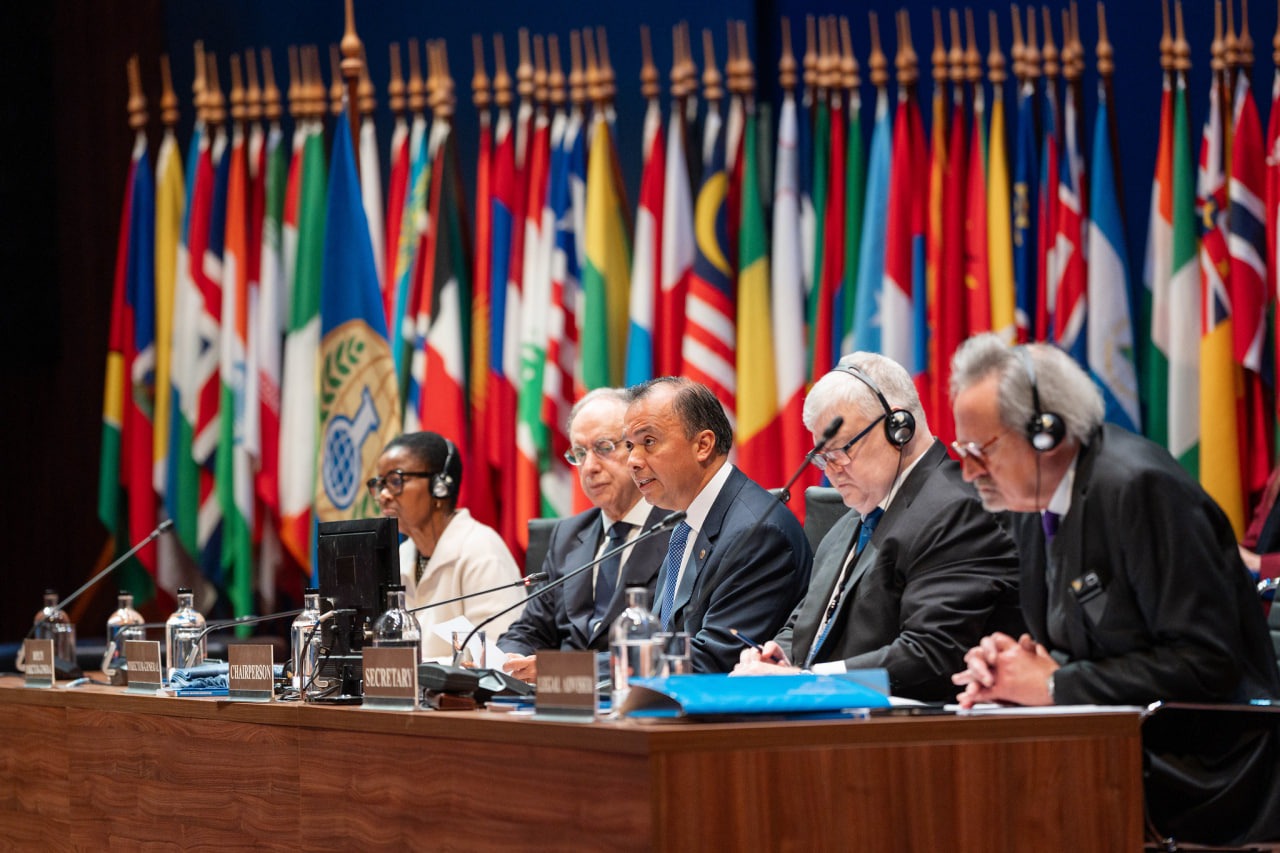
Ethiopia is participating in the 30th Session of the Conference of States Parties to the Chemical Weapons Convention, currently underway in The Hague, Netherlands. According to the Embassy of Ethiopia in Brussels, the delegation is led by H.E. Ambassador Eshete Tilahun, Permanent Representative of Ethiopia to the Organisation for the Prohibition of Chemical Weapons (OPCW), is actively engaging in discussions and proceedings at the 30th Session of the Conference of States Parties.
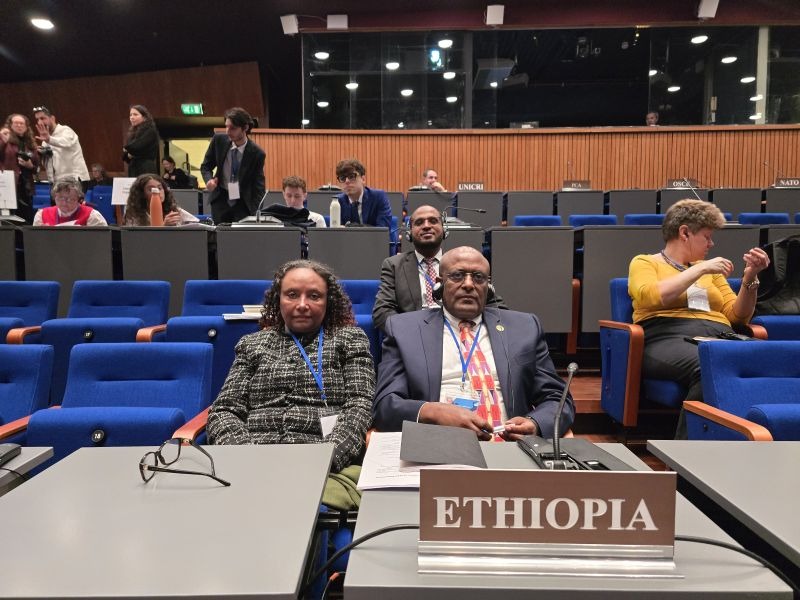
The Organisation for the Prohibition of Chemical Weapons (OPCW) is mandated to inspect and verify the non-peaceful use of chemical weapons and to oversee the destruction of chemical weapons stockpiles.
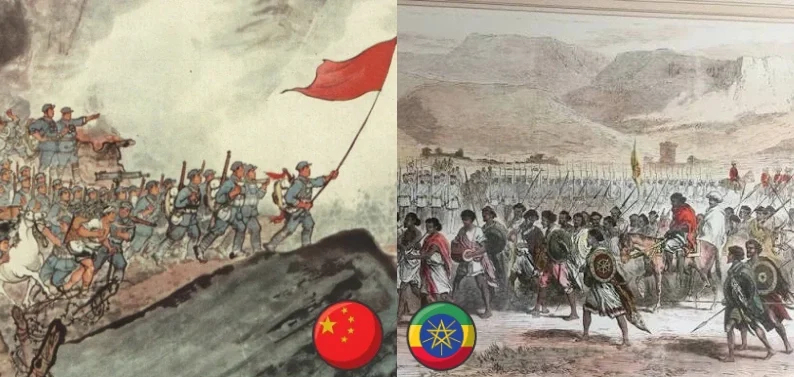
The OPCW was established in 1997, and Ethiopia, as a victim of chemical weapons attacks, is a founding member. Ethiopia’s involvement is linked with the 1935-36 Fascist Italy invasion, which employed chemical gas against Ethiopian soldiers and civilians. In a historic appeal to the League of Nations in June 1936, Emperor Haile Selassie I condemned Italy’s use of chemical weapons, calling on the international community to uphold the principles of law and human decency. Building on this legacy, Ethiopia maintains an active role in OPCW deliberations, participating in the ongoing meetings to strengthen global norms.
In his opening statement to the 30th Session of the Conference of the States Parties, the OPCW Director-General Fernando Arias, addressed the Parties, emphasizing that the meeting is taking place in a degraded international environment, with documented cases of chemical weapons use around the world. Despite the destruction of numerous stockpiles since July 2023, the Director-General stressed that the OPCW’s mission is far from complete. Syria was highlighted as a recent focus, illustrating the Secretariat’s ongoing engagement with chemical weapons destruction methods and technologies. The Secretariat says it is continuing to provide support in the field of assistance and protection, offering technical and operational help to Ukraine, and strengthening Palestine’s capacity to respond to toxic chemicals in Gaza.
The day two meeting is underway with agendas covering issues including Programme and Budget of the OPCW for 2026 and 2027, Election of Member States to membership in the Executive Council and organisation of work and establishment of subsidiary bodies.