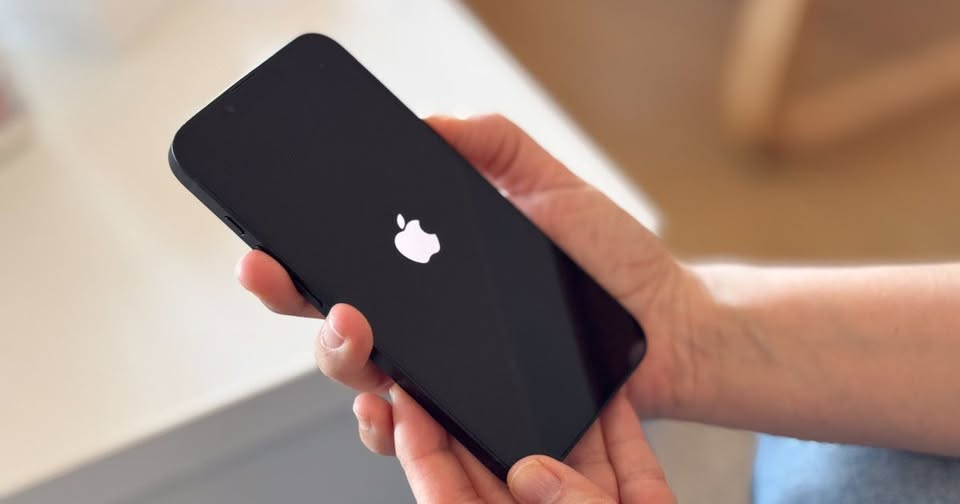
Apple has officially reclaimed its position at the top of the global smartphone hierarchy. According to a new report from Reuters, global smartphone shipments grew by 2% year-on-year in 2025, with Apple leading the charge by securing a 20% market share the largest among the top five global brands.
The surge was largely driven by robust demand for the iPhone 17 series and Apple’s aggressive expansion into emerging and mid-sized markets. This growth comes despite a volatile economic landscape and a shift in how manufacturers managed their supply chains throughout the year.
The Battle for the Top Spot
While Apple took the gold, the competition remained fierce:
Apple (20%): Leveraged the success of the iPhone 17 and high economic momentum in developing regions.
Samsung (19%): Ranked second, maintaining a strong presence but seeing only modest shipment growth compared to previous years.
Xiaomi (13%): Secured third place, bolstered by steady demand and brand loyalty in emerging markets.
Earlier in 2025, many manufacturers rushed shipments to stay ahead of potential tariffs. However, as the year progressed, this “pull-forward” effect eased, resulting in a more stable and organic volume of sales during the second half of the year.
A Challenging 2026 on the Horizon
Despite the celebrations, the industry is bracing for a “softening” in 2026. Experts warn that the smartphone market is heading toward a period of scarcity and rising prices.
The primary culprit? The AI Boom. Chipmakers are increasingly prioritizing massive AI data centers over consumer handsets. This shift, combined with general chip shortages and the rising cost of components, is expected to constrain supply and potentially drive up prices for the next generation of mobile devices.