Energy Revolution: China Launches Its First Large-Scale Green Hydrogen Project
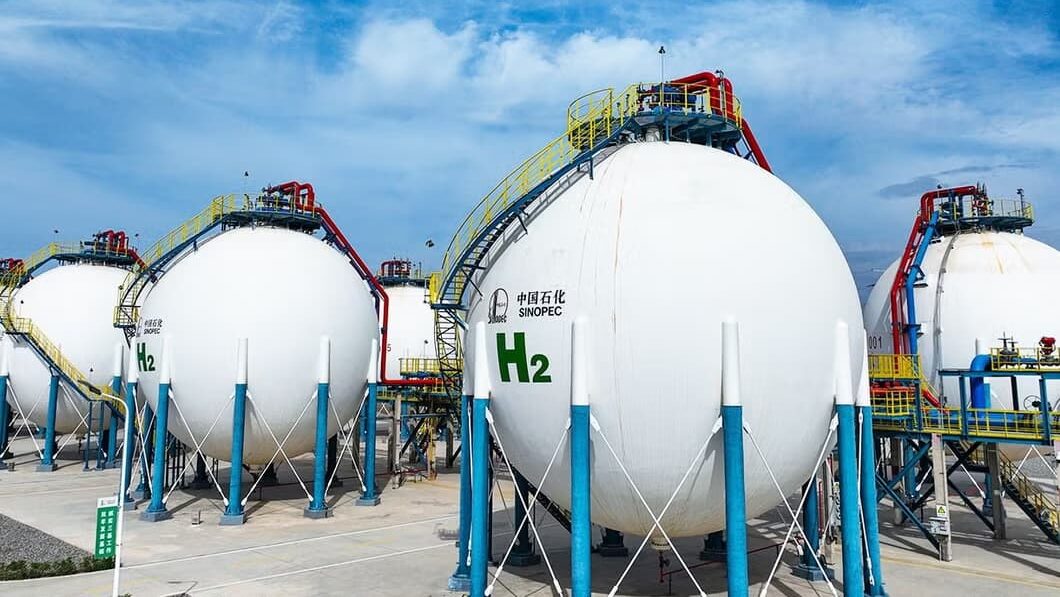
In a massive stride toward carbon neutrality, China has officially launched its first integrated large-scale green hydrogen production project. The facility, located in the Inner Mongolia Autonomous Region, marks a turning point in how the world’s second-largest economy powers its industrial sectors.
Industry experts suggest that this project is just the beginning. The Chinese government’s “Hydrogen Energy Industry Development Plan (2021-2035)” aims to have a fleet of 50,000 hydrogen-fueled vehicles on the road by the end of next year.
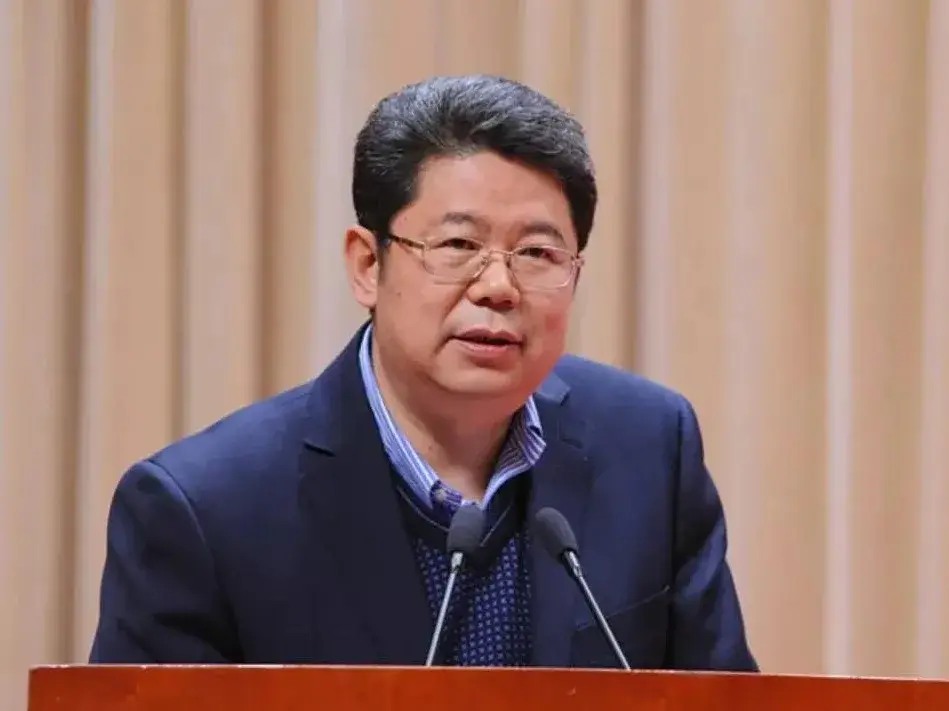
“This is a milestone for China’s green hydrogen industry,” says Ma Yongsheng, Chairman of Sinopec. “It provides a new path for refining and chemical industries to reduce carbon emissions by integrating renewable power directly into gas production.”
Ma Yongsheng, Chairman & President of Sinopec.
With the European Union and the United States also ramping up hydrogen subsidies, China’s move to operationalize a large-scale project puts it in a dominant position in the Hydrogen Race. For countries in the Horn of Africa looking to modernize their energy grids, the technological lessons from the Inner Mongolia project will be vital.
The plant is designed to produce over 30,000 tons of green hydrogen annually.
The project is expected to reduce carbon dioxide emissions by approximately 2 million tons per year, the equivalent of planting nearly 20 million trees.
It includes a dedicated 400-kilometer pipeline to transport the gas to industrial hubs, bypassing the logistical hurdles of traditional truck transport.
What is Green Hydrogen?
Unlike grey hydrogen, which is produced from fossil fuels, this new project utilizes Green Hydrogen technology. It uses massive wind and solar farms to power electrolyzers that split water into hydrogen and oxygen.
3D Isometric Flat Vector Conceptual Illustration of Hydrogen Fuel Cells
China’s successful deployment of this technology offers a blueprint for African nations like Namibia, Mauritania, and Egypt, which are currently developing their own green hydrogen corridors. The drop in cost for Chinese-made electrolyzers is expected to make green energy more accessible for the Global South.