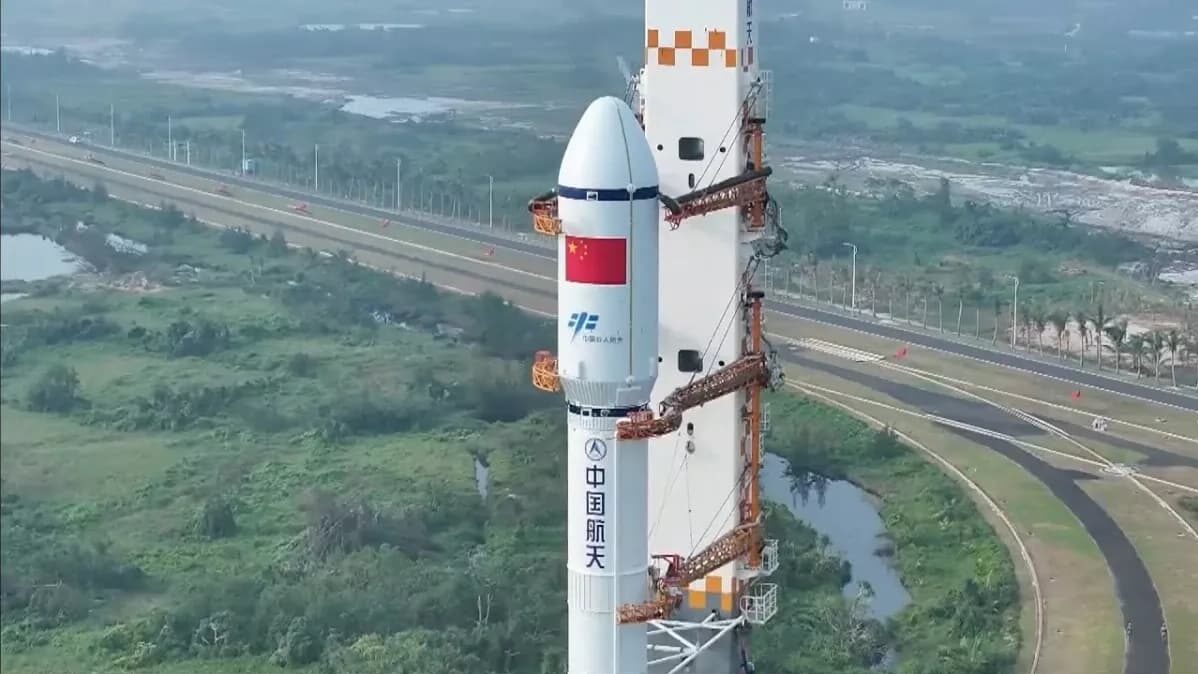
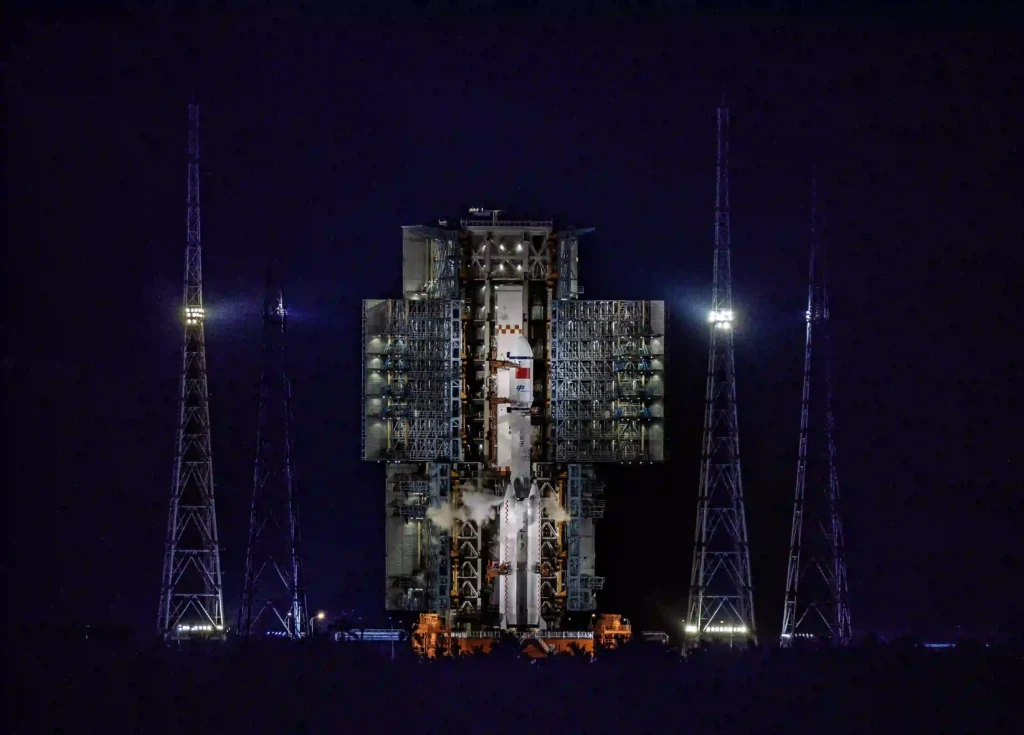
China has reached a critical milestone in its 2026 space schedule as the Tianzhou-10 cargo spacecraft was successfully transferred vertically to its launch site in Hainan Province today, May 8, 2026.
The spacecraft, coupled with a Long March-7 Y11 carrier rocket, was transported to the launch pad at the Wenchang Spacecraft Launch Site. This “vertical transfer” signifies the final stage of technical preparations before the vessel departs for the Tiangong space station.
The Mission Objective
Tianzhou-10 serves as the 9th resupply mission to China’s orbital station. It is tasked with delivering essential supplies to maintain the station’s continuous operation, including:
Crew Necessities, Food, water, and daily supplies for the taikonauts.
Technical Hardware: Maintenance spare parts and propellant for station maneuvering.
Scientific Research: New Extravehicular Activity (EVA) suits and experimental samples for various applied-science projects.
Once docked at the rear port of the core module, Tianzhou-10 will act as a floating warehouse. Upon completion of its mission, it will deorbit and safely burn up in the Earth’s atmosphere, disposing of waste collected from the station.
Symbolism of the Mission Logo
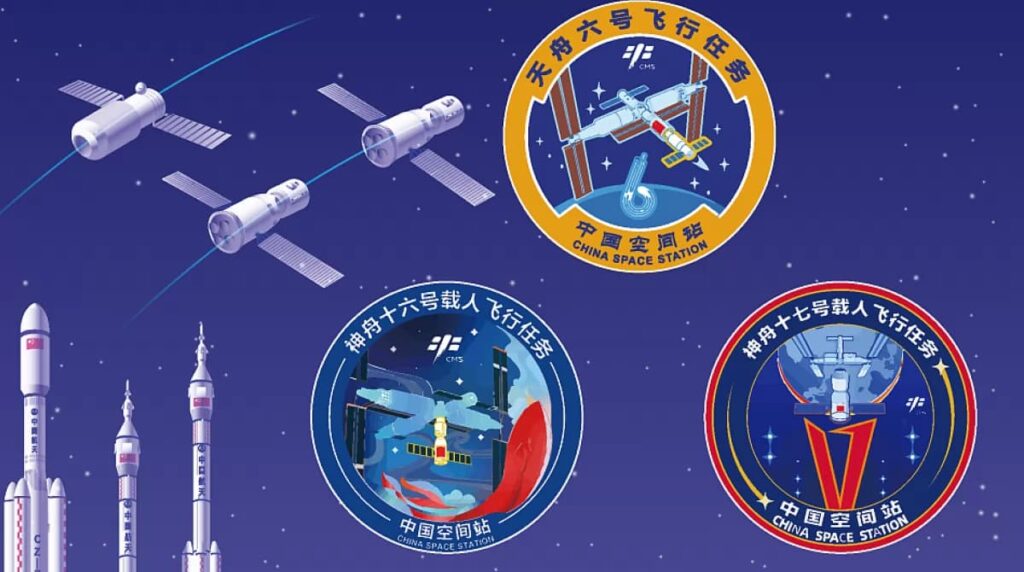
Earlier in April, the China Manned Space Agency (CMSA) unveiled the official mission logo. Set against a deep cosmos-blue background, the design features the spacecraft on a golden trajectory toward the Tiangong station.
The logo incorporates a stylized numeral “10” integrated with the CMSA emblem. According to officials, the circular shape symbolizes the harmony between Earth and space, while the gradient from gold to red represents the courage and dedication of the aerospace professionals involved in the project.
China’s Ambitious 2026 Space Agenda
Tianzhou-10 is one of three major flight missions planned for the Tiangong space station this year. China also plans to launch two crewed missions in 2026. Notably, crew members from the Hong Kong and Macao Special Administrative Regions are expected to join flight missions as early as this year, marking a more inclusive era for China’s manned space program.
Source: CGTN