APEC 2026: Why China’s Shenzhen Summit Matters for Africa
As China prepares to host the 33rd APEC Economic Leaders’ Meeting, African economists see opportunities for stronger trade, investment, industrialisation and technological cooperation, highlighting the importance of deeper economic ties between Africa and the Asia-Pacific region.
ADDIS ABABA, November 15, 2026 – While Africa is not directly represented in the Asia-Pacific Economic Cooperation (APEC) forum, the outcomes of its upcoming leaders’ meeting in Shenzhen, China, could carry significant implications for the continent’s economic development.
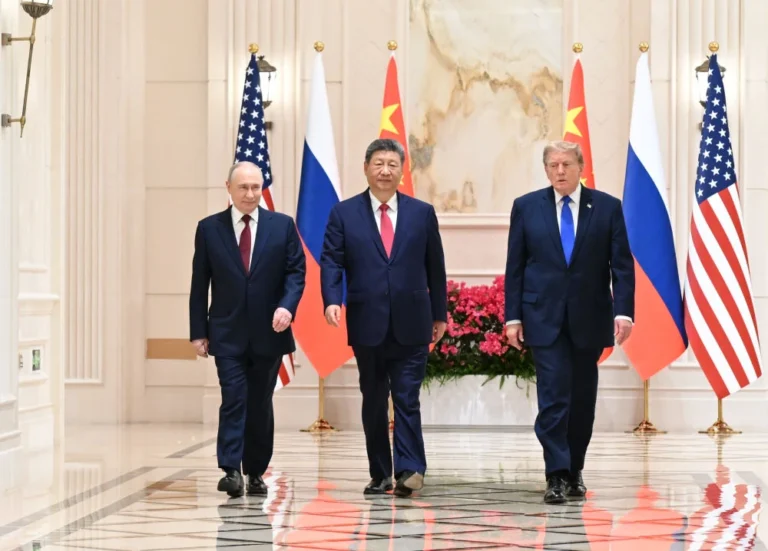
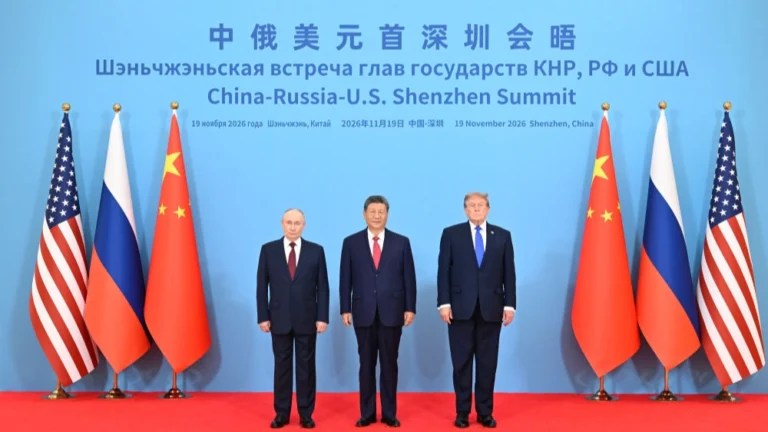
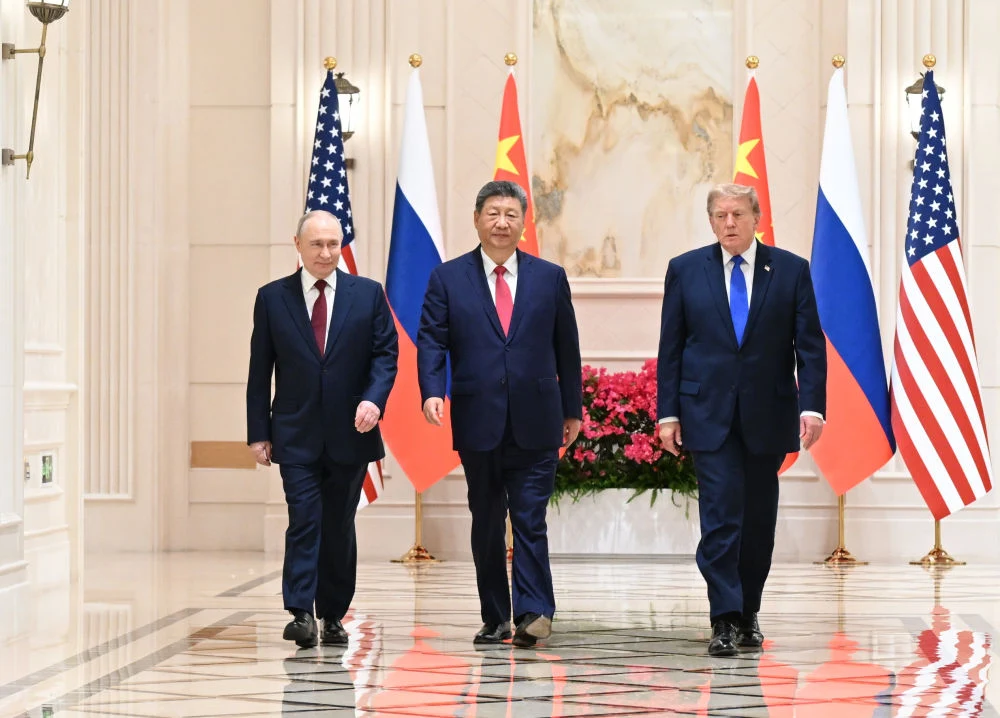
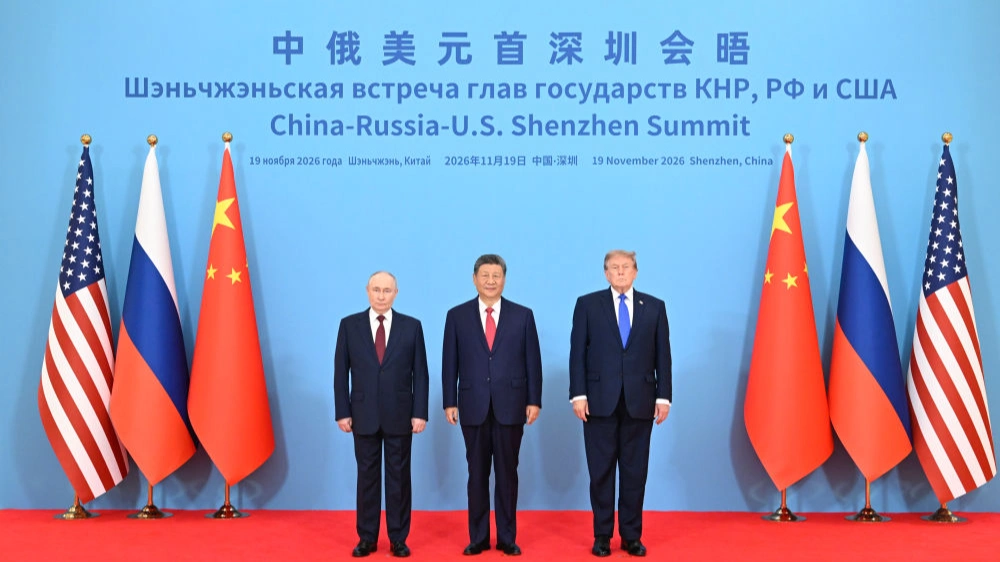
The 33rd APEC Economic Leaders’ Meeting, scheduled for November 18–19, will bring together leaders from 21 Asia-Pacific economies representing approximately 60 percent of global GDP and nearly half of international trade.
For African countries seeking to expand exports, attract investment, strengthen industrial capacity and accelerate digital transformation, developments in this economically influential region present important opportunities.
China, hosting the forum for the third time following the meetings in Shanghai in 2001 and Beijing in 2014, has placed the theme “Building an Asia-Pacific Community to Prosper Together” at the centre of its 2026 host year.
The agenda focuses on three priorities: openness, innovation and cooperation, reflecting China’s commitment to strengthening regional economic integration and promoting shared development.
The meeting also coincides with the 20th anniversary of the Free Trade Area of the Asia-Pacific (FTAAP) initiative, which seeks to advance deeper economic integration across the region.
For Fisum Girma, an economic expert, the significance of the Shenzhen meeting extends well beyond the Asia-Pacific.
“Because the APEC economies meeting in Shenzhen account for about 60 percent of global output and nearly half of world trade, what they decide will shape Africa’s trade and investment,” he says.

China’s leadership and the importance of economic cooperation
At a time of changing global economic conditions, China’s role as host provides an important platform for dialogue among major economies on trade, investment, regional connectivity and economic resilience.
The emphasis on openness and cooperation reflects the importance of maintaining economic engagement and strengthening supply chains in an increasingly interconnected world.
Fisum says predictability and continued dialogue are particularly important for developing economies, including those in Africa, whose exports and import costs are closely linked to developments in international markets.
“In periods of uncertainty, predictability is the most valued thing. So, China or any host that keeps the focus on dialogue, creating open markets and enabling reliable supply chains helps reduce uncertainty,” he explains.
He adds that Asia-Pacific demand has a direct influence on African commodity markets and the cost of imported goods, making stronger economic coordination beneficial to the continent.
China’s growing engagement with Africa also provides an important foundation for expanding these opportunities.
China-Africa trade reached a record 348 billion US dollars in 2025, according to China’s General Administration of Customs, further demonstrating the growing importance of economic relations between the two sides.
In another significant development, China began implementing zero-tariff treatment for imports from all 53 African countries with which it maintains diplomatic relations on May 1, 2026.
The initiative expands opportunities for African agricultural products, manufactured goods and other exports to access the Chinese market.
Fisum describes the policy as an important step towards strengthening trade relations and creating new opportunities for African producers.
He says the next stage should focus on connecting Africa’s productive capacity more closely with China’s international sourcing networks, enabling African businesses to participate more actively in global trade.
From market access to industrialization and job creation
Beyond expanding trade, one of the most important questions for African economies is how to translate stronger economic partnerships into industrial development, employment and greater local value addition.
The continent has considerable opportunities to deepen its economic engagement with the Asia-Pacific region through manufacturing, agricultural processing, infrastructure development and participation in international supply chains.
Professor Alemayhu Geda, a specialist in macroeconomics and international economics, believes closer cooperation between Africa and Asia-Pacific economies could support this transformation, provided African countries strengthen their domestic industrial strategies.
He highlights the importance of encouraging investment that connects local businesses with international production networks and creates opportunities for African industries to move further up the value chain.
“In theory, integrating the Asia-Pacific and African supply chains offers major trade opportunities,” Geda says.
He emphasises the need for policies that encourage local sourcing, strengthen domestic suppliers and promote technology transfer so that investment generates wider economic benefits.
Fisum also identifies infrastructure connectivity as a key driver of this process.
He points to transport networks, industrial corridors and skills development as areas where cooperation can help reduce trade costs, improve market access and stimulate economic activity.
The modernisation of the Tanzania-Zambia Railway (TAZARA), a nearly 1,900-kilometre railway connecting Zambia’s Copperbelt region with Tanzania’s coast, illustrates the potential of regional infrastructure to support trade and economic integration.
“Fundamentally cooperation delivers when it builds productive capacity of the parties involved,” Fisum says.
He adds that stronger transport connectivity, local sourcing and industrial development can help ensure that infrastructure investments contribute to employment and economic growth beyond the movement of goods.

Innovation and artificial intelligence: New opportunities for Africa
Innovation and artificial intelligence are also expected to feature prominently in the Shenzhen discussions, as digital technologies increasingly shape global productivity, trade and competitiveness.
For Africa, cooperation in these areas could open new pathways for economic transformation.
The continent has already demonstrated its capacity to adopt digital technologies, particularly in mobile financial services, telecommunications and digital platforms.
However, the next phase of development will require greater investment in digital infrastructure, reliable electricity, computing capacity, data centres and specialised skills.
Fisum points to the disparity between Africa’s population and its digital infrastructure as an indication of the opportunity ahead.
Although Africa is home to around 18 percent of the world’s population, he says, it accounts for only approximately 0.6 percent of global data-centre capacity.
He believes cooperation with China and other partners in the Global South can help address this gap through affordable digital infrastructure, technical training and the development of artificial intelligence applications suited to African needs.
Agriculture, healthcare, education and public services are among the sectors where such technologies could deliver significant benefits.
“South-South cooperation can help most with affordable and yet reliable digital infrastructure, power, training, and AI tools built for African needs like farming, health and AI tools adopting local languages and contents with goals of African cooperation and data governance protocols,” he says.
Geda similarly highlights the importance of technology partnerships that combine infrastructure development with skills transfer and local capacity building.
He says cooperation in telecommunications, artificial intelligence and digital services can create opportunities for African engineers, technology companies and young professionals to participate more actively in the digital economy.
For him, the priority is to ensure that technology partnerships contribute not only to improved connectivity but also to developing local expertise and innovation.
Strengthening the voice of the Global South
The Shenzhen meeting also comes amid growing calls for a more inclusive international economic system in which developing countries have greater opportunities to participate in global decision-making.
China’s expanding economic engagement with Africa and other developing regions has created additional opportunities for investment, infrastructure financing, technology cooperation and market access.
Geda says China’s growing role in international economic affairs has contributed to a more multipolar global economic environment, giving developing countries additional opportunities to diversify their economic partnerships.
He believes African countries can benefit from this changing landscape by strengthening their institutions, technical expertise and collective negotiating capacity.
“China’s focus on the Global South is welcome, and probably the best measure is its track records in outcomes such as access to finance, technology and markets besides China’s push for reform of global financial architecture,” says Fisum.
He adds that Africa should continue engaging with China, the Asia-Pacific region, Europe and other international partners to broaden its economic opportunities and strengthen its position in global trade.
Geda also emphasises the importance of African countries approaching international partnerships with clear development priorities, ensuring that cooperation contributes to long-term economic transformation.
Positioning Africa for the opportunities ahead
As leaders prepare to meet in Shenzhen, the discussions on openness, innovation and cooperation resonate with many of Africa’s own development priorities.
From expanding market access and strengthening regional connectivity to developing manufacturing industries and embracing artificial intelligence, the opportunities for closer engagement between Africa and the Asia-Pacific region are considerable.
For China and African countries, stronger economic cooperation can also build on the existing foundation of trade, investment and South-South partnerships.
The challenge and opportunity for Africa will be to translate these expanding relationships into greater productive capacity, diversified exports, technological advancement and sustainable employment.
While the decisions taken in Shenzhen will primarily shape the Asia-Pacific region, their wider economic implications make the meeting relevant to countries well beyond its membership.
For Africa, APEC 2026 is therefore more than a regional economic gathering. It is an opportunity to identify new areas of partnership, strengthen international economic connections and position the continent to participate more actively in an increasingly interconnected global economy.