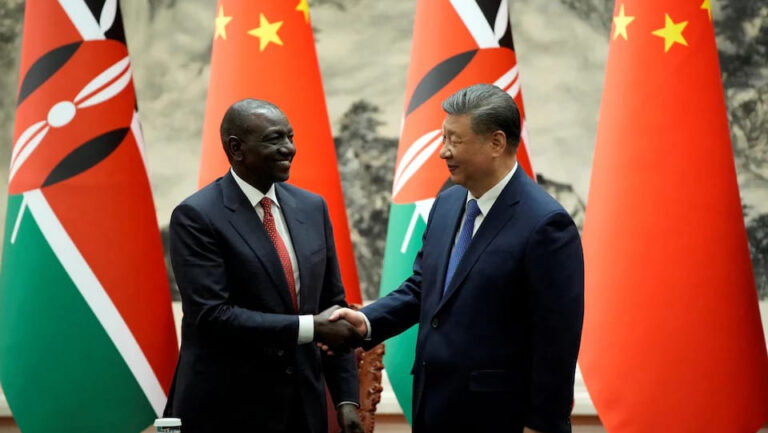
In its recently approved five-year development plan, the Chinese government introduced a zero-tariff policy for 54 African countries. The policy will take effect on May 1, 2026.
This comes after the United States canceled or suspended the African Growth and Opportunity Act (AGOA) benefits for many countries, which previously allowed duty-free access for goods exported to U.S. markets.
As of 2025, 17 Sub-Saharan countries, including Ethiopia, became ineligible for AGOA preference benefits. While 32 countries currently retain their eligibility, others have been suspended or removed due to factors such as human rights violations, military coups, or reaching high-income status.

China as a “Friend in Need”
China’s introduction of an AGOA-like zero-tariff policy for all African countries is particularly important for nations that were delisted from AGOA. As the U.S. increasingly removed countries from the program, China has stepped in as a “friend in need” for African countries seeking viable market opportunities after losing access to AGOA.
Through the zero-tariff policy, African countries can export goods including horticultural products to the vast Chinese market, effectively replacing their share of the U.S. market.
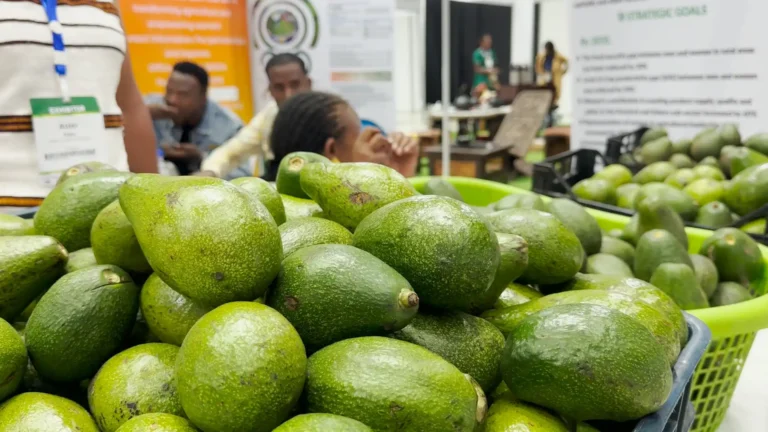
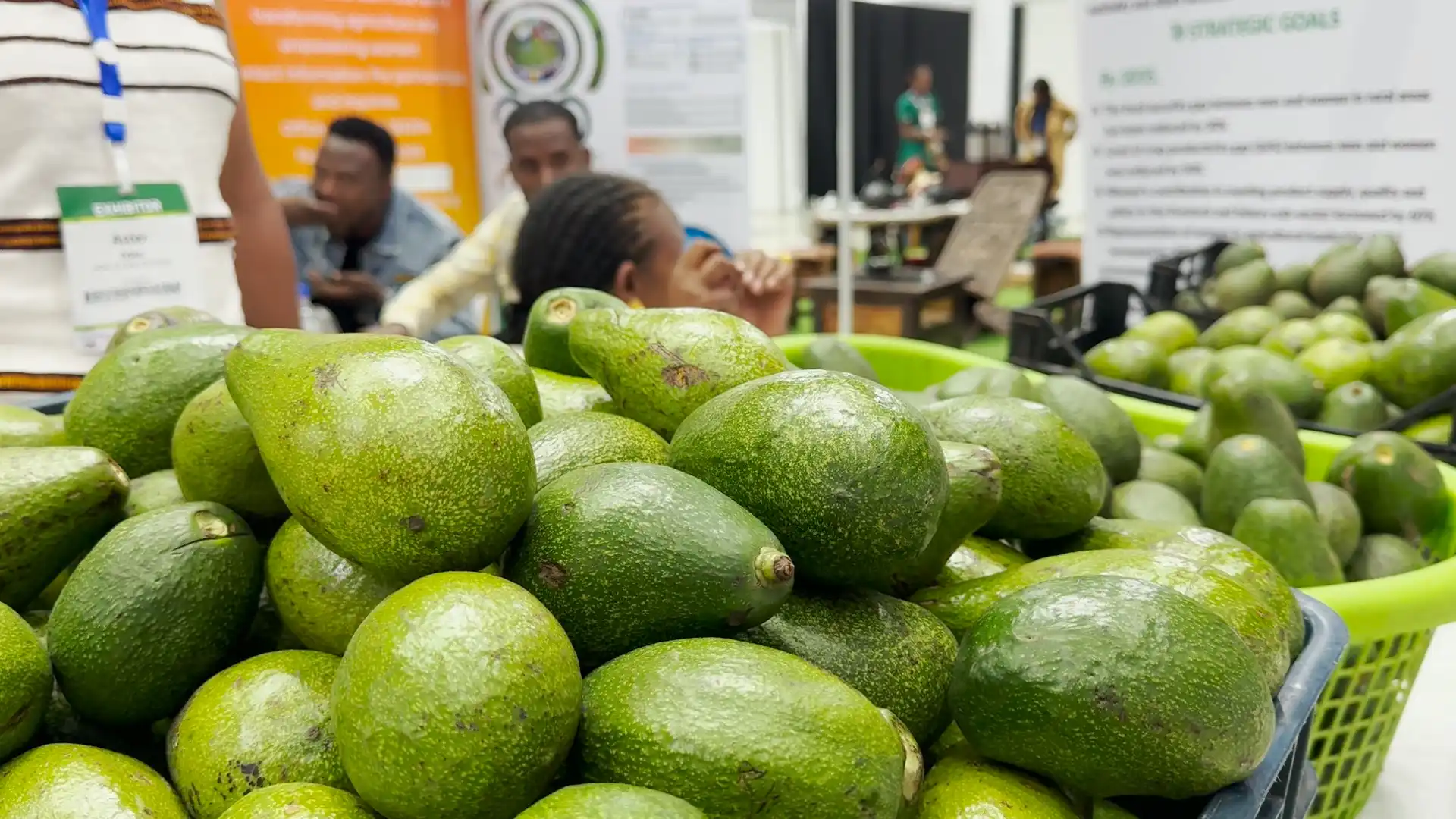
Ethiopia is among the 54 countries aiming to benefit from the zero-tariff advantage. At a horticulture expo held from March 24–26, 2026, in Addis Ababa, Ethiopian producers demonstrated their commitment to accessing the Chinese market with products such as flowers, fruits, and vegetables.

Deputy Director Dr. Wondeale Habitamu of the Ethiopian Agriculture Authority told AfroInsight that Ethiopia aims to seize the opportunity created by China’s zero-tariff policy, particularly in the horticulture sector.
According to him, boosting the production capacity of the country’s horticulture sector is essential to fully benefit from this opportunity.
“For example, this year, in 2026, we signed an agreement a protocol with China serving as a gateway to export a large volume of horticultural products to its market, in collaboration with the Ministry of Agriculture. Ethiopia will be one of the African countries to benefit from this market. We are getting ready for that.”

Dr. Wondeale emphasized that China’s market is both “huge” and “strong,” underscoring the importance of accessing it.
“When you consider the Chinese market, first, it is vast. Second, the returns are also very strong. In this regard, the Ethiopian government and the horticulture sector are going to gain maximum benefit from the People’s Republic of China.”
For business leaders, China’s zero-tariff policy introduced after they lost access to the U.S. market under AGOA helps fill the gap.
Adane Amelo, Manager of the Sidama Region Cooperative Union, told Addis Insight that access to China’s zero-tariff market “would significantly benefit our farmers and strengthen the overall economy.”
“Farmers are optimistic, and we are confident that we will expand our agricultural exports to China and successfully benefit from a strong market.”

Africa exports approximately 120 billion dollar worth of goods each year, making China one of the largest market for African exports. This would likely boosted by the now introduced zero tariff scheme.
The zero-tariff policy would further strengthen China-Africa economic and political partnerships to an unprecedented level.