The northeastern shores of Madagascar are reeling from the catastrophic impact of Cyclone Gezani, which made landfall late Wednesday night. Categorized as a Category 4 Tropical Cyclone, Gezani slammed into the Sava region with sustained winds of 210 km/h and gusts exceeding 250 km/h, leaving a trail of leveled infrastructure and flooded communities.
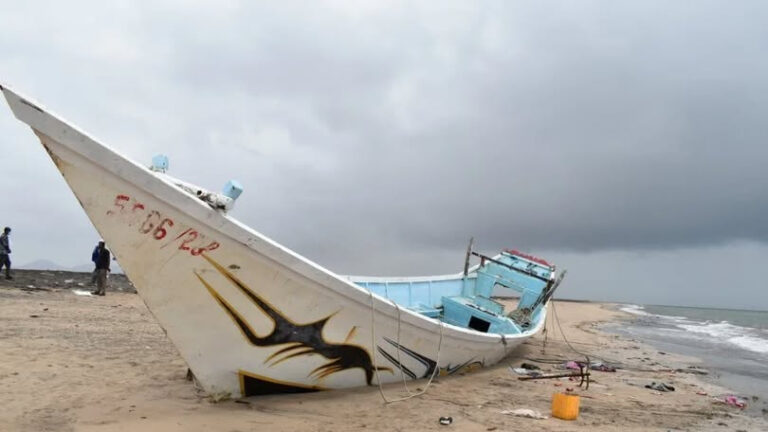
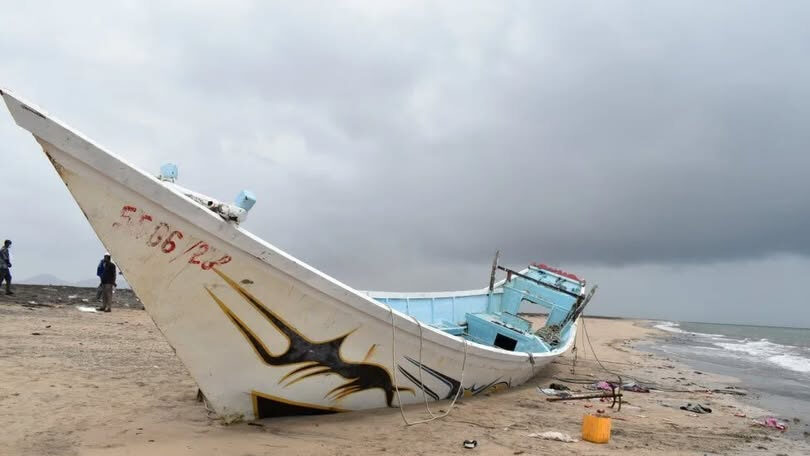
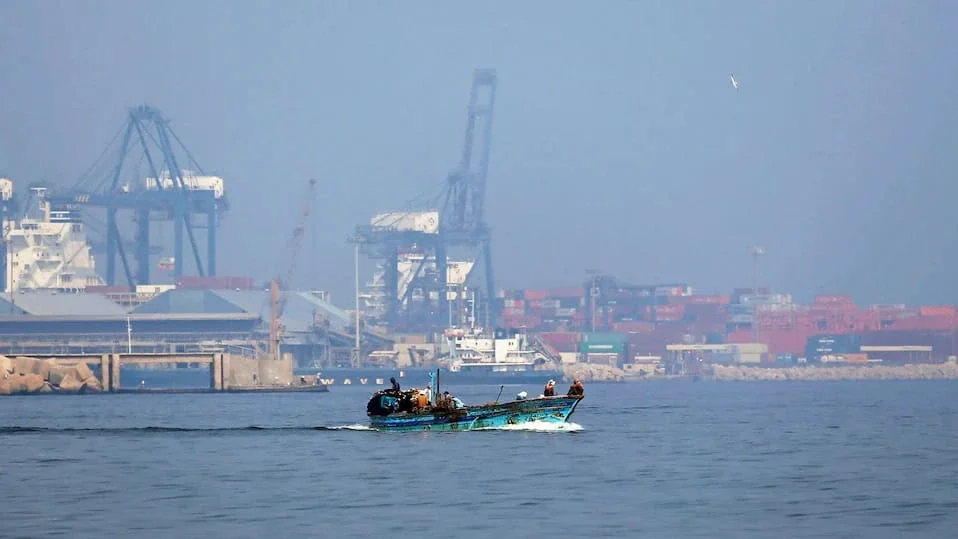
Landfall occurred near the city of Antalaha, the global hub of vanilla production. The storm’s arrival was heralded by a massive storm surge that inundated coastal villages, sweeping away traditional wooden homes and destroying fishing fleets.

Early reports from the National Office for Risk and Disaster Management (BNGRC) indicate that over 45,000 people have been displaced, with many seeking refuge in schools and government buildings.
At least 14 deaths have been confirmed, though authorities fear this number will rise as communication lines to remote interior villages are restored.
The main bridge connecting Sambava and Antalaha has collapsed, severing a critical artery for aid and commerce.

Gezani’s timing could not be worse for the local economy. The storm carved a path directly through Madagascar’s “Vanilla Triangle.” Experts estimate that nearly 40% of the standing crop has been damaged by high winds and torrential rain. This loss is expected to trigger a sharp spike in global vanilla prices, potentially destabilizing the livelihoods of thousands of smallholder farmers who depend on the spice for their survival.
Humanitarian Response
Rescue operations are currently underway, though hampered by downed trees and washed-out roads. The Madagascar Red Cross has deployed emergency teams to distribute clean water and hygiene kits to prevent the outbreak of waterborne diseases.
“The scale of the destruction is heartbreaking,” said a BNGRC spokesperson. “Our priority is reaching the isolated communities in the Marojejy mountain range where landslides are a major threat.”