The global fight against HIV/AIDS faces a potential setback next year as dwindling funds and political pushback against human rights threaten to drive up new infections, the head of the UN’s AIDS agency cautioned on Tuesday—just as eradication is within reach.
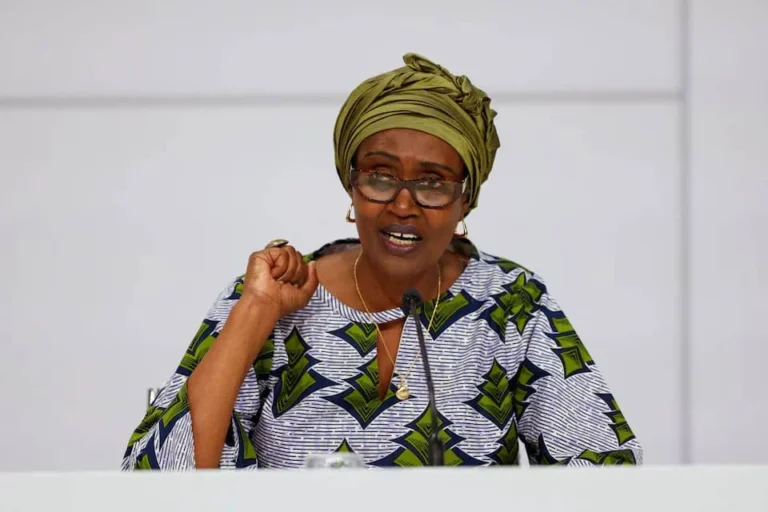
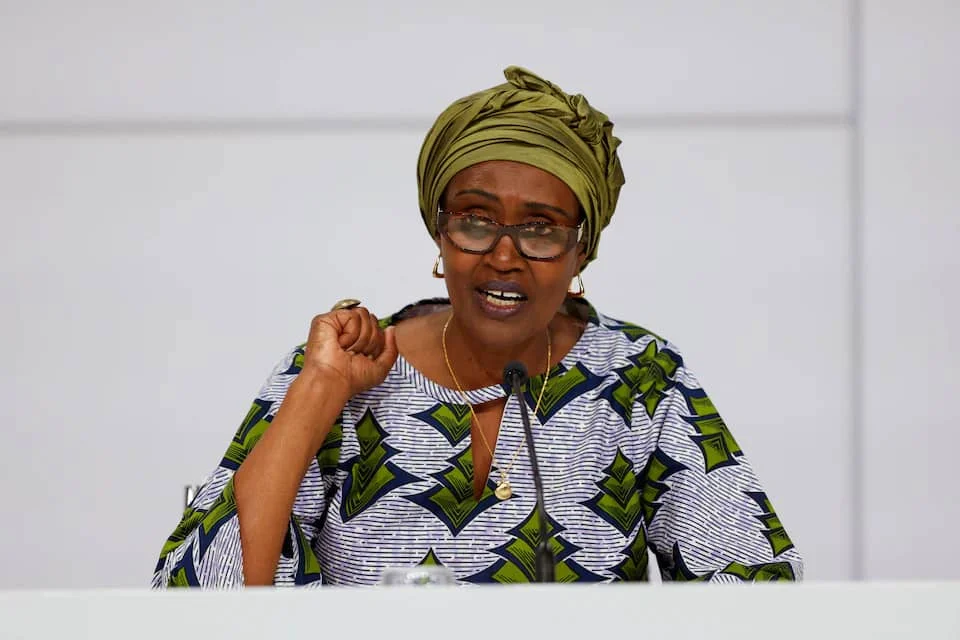
“We are on the cusp of ending AIDS – this has been the greatest story of global health – and just when we should finish it, cuts and the rolling back of human rights is threatening to take away our gains,” Winnie Byanyima, executive director of UNAIDS, told Reuters.
While the official figures have not yet reflected a surge, Byanyima warned that early indicators point to a reversal that will likely appear in 2027 data. Her warning comes alongside new UNAIDS figures released Tuesday showing that annual infections fell to an all-time low of 1.2 million last year—a steep decline from the 1994 peak of 3.5 million, achieved despite a nearly 20% drop in international funding.
According to Byanyima, who is from Uganda, the fallout from reduced funding will soon become visible in infection rates as struggling nations fail to bridge the financial gap, forcing prevention clinics to close and staff to be laid off. She noted that new cases are already climbing in parts of South America. Beyond financial constraints, she identified a growing global political backlash against LGBTQ rights and women’s access to sexual and reproductive healthcare as a “serious threat” to progress.
The warning arrives at a turbulent moment for the 30-year-old agency, which is working toward a UN goal of ending HIV/AIDS as a public health threat by 2030.
Broader restructuring pressures within the UN have already forced UNAIDS to lay off half its workforce and halt operations in roughly 30 countries, though its board rejected a proposal last month to dissolve the agency entirely.
“It will (now) be a more gradual shift to a smaller size. The core work will remain,” said Byanyima, who is set to step down in December to focus on broader activism, including global inequality.