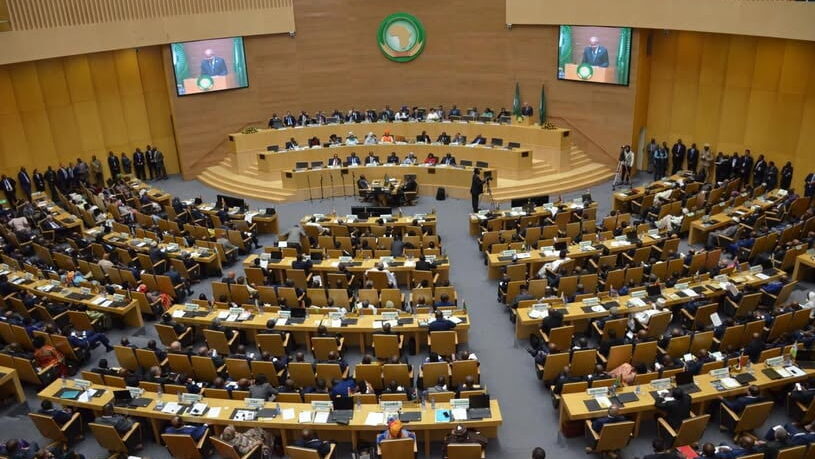
As African leaders prepare for the February 2026 African Union Summit in Addis Ababa, a set of forward-leaning agendas signals a continent increasingly focused on representation, connectivity, and structural reform.
Correcting the Map of Africa
Proposed by Djibouti and Togo
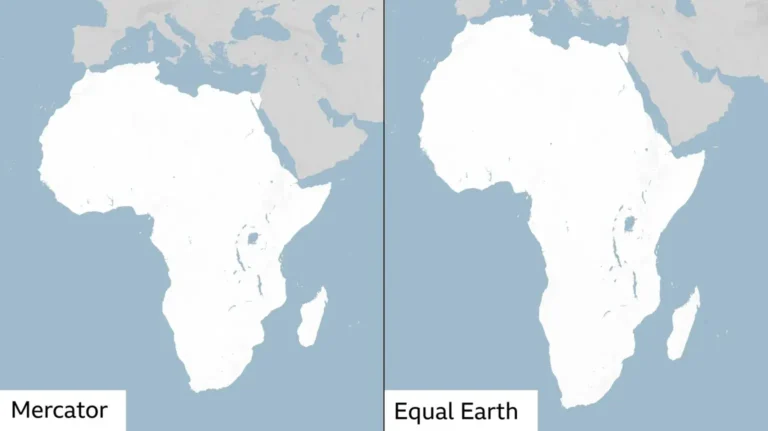
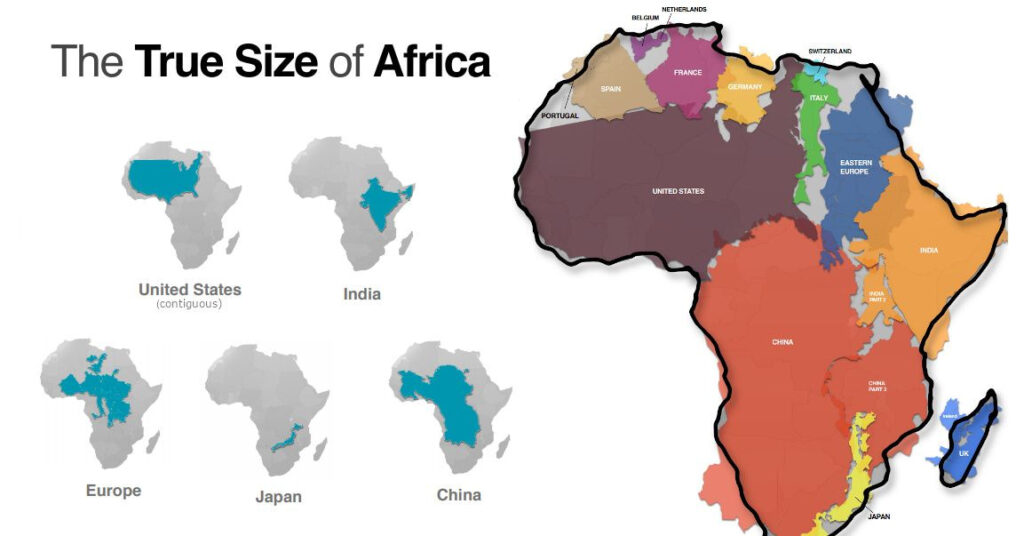
One of the more striking, yet deeply symbolic, agenda items is a proposal to address the continued global use of distorted world maps, particularly the Mercator projection, which visually shrinks Africa while enlarging Europe, North America, and even Greenland.
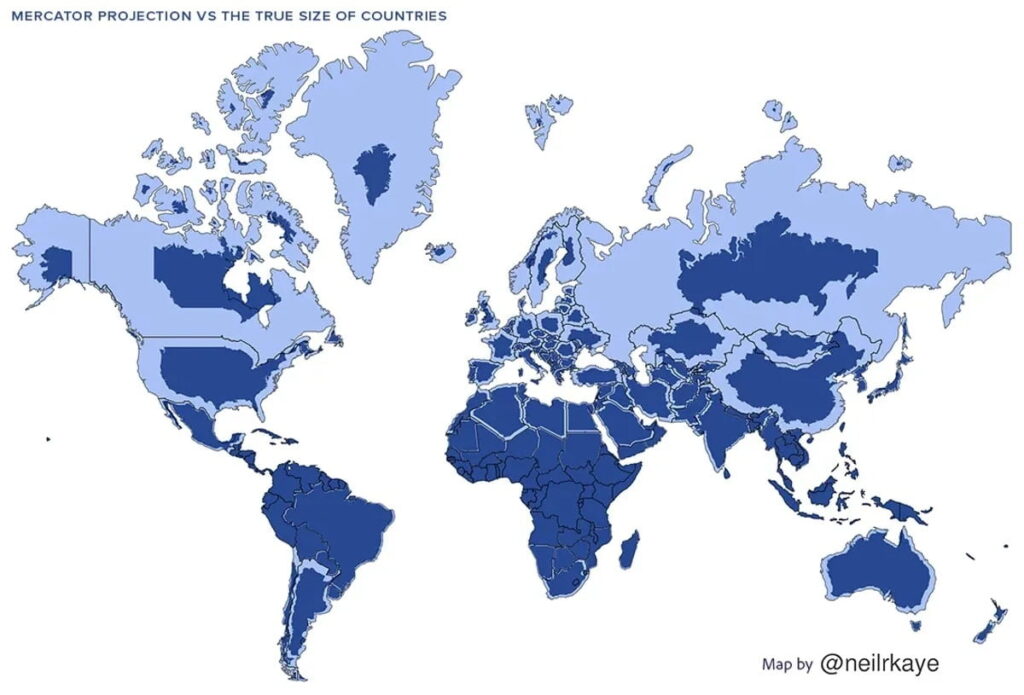
While often dismissed as a technical or educational detail, proponents argue that map distortion has real ramifications. It falsely portrays Africa and South America as smaller than they are, subtly shaping perceptions in classrooms, media, and policy spaces worldwide.
The proposal for a new map with correct representation, calls for reforms in school curricula, media standards, and institutional use of maps to ensure Africa is represented at its true scale.
Campaigners of the equal world projection, note that correcting the representational milieu is not cosmetic, it is foundational. For a continent of over 1.4 billion people, with the world’s fastest-growing youth population and a central role in the next wave of technological and economic transformation, visibility and correct representation matters.
The agenda reflects a broader AU ambition: reclaiming Africa’s rightful place on the global stage, beginning with how the world quite literally sees the continent and how African children see themselves.
Open Skies: Accelerating SAATM Proposed by Ethiopia
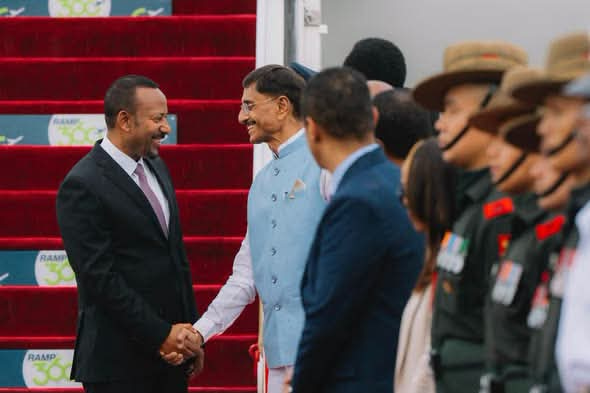
Ethiopia has put forward a renewed push to fast-track the Single African Air Transport Market (SAATM), aiming to link every African city through liberalized air travel. Much like the African Continental Free Trade Area (AfCFTA), the initiative is designed to dismantle internal barriers, this time in the skies, boosting trade, tourism, mobility, and regional integration.
Backers argue that without seamless air connectivity, Africa’s economic integration will remain grounded, regardless of progress on paper.
A Unified Vision for Radical Change
Beyond these flagship proposals, the summit will tackle critical issues including institutional reform, climate resilience, and youth empowerment. Together, these agendas signal a continent no longer content with being a bystander in global affairs. From how it is drawn on a map to how its planes navigate the skies, Africa is positioning itself for leadership in a rapidly shifting global order.