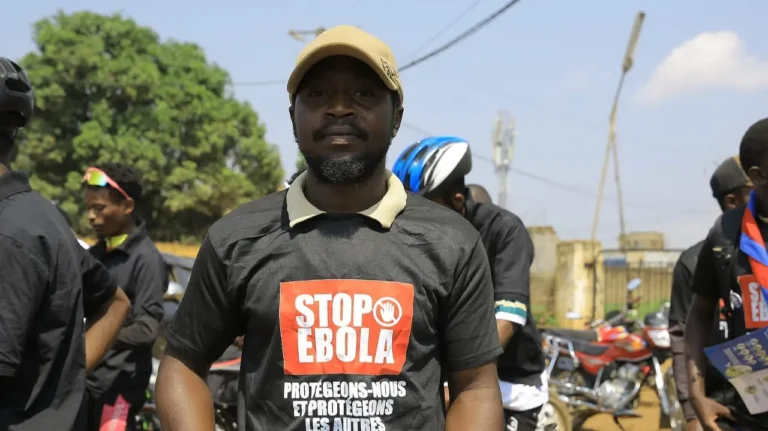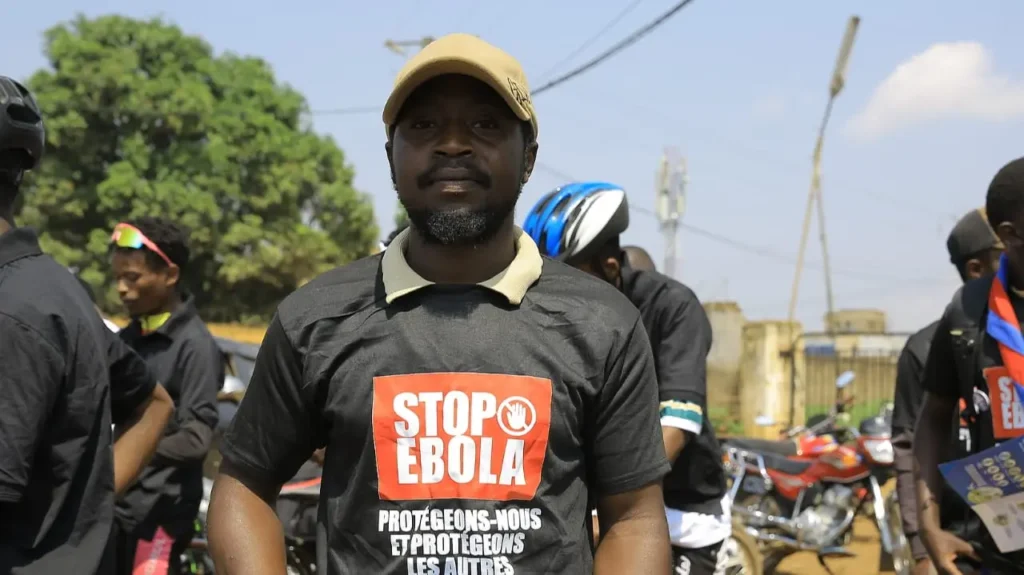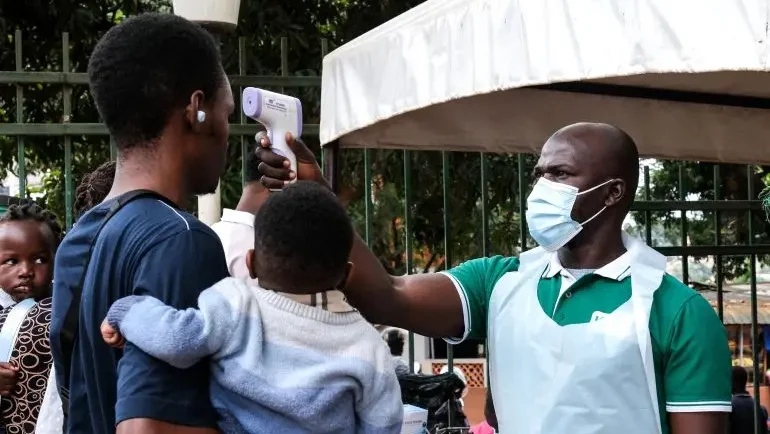
The latest Ebola outbreak in the DRC has claimed at least 80 lives, prompting health workers to intensify screening and contact tracing efforts to contain the disease.
According to the country’s Health Ministry, nearly 250 suspected cases have been recorded in eastern DRC, with one reported death in neighboring Uganda. This has raised concerns that the disease could spread to neighboring countries. “This strain has no vaccine and no specific treatment,” the ministry said, putting the fatality rate at 50 percent.
The World Health Organization (WHO) on Sunday declared the outbreak a global public health emergency.
The outbreak, the country’s seventeenth, was confirmed on Friday in the northeastern province of Ituri, which borders Uganda and South Sudan. At the time, 65 suspected deaths had been confirmed; the toll was raised to 80 on Saturday.
The Africa Centres for Disease Control and Prevention (Africa CDC) has raised concerns that the outbreak could spread rapidly, citing several factors, including the high population density of towns in Ituri and the close proximity of the affected areas to Uganda and South Sudan.
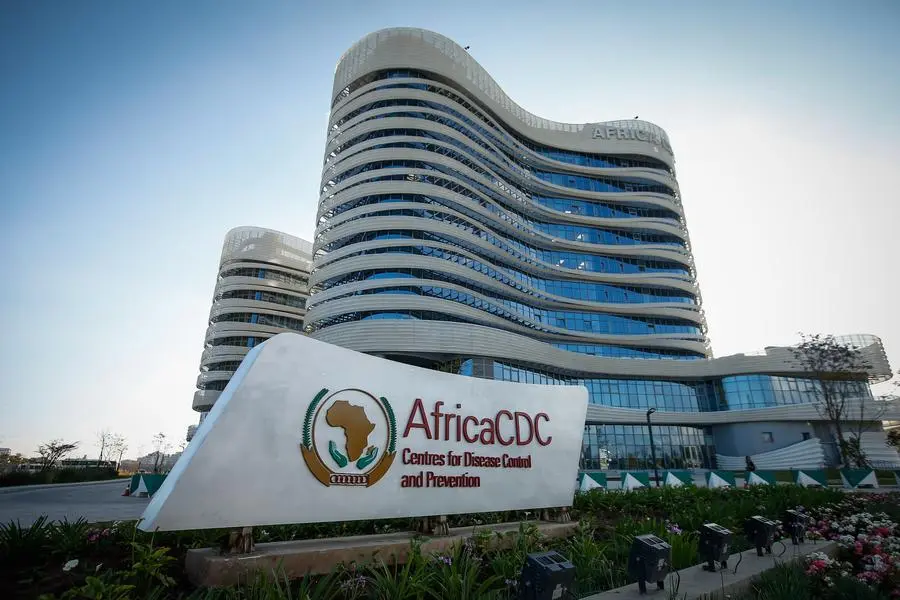
The agency also warned about the high volume of cross-border travel to and from the affected region, as well as the logistical challenges of preventing the further spread of Ebola.
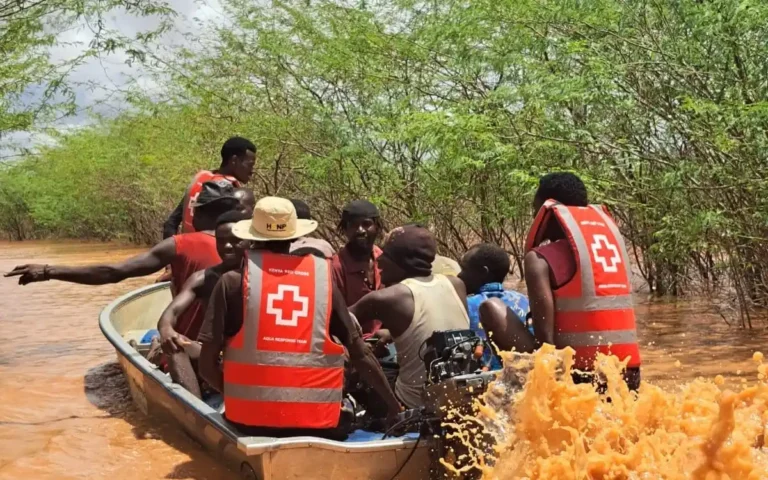
Medical aid groups, including Doctors Without Borders, known by its French acronym MSF, and the International Federation of Red Cross and Red Crescent Societies (IFRC), are responding to the outbreak.
“The number of cases and deaths we are seeing in such a short timeframe, combined with the spread across several health zones and now across the border, is extremely concerning,” said Trish Newport, MSF emergency programme manager.
Congo, one of the Central African countries synonymous with previous Ebola outbreaks, has suffered a heavy toll from the disease in the past.
Ebola virus disease is a severe and often fatal illness endemic to Congo’s vast tropical forests. It spreads through direct contact with the bodily fluids of infected persons, contaminated materials, or the bodies of people who have died from the disease, according to the Africa CDC.