
In a significant leap for edge computing and data privacy, Google has officially launched Gemma 4, the latest generation of its open-weight AI models. The standout feature of this release is its ability to operate at high performance without requiring an active internet connection, marking a shift toward “local-first” artificial intelligence.
High Intelligence, Zero Bandwidth
While traditional AI models like Gemini or GPT-4 rely on massive cloud server farms to process queries, Gemma 4 is optimized to run locally on hardware ranging from high-end smartphones to specialized workstations.
By eliminating the need for a constant data stream, Google is targeting three critical areas:
- Privacy: Since data never leaves the device, it is ideal for sensitive professional work in law, healthcare, and journalism.
- Accessibility: Users in remote areas or regions with unstable internet connectivity can now access state-of-the-art AI assistance.
- Latency: Removing the “round-trip” to the cloud allows for near-instantaneous responses, which is vital for real-time translation and coding.
Key Features and Specifications
Gemma 4 is built using the same technology behind the more powerful Gemini models but is distilled into a compact architecture.
The architecture is available in multiple sizes, including a 2B (2 billion parameters) model for mobile devices and a 9B and 27B version for desktops. Despite its smaller size, Gemma 4 outperforms its predecessors in mathematical reasoning and multilingual understanding.
It is optimized to run on Neural Processing Units (NPUs) found in the latest laptops and mobile chipsets.
A New Era for Privacy-Conscious Professionals
Industry analysts suggest that Gemma 4 will be a game-changer for independent creators and professionals. For an investigative journalist or a freelance videographer, the ability to transcribe audio, summarize long documents, or generate scripts while traveling, without worrying about data leaks or roaming costs, is a massive advantage.
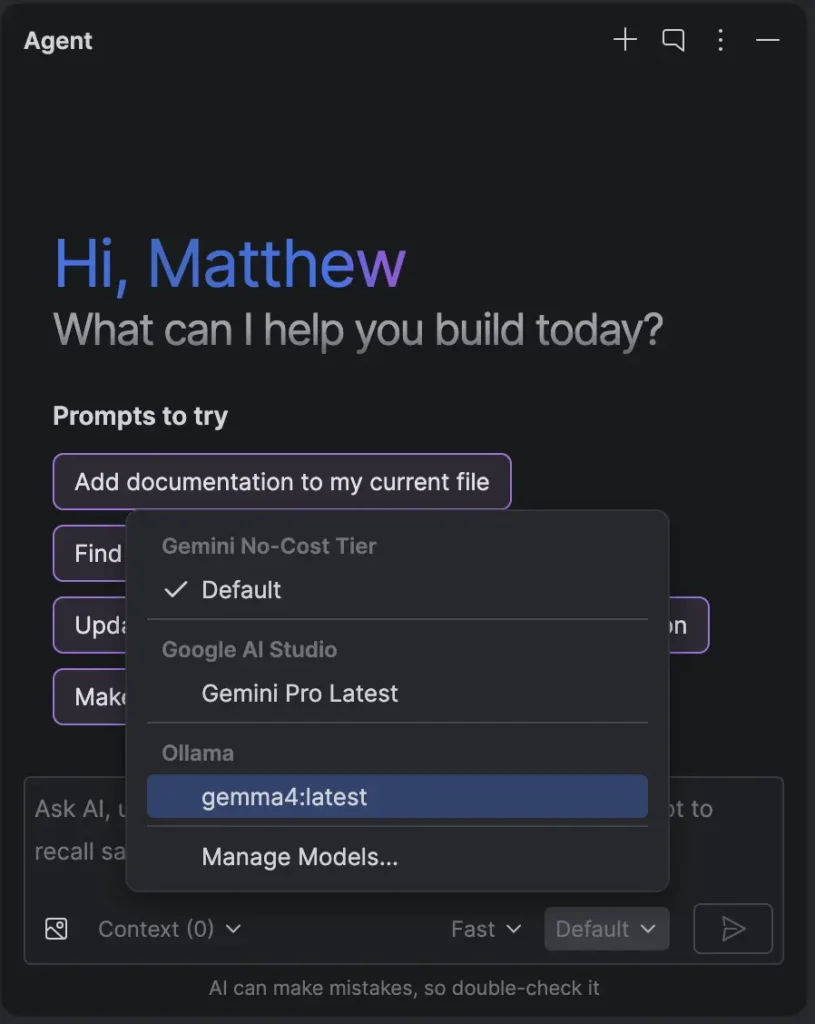
Google’s decision to keep Gemma “open” allows developers to build specialized applications on top of the model. By bringing AI directly onto the device, Google is challenging the dominance of cloud-only providers and pushing the industry toward more sustainable, decentralized computing.