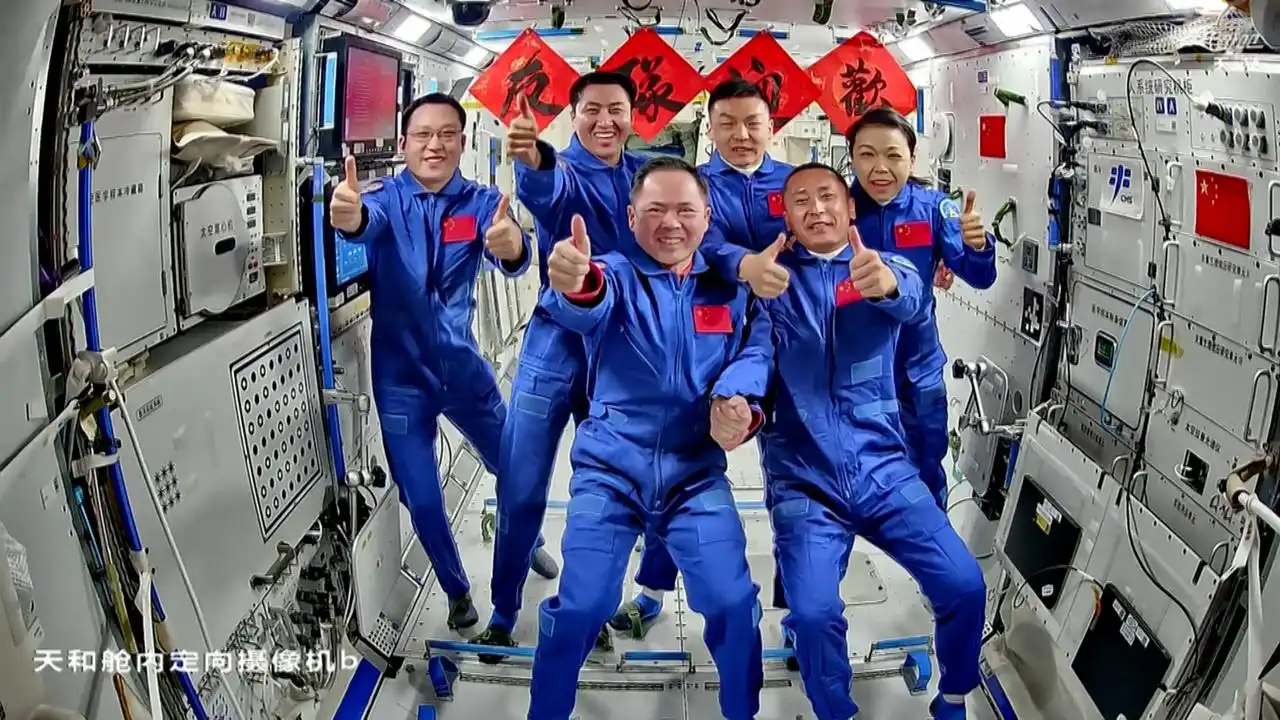
China has successfully executed its eighth in-orbit space reunion, marking a significant advancement in its independent aerospace capabilities. Early Monday morning, the newly launched Shenzhou-23 astronaut crew successfully entered the Tiangong space station, expanding China’s continuous human presence in low-Earth orbit.
The transition began smoothly at 5:13 a.m. (Beijing time) when the serving Shenzhou-21 crew opened the hatch to welcome the arriving three-person team, initiating a historic week-long handover period.
A Milestone for Regional Inclusion
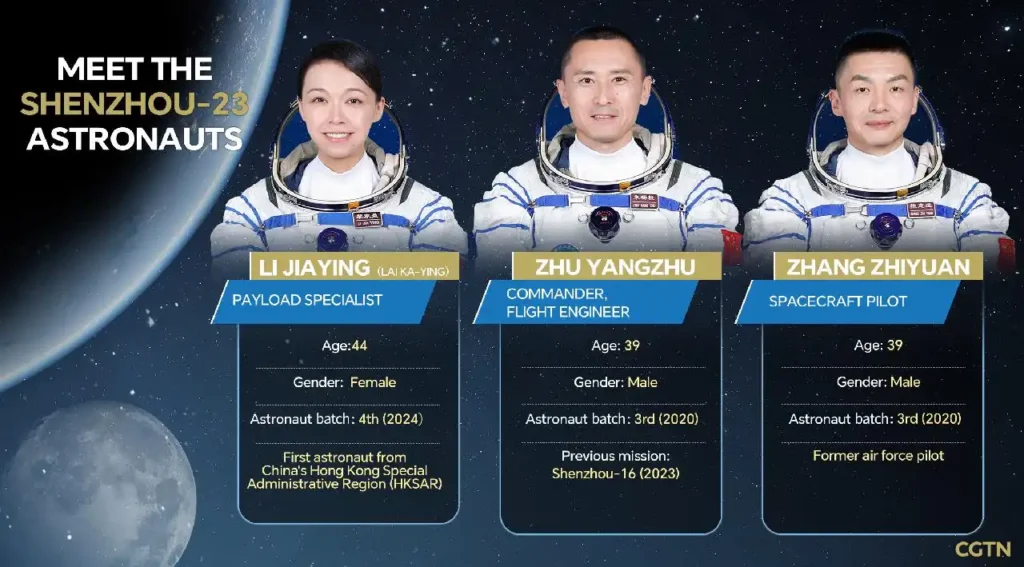
Beyond the technical perfection of the docking procedure, the Shenzhou-23 mission carries profound political and symbolic weight. This mission marks the first time an astronaut from the Hong Kong Special Administrative Region (SAR) has entered the Tiangong space station, a major milestone demonstrating the expansion of China’s national astronaut selection program to its special regions.
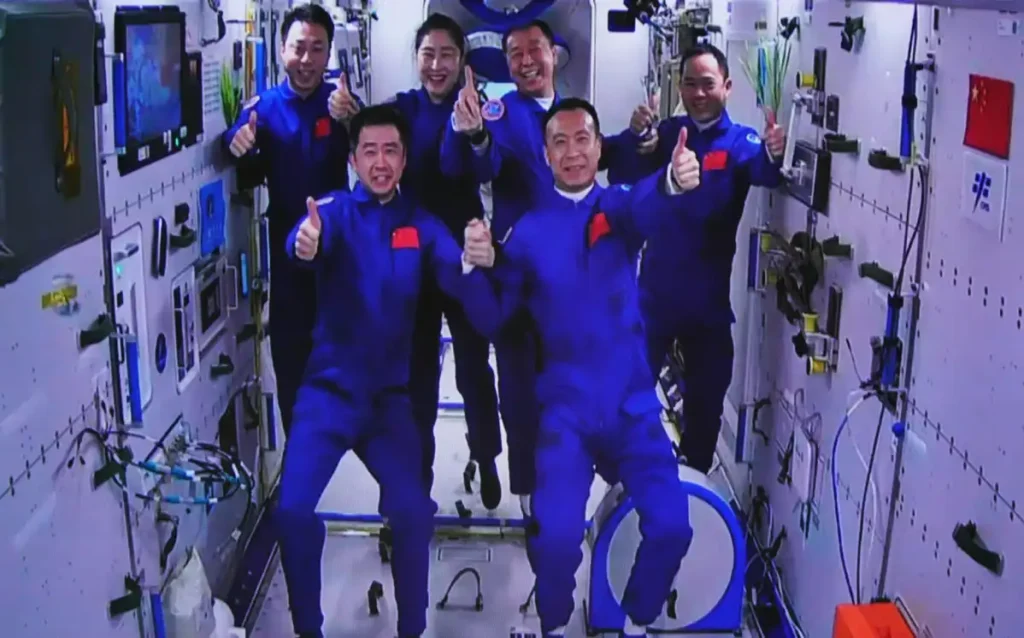
Following the hatch opening, all six astronauts gathered inside the station’s core module to take group photographs, signaling the official start of their joint in-orbit stay. Over the coming days, the two crews will work side-by-side to complete a comprehensive structural and experimental handover before the Shenzhou-21 crew begins its journey back to Earth.
The Expanding Frontiers of Global Science
The successful boarding of the Shenzhou-23 crew highlights the operational maturity of the Tiangong space station, which serves as a cutting-edge platform for space medicine, biotechnology, and microgravity physics.
As global space exploration moves toward a more fragmented landscape, China’s consistent, programmatic approach to its space infrastructure stands out. For developing nations, including those across Africa looking to build out localized satellite capabilities and digital infrastructure, China’s space program offers an increasingly vital collaborative corridor for scientific development and high-tech research transfers.
Source: CGTN