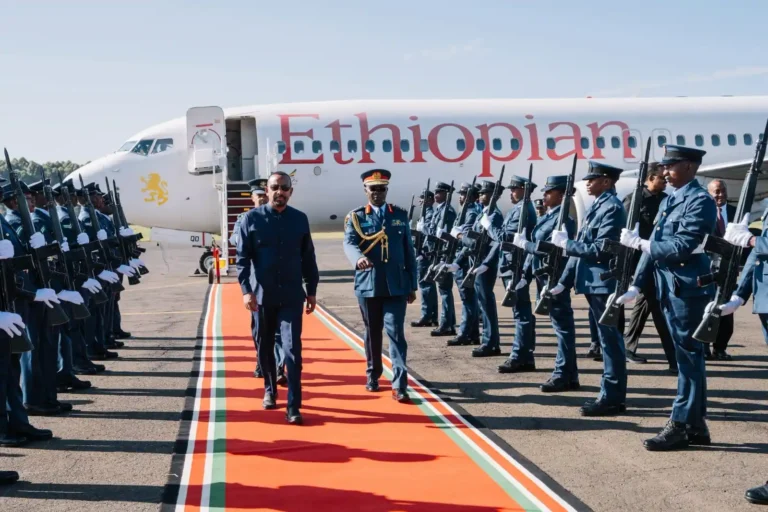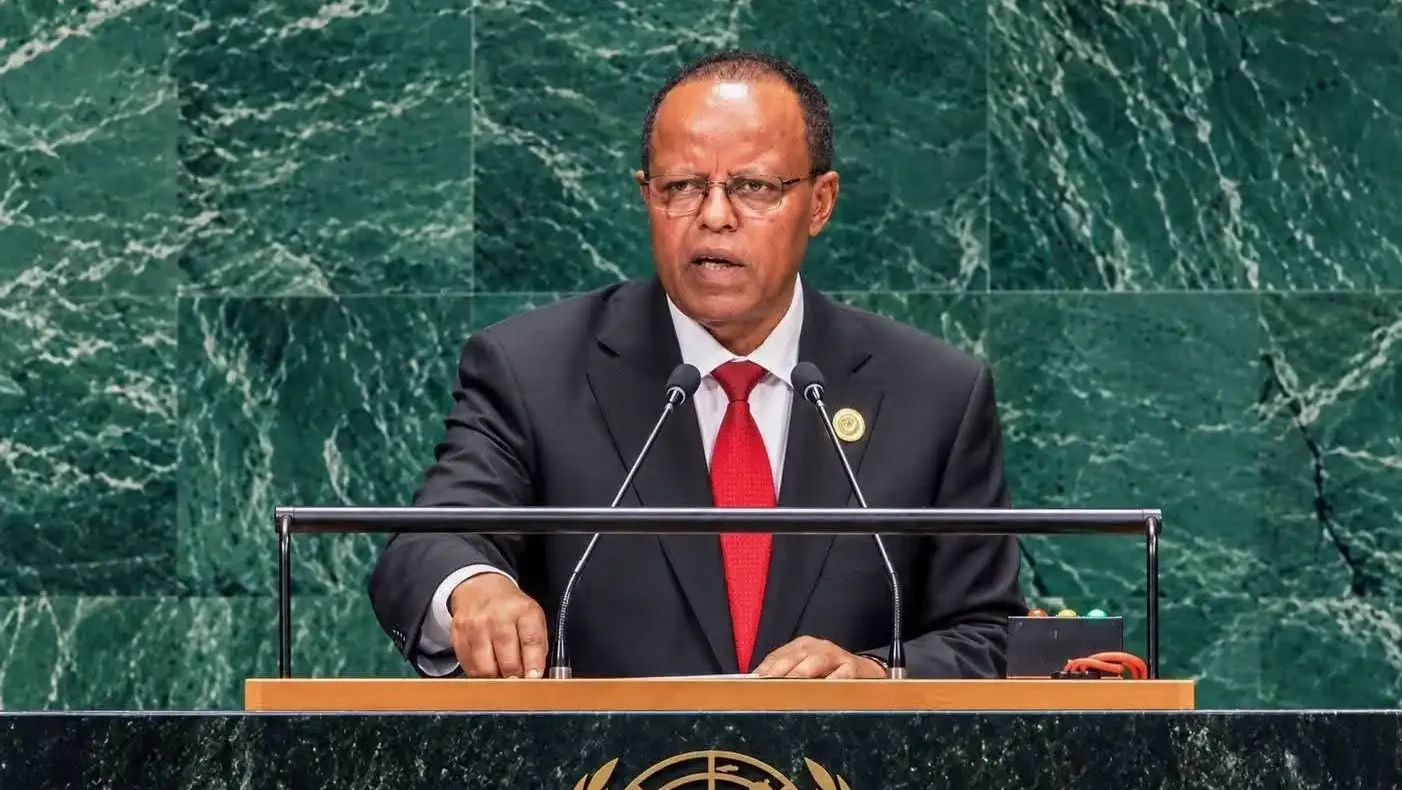
In his address to the UN General Assembly in New York, Ethiopian President Taye Atske Selassie said Ethiopia has committed to exercising restraint despite what he described as continued external interference in its internal affairs by “adversarial elements.”
“Despite continued interference in our internal affairs by adversarial elements, we have exercised immense restraint and remained firm in our conviction to become one of the most prosperous and dynamic engines in Africa,” he stated.
The president also warned what he described as “forces of destruction and mayhem” against destabilizing the region and hampering the people of the Horn of Africa from achieving prosperity. Ethiopia, he added, is working to promote regional and international cooperation by building a network of infrastructure despite these challenges.
The president made the remarks a day after reports of direct military engagements between the federal government and the Tigray People’s Liberation Front (TPLF), marking a clear relapse from the AU-led Pretoria Cessation of Hostilities Agreement (CoHA), which brought the 2020–2022 war to an end.
The TPLF said it had entered into a defensive war, while the federal government had not commented on the reported clashes as of yet.
President Taye also called for meaningful reform of the United Nations Security Council (UNSC), to ensure fairer African representation in international decision-making, particularly on matters affecting the continent.
In this regard, Taye was joined by Kenyan President William Ruto, who also reiterated the need for reform of the UNSC.
Ruto said Africa, despite having 54 UN member states, has no permanent seat on the Security Council. He called for permanent African representation and argued that the current structure reflects the world of 1945 rather than today’s global order. He also called for reforms to international financial institutions, particularly to address the high cost of borrowing faced by developing countries.