China’s economy grew 4.6% year on year in the first nine months of 2026, with gross domestic product (GDP) reaching 107.1 trillion yuan ($16 trillion), data from the National Bureau of Statistics (NBS) showed on Monday.
The economy maintained steady growth despite mounting pressures, the NBS said, as industrial production and services continued to expand.
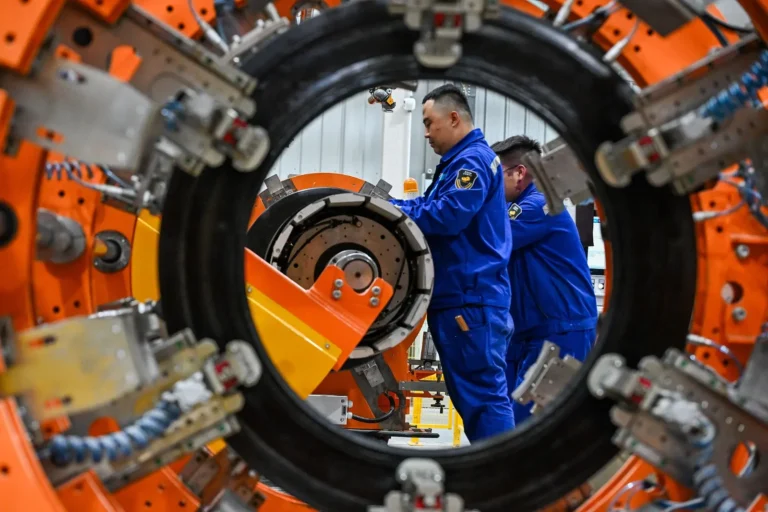
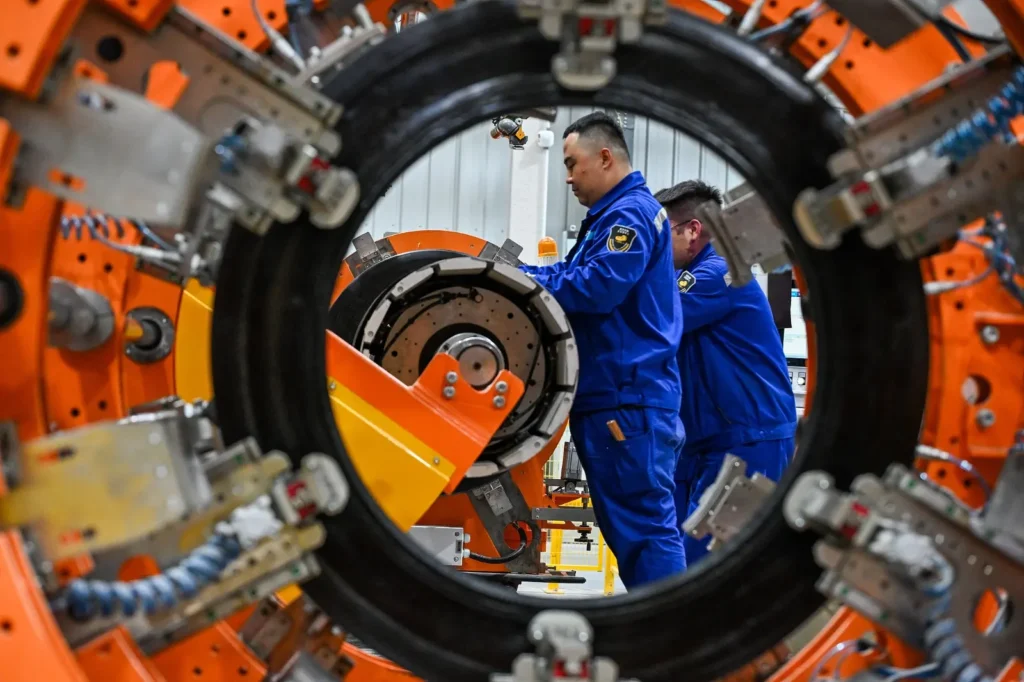
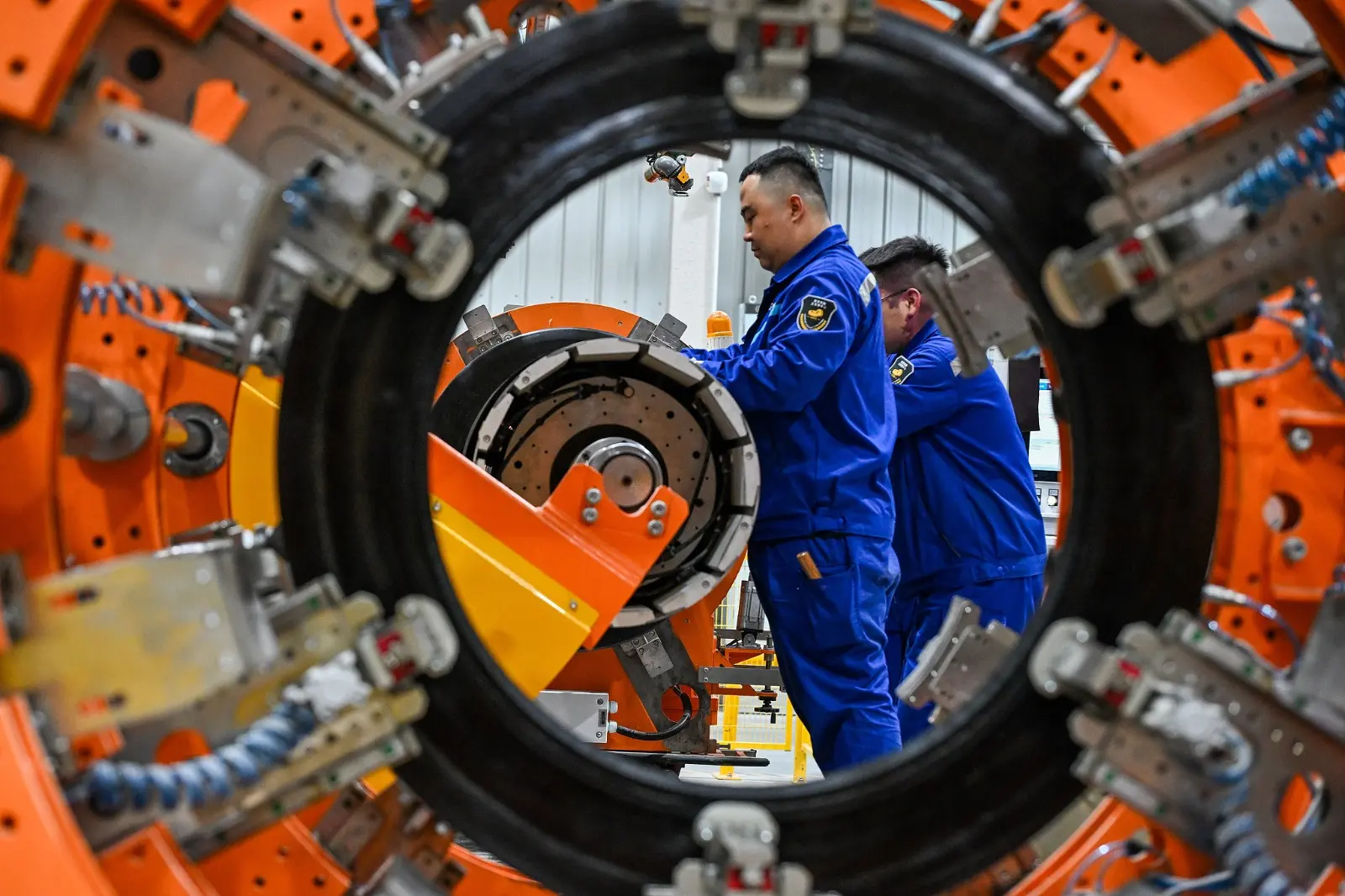
Value added in the industrial output of major enterprises rose 5.3% year on year from January to September. Equipment manufacturing recorded growth of 10.2%, while high-tech manufacturing expanded by 14.3%. Output of 3D printing equipment surged 62.5%, lithium-ion battery production increased 39.5%, and industrial robot output rose 29.1%.

The services sector also continued to expand, with value added increasing 5.2% year on year. Leasing and business services grew 12.3%, followed by information transmission, software and information technology services at 10.4%. Financial services rose 5.8%, while accommodation and catering services increased 5.5%.
Total retail sales of goods and services, a key indicator of domestic consumption, grew 2.6% year on year over the same period. Business activity indices for telecommunications, broadcasting, television and satellite transmission services, monetary and financial services, and insurance all exceeded 55 points, indicating continued expansion. An index reading above 50 points signals growth, while a reading below that threshold indicates contraction.
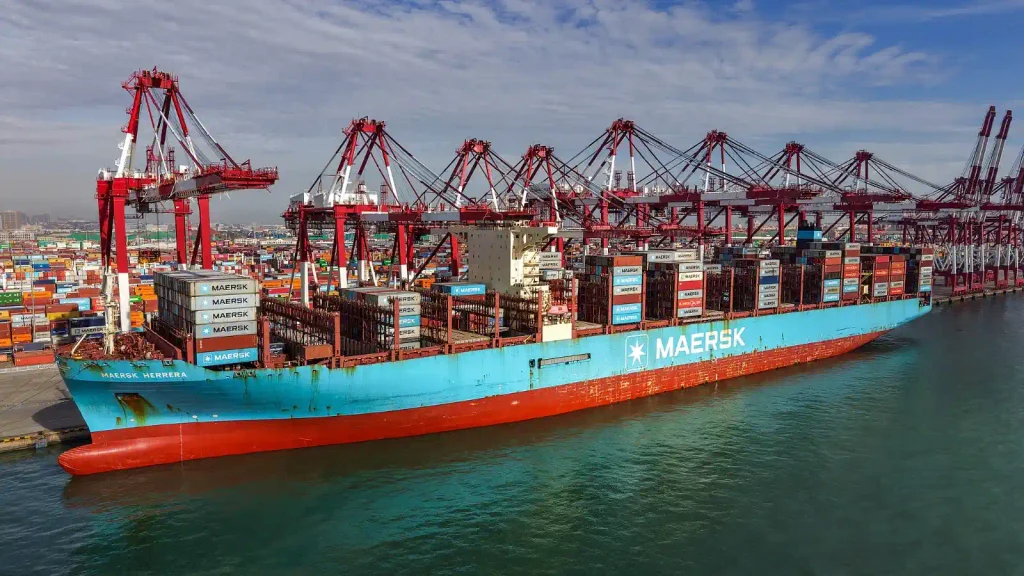
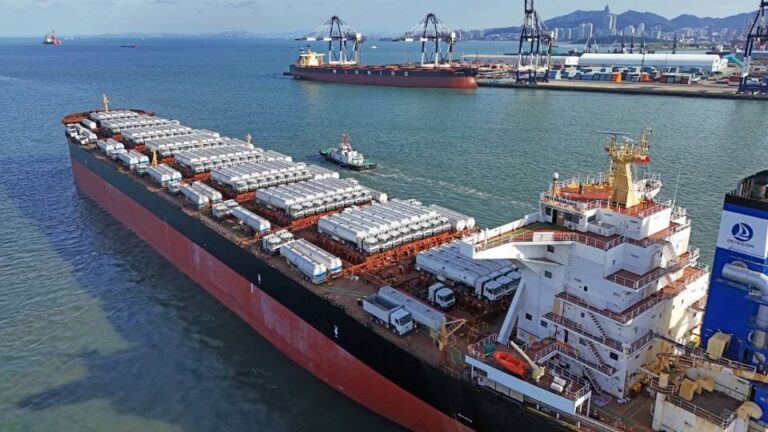
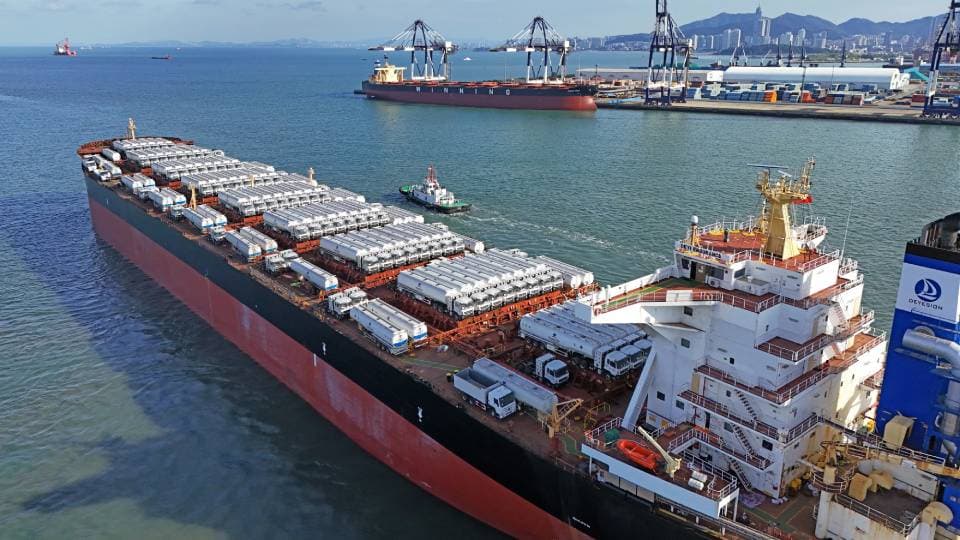
China’s foreign trade in goods also maintained strong growth during the first three quarters, with total imports and exports rising 18.8% year on year to 39.9 trillion yuan. Trade with countries participating in the Belt and Road Initiative increased 17.1%.
Fixed-asset investment, excluding investment by rural households, fell 7.2% from January to September. However, investment in innovation-related areas remained resilient. Investment in intellectual property products rose 9.3% year on year, while investment in high-tech industries increased 4.9%.