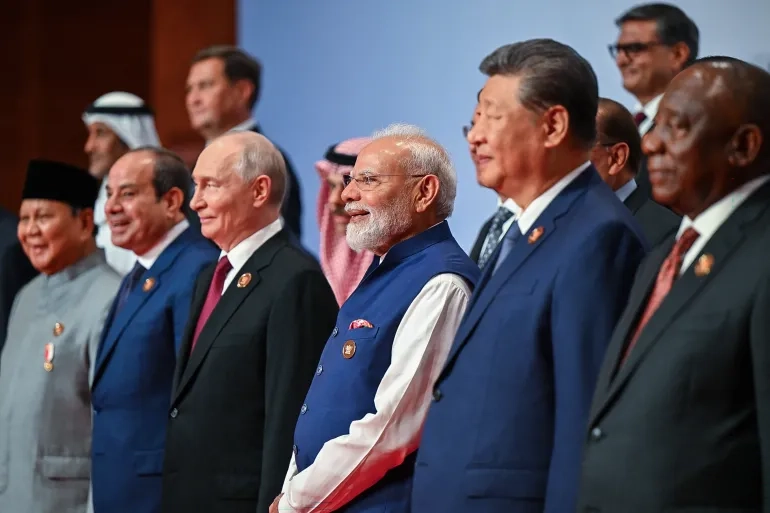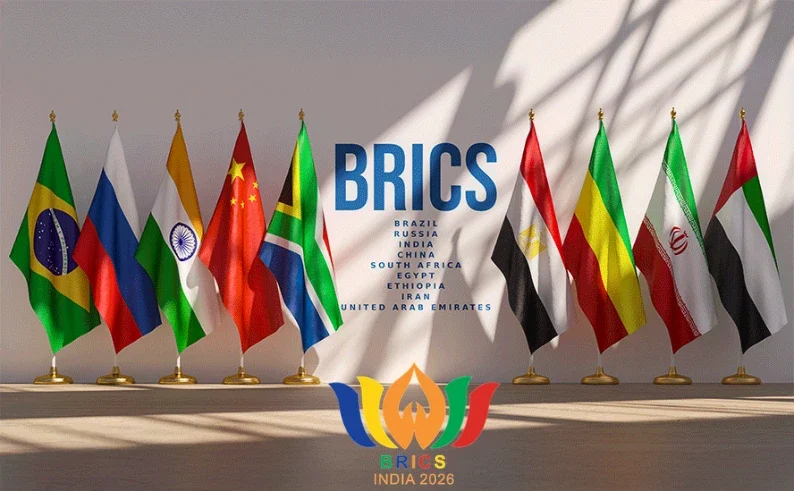
BRICS, founded by Brazil, Russia, India, China, and South Africa, offers an alternative to Western narratives and perspectives on the contemporary world. Essentially, BRICS, led by emerging economies, including China, the world’s second-largest economy, prioritizes South-South cooperation. Within BRICS, member countries have opportunities to participate in global decision-making, particularly on issues of mutual interest, and advocate for a multilateral world order. Baru Demmisse, a senior advisor at the Ethiopian Policy Studies Institute, argued that BRICS amplifies the interests of emerging economies and pushes for the creation of a just world order.
Unlike many Western military and economic blocs, including NATO, BRICS is committed to promoting the economic development of developing countries. In many instances, engaging with Western institutions and negotiating with Western countries can require developing nations to make significant concessions, potentially undermining their economic sovereignty.
Major international financial institutions, particularly the International Monetary Fund (IMF) and the World Bank, have long been criticized for serving as instruments of Western political influence. This has been evident in the policy conditions imposed on various African countries, including demands for changes to their monetary and economic policies.
It is clear that relations between countries in the Global South and those in the Western world have not always reflected partnerships among equals. In contrast, African countries participating in BRICS believe they have greater opportunities to secure a fair share of the benefits arising from cooperation among member states.
Baru argued that BRICS provides an ideal platform for emerging economies to pursue mutual benefits and development based on the principles of equality and respect. He stated that BRICS had “become an important platform for emerging economies to pursue mutual benefit and common development.

An Inclusive BRICS
In recent years, more countries have expressed interest in joining the bloc. According to Baru, this growing interest reflects BRICS’s increasing inclusivity and responsiveness to the development agendas of emerging and developing economies. He stated: “Developing countries in general need an international platform that is more representative, more inclusive and more responsive to their development concerns.”
Baru noted that the outcomes of BRICS cooperation in trade and investment, science and technology, health, digital innovation, and other fields have demonstrated that multilateral cooperation can bring tangible benefits to the Global South. He further observed that BRICS cooperation could play an instrumental role in achieving the United Nations’ 2030 Sustainable Development Goals (SDGs) and the African Union’s Agenda 2063.

According to Baru, Africa, with its predominantly young population, stands to benefit significantly from the bloc’s cooperation initiatives. The bloc’s inclusive approach is therefore an important factor attracting developing countries seeking opportunities to strengthen their economies and advance their development agendas.
China’s Role in Strengthening BRICS’ focus for African countries China, the world’s second-largest economy, has reinforced BRICS’s significance to developing countries through infrastructure development, trade, and technological cooperation.China’s experience in poverty reduction, industrialization, infrastructure development, and technological advancement has provided valuable lessons for many developing countries.
Baru stated: “By encouraging knowledge sharing, capacity building and investment, China has helped make the BRICS cooperation mechanism a strategic platform for advancing development cooperation and shared prosperity.”
China has also taken initiatives to advance BRICS cooperation in artificial intelligence (AI) and digital infrastructure, including through collaboration with African countries. According to Baru, these initiatives could help African countries, including Ethiopia, address gaps in digital infrastructure, technical expertise, and technological capacity.
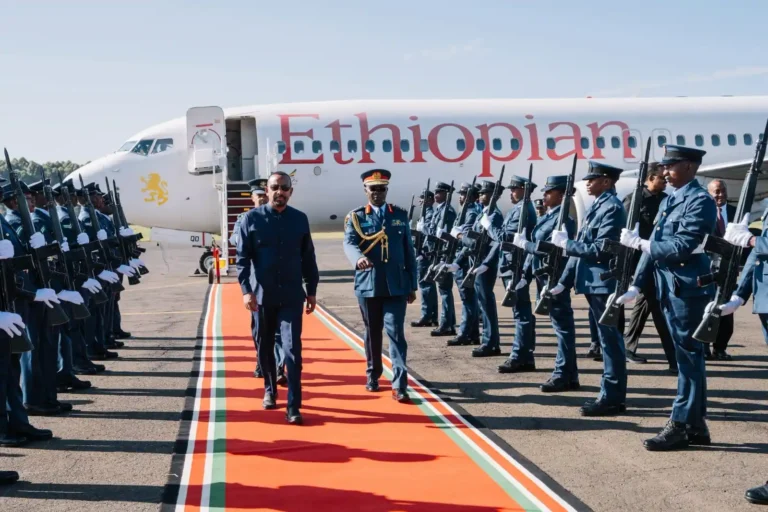
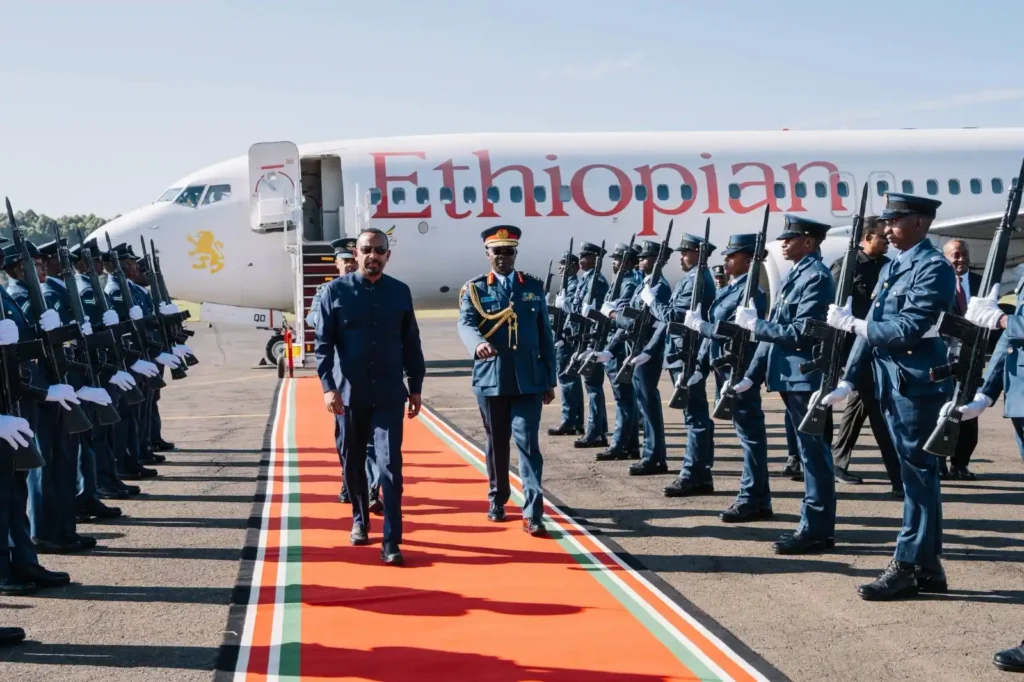
Ethiopia, which became a full member of BRICS in 2024, has maintained a strong, all-weather partnership with China. This relationship has been strengthened through cooperation in major infrastructure projects, including railway and airport development, as well as expanding trade, partly supported by China’s zero-tariff policy for eligible African imports.
China’s upcoming BRICS chairmanship and its hosting of the 19th BRICS Summit in 2027 are also expected to shape the bloc’s future direction and development priorities.China has reinforced BRICS’s commitment to advancing the economic and developmental interests of African countries. Through its emphasis on cooperation with African nations in areas ranging from infrastructure development and trade to artificial intelligence and digital governance, China has contributed to strengthening BRICS as a platform for South-South cooperation. For African countries, the bloc offers opportunities to pursue economic growth, technological advancement, and a greater voice in global decision-making.