Partnerships in hydropower can deliver more than infrastructure. Training, knowledge exchange and adaptation to local conditions will help African countries operate projects and build resilient energy systems.
Hydropower cooperation is often measured in dams, turbines and transmission lines. But Zhang Yong, a Chinese vocational educator whose college works with African partners, says its long-term value also depends on the people who can operate and maintain that infrastructure.
“The value of cooperation lies not only in the construction of hydropower infrastructure, but also in the cultivation of local technical talents who can ensure the safe and efficient operation of facilities.”
The need is significant. More than 560 million people in sub-Saharan Africa still lack access to electricity, according to the International Energy Agency. Hydropower can supply large amounts of electricity, but dependable power also requires trained operators, well-maintained equipment and networks that can deliver electricity to homes and businesses. According to IEA, June 2026
Zhang’s college specializes in water conservancy, hydropower, construction engineering and intelligent technology. He said it is helping promote the China-Africa Green Development Alliance and has established the Silk Road Institute for Water Conservancy and Power in Zambia. Through these partnerships, the college works with African institutions and organizations on vocational training, technical exchange and green energy cooperation.
The aim, Zhang said, is to connect education with practical experience. Teachers from the college have taken part in project-based teaching and technical activities in Zambia, while Zambian students have studied Chinese and professional courses in China. These exchanges, he said, can help make training more relevant to the needs of local industries.
For that cooperation to last, technologies and methods need to be adapted to the places where they will be used.
“Relevant technologies and practical methods need to fully consider the local hydrological conditions, infrastructure, laws and regulations and talent capabilities, and cannot be simply copied.”
That is particularly important in hydropower, where electricity generation depends on water availability. Drought and changing rainfall can affect river flows and reservoirs, while extreme floods can put infrastructure under pressure. Zhang said training and knowledge exchange can strengthen monitoring of rainfall, river flow and reservoir conditions, as well as skills in flood management, sediment control and equipment maintenance.
He also emphasized that African experience must be part of the process. Local professionals understand their watersheds, environmental conditions and community needs. Combining that knowledge with international technical experience, he said, can help partners develop solutions suited to local circumstances.
“Combining China’s technical experience with local knowledge in Africa will help both sides jointly explore applicable, economical and sustainable solutions.”
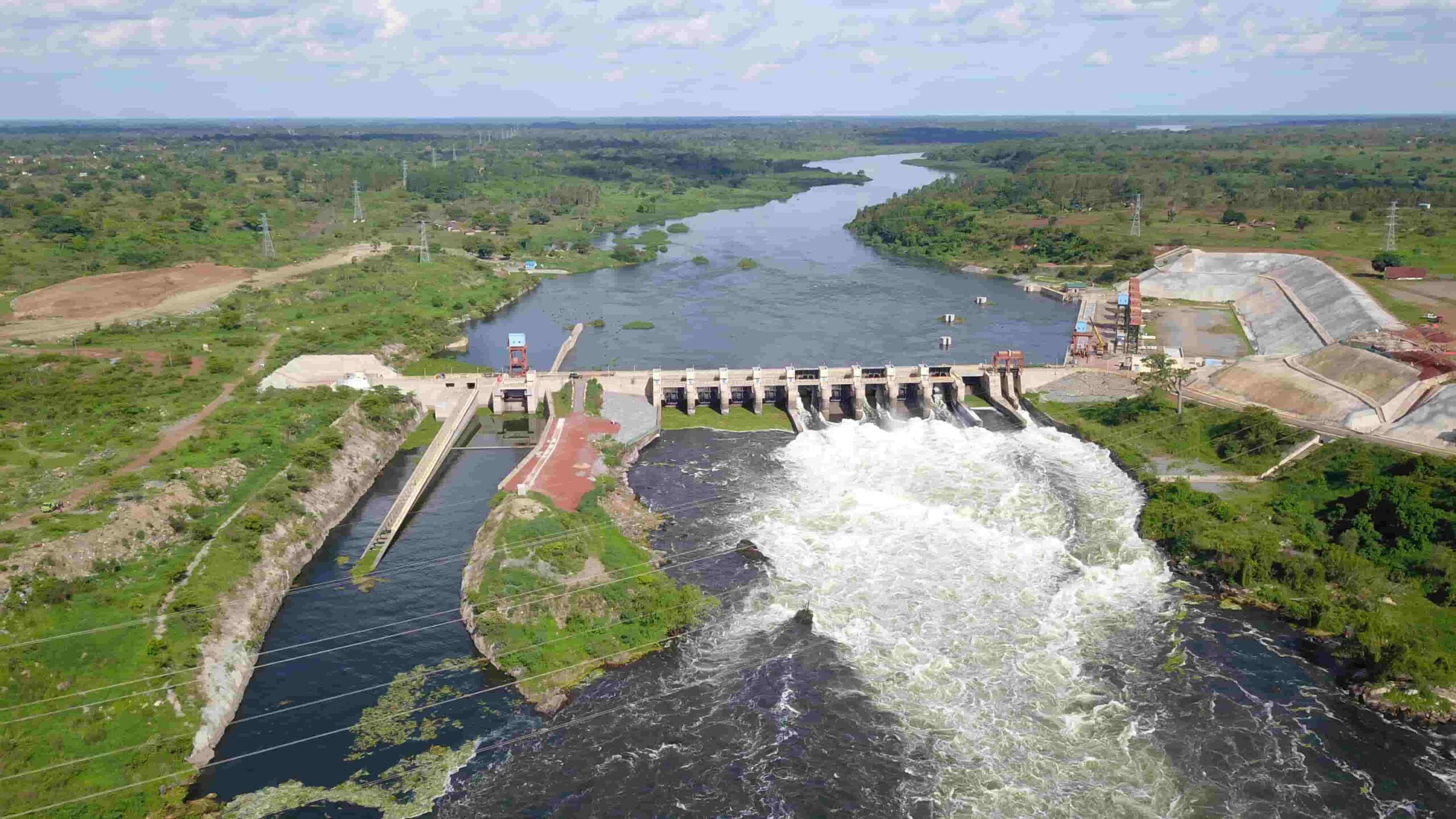
The potential is considerable. The International Renewable Energy Agency estimates that close to 131 gigawatts of hydropower capacity is represented by existing, committed, planned and candidate projects across Africa. Ethiopia’s Grand Ethiopian Renaissance Dam, designed for about six gigawatts, is among the continent’s largest hydropower projects. These figures describe project capacity; the electricity projects deliver will also depend on water conditions, financing, grid connections and long-term operations. IRENA, Sub-Saharan Africa: Policies and Finance for Renewable Energy Deployment
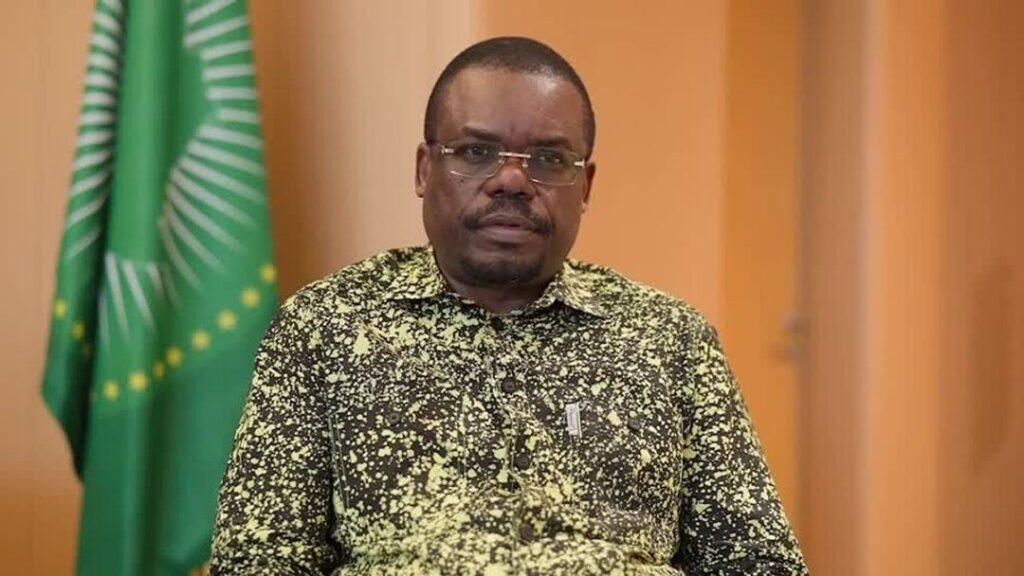
Connecting electricity systems across borders could also help countries make better use of available power. Dr. Yohannes G. Hailu, Chief of Connectivity and Infrastructure at the UN Economic Commission for Africa, said regional power pools are laying the groundwork for electricity trade and a more integrated continental market.
“Hydropower is one of the high-potential energy generation sources in the continent. That’s why there is a lot of emphasis in developing hydro projects across the continent to support energy transition, so that Africa would have cleaner, more sustainable energy sources.”
Dr. Yohannes G. Hailu, Chief of Connectivity and Infrastructure, ECA
Exclusive interview with Afroinsight.
Hailu said international partners, including China, can contribute experience in hydropower systems, infrastructure and transmission. He also identified capacity development and knowledge exchange as important areas for cooperation.
The opportunities come with risks. Climate change can affect hydropower generation, and projects need to account for shifting rainfall, drought and floods. Hydropower should also be considered alongside solar, wind, storage and stronger electricity networks, helping countries diversify supply and avoid dependence on a single resource. The International Energy Agency has highlighted the need to assess climate risks when developing African hydropower. IEA, Climate Impacts on African Hydropower
Davies Chinkusu, CEO of Zambia’s Kafue Gorge Regional Training Centre, said African energy professionals need opportunities to share practical knowledge and develop solutions suited to the continent.
“We try as much as possible to find African solutions, those that will help us make a difference in Africa and improve industrialization.”
Davies Chinkusu, CEO, Kafue Gorge Regional Training Centre
Interview provided for Afroinsight
Chinkusu said a cooperation agreement between the African Energy Commission and KGRTC is intended to strengthen capacity building. He also described discussions with financiers and stressed the importance of combining hydropower with other renewable sources, including solar.
For China-Africa cooperation, success will mean more than completing infrastructure. It will also mean developing skilled local teams, strengthening African institutions, adapting technologies to local conditions and preparing energy systems for climate risks. The goal, Zhang said, is for African professionals and institutions to play a growing role in managing and developing their own energy systems.