G20 Summit Concludes with Ambitious 122 Point Declaration After Two Day Meeting
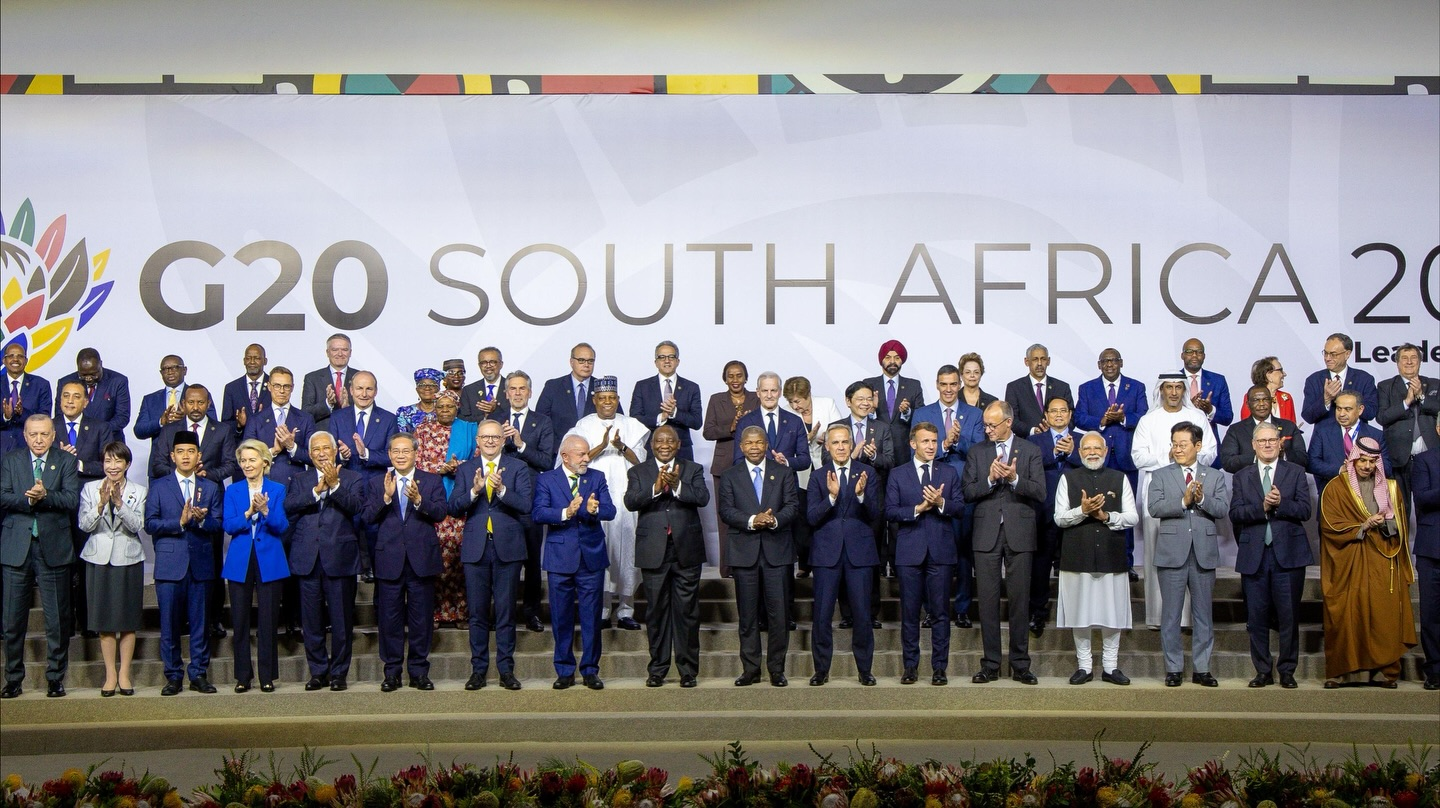
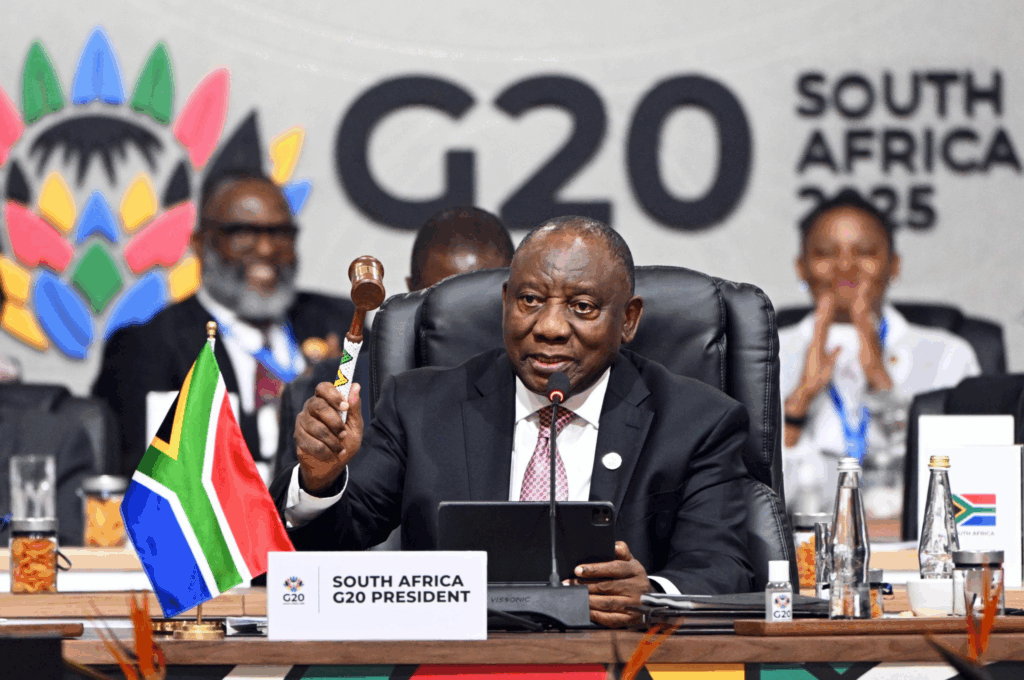
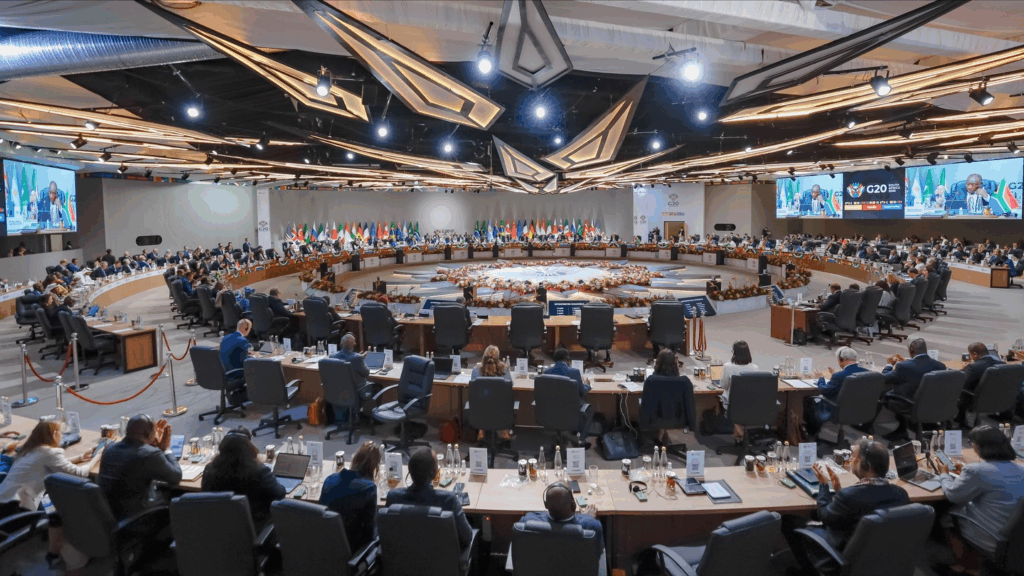
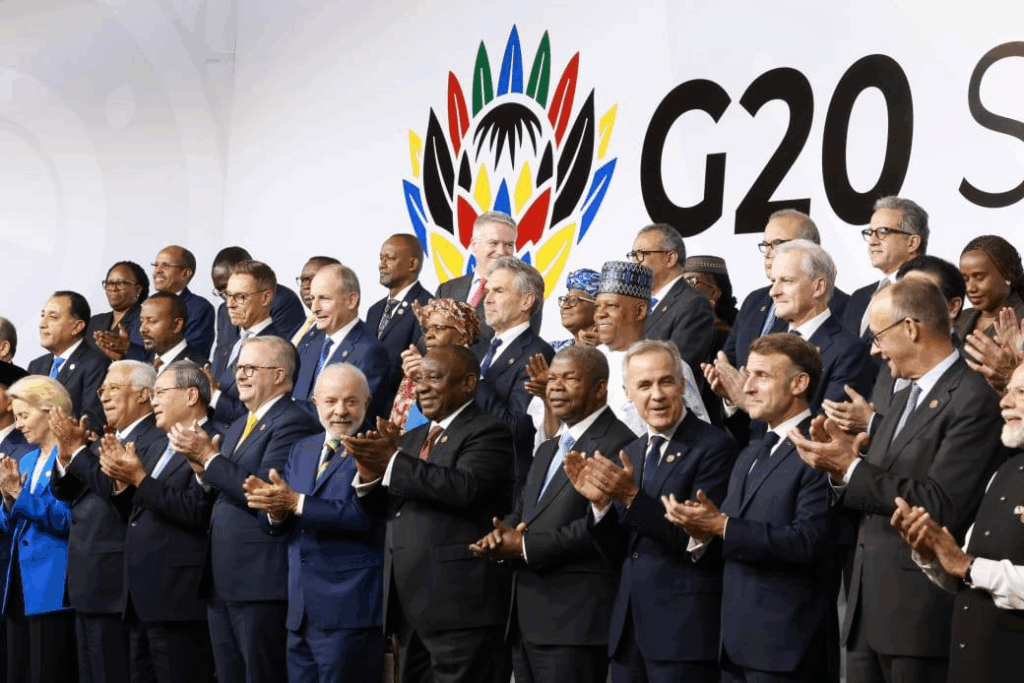
The 2025 G20 Summit in Johannesburg concluded with the adoption of an ambitious 122-point declaration addressing climate change, global inequality, debt relief, peace, and other global challenges. During the closing ceremony, South African President Cyril Ramaphosa formally handed over the gavel to the United States, which is set to host the next summit. His final lines were:
“I now say that this gavel of this G20 Summit formally closes this summit and now moves on to the next President of the G20, which is the United States, where we shall see each other again next year. The summit is therefore closed.”
In his closing remarks, Ramaphosa emphasized continuity, cooperation, and the importance of multilateralism, despite the U.S. openly opposing the declaration, which was adopted without its participation. The U.S. boycotted the meeting following allegations it made about the mistreatment of South Africa’s white minority, claims that South Africa categorically rejects as “complete fabrications.”
Climate change, global equality, and debt reduction formed the central pillars of the declaration, which committed leaders to accelerating the global energy transition through major investments in renewable energy and the strengthening of critical-mineral supply chains. To reduce inequalities and support vulnerable nations, the document emphasized expanded adaptation financing, resilient infrastructure, and targeted assistance for small islands and small vulnerable states.
Debt-relief measures for developing countries were highlighted as essential for enabling these shifts, reinforced by calls for fairer international taxation reforms focused on multinational digital companies. The declaration also advanced efforts to build coordinated frameworks that prevent supply-chain disruptions and secure access to essential goods such as food and medicine, while reaffirming commitments to conflict prevention, humanitarian access, and global health preparedness as foundations for long-term peace and stability.
Ramaphosa framed Africa’s message to the G20 as one of unity and cooperation, an alternative to what he described as a historically unilateral global order. He emphasized that the G20 is evolving into a platform through which Global South countries can articulate shared interests and exert collective influence on critical global issues.He underscored this vision in his remarks:
“Together, we must create a virtuous cycle of reduced debt, higher public investment, and more rapid and inclusive economic growth. When all of us become successful, then the whole world becomes successful.”
He reiterated South Africa’s pledge to mobilize the G20 to strengthen disaster resilience, an effort that reflects the broader spirit of the G20 itself, which was formed in response to global economic crises and has since evolved into a forum for confronting cross-border shocks such as natural disasters, pandemics, and climate-driven disruptions. As he noted,
“Disaster knows no borders. But their toll is heaviest on those without the means to recover and to rebuild.”
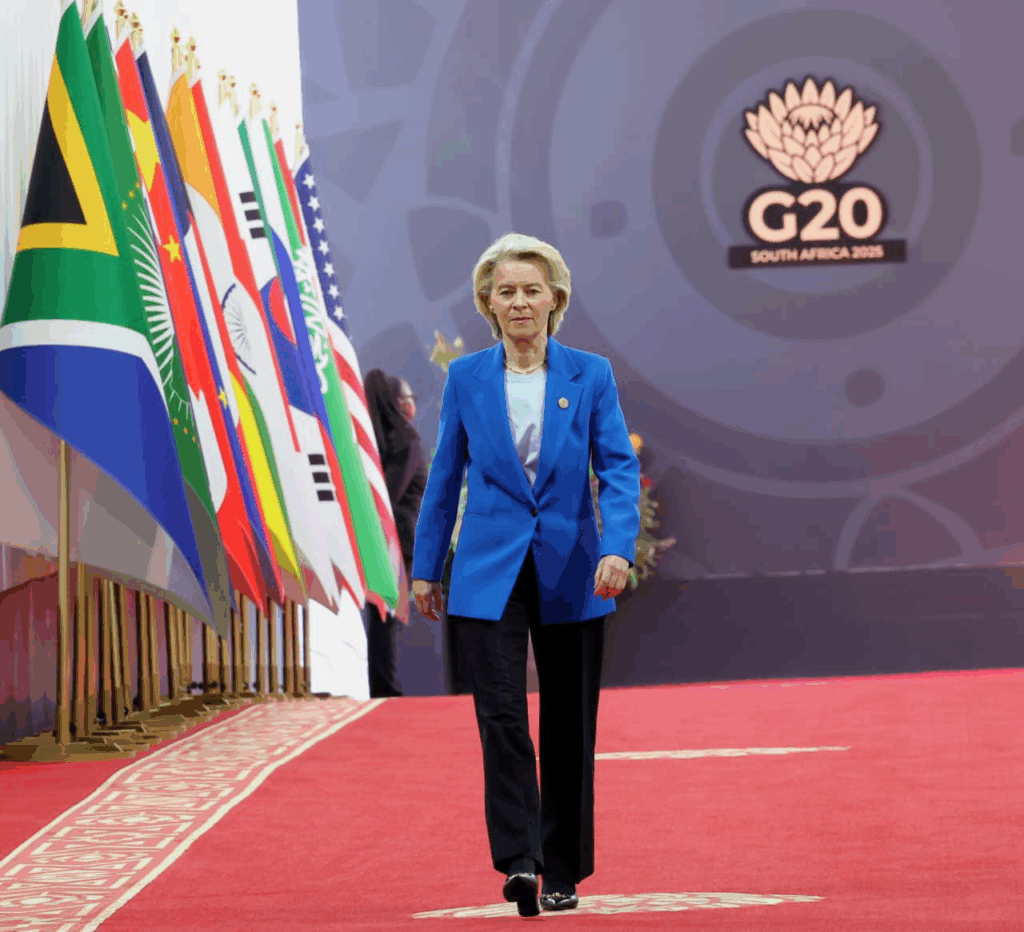
The European Union, led by European Commission President Ursula von der Leyen, pressed for an accelerated and just energy transition, reaffirming its commitment to phasing out fossil fuels while scaling up investments in renewable energy. Ursula emphasized that the EU’s approach is not about resource extraction but about fostering clean, sustainable cooperation that benefits South Africa and other developing nations. She noted, “Renewable energy sources are a natural fit for many developing economies.” The EU countries also emphasized the urgent need to address the ongoing conflict between Russia and Ukraine, highlighting its devastating human toll and the significant ripple effects it has had on global commerce.
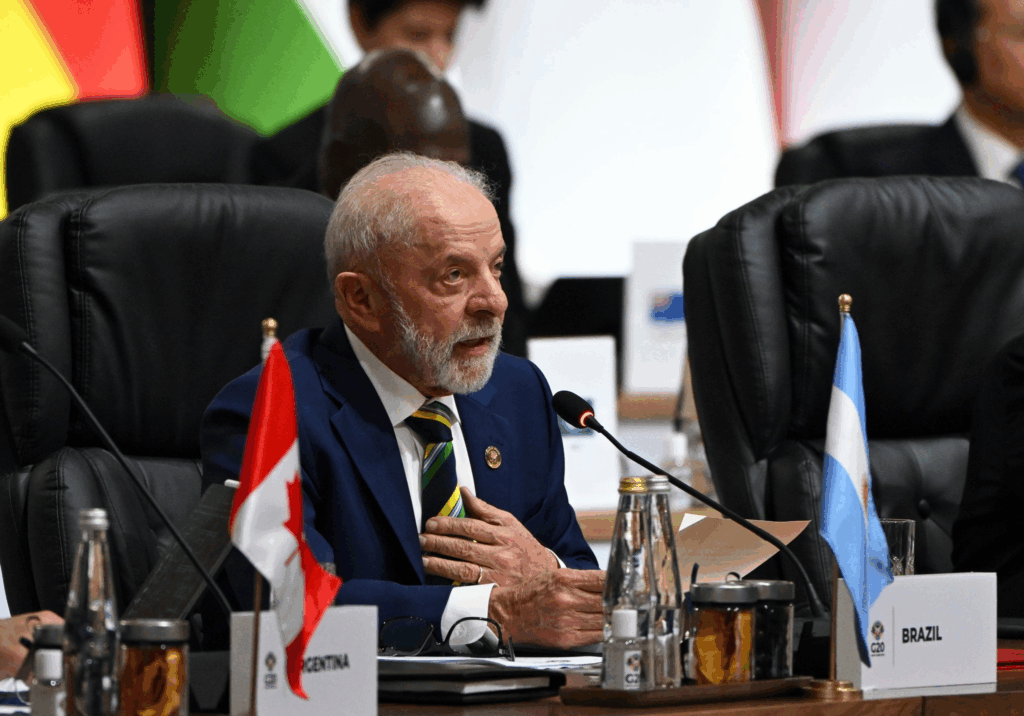
Three major Global South powers; India, Brazil, and South Africa used the summit to advance their shared agenda under the IPSA trilateral partnership, formed in response to tariff pressures during the Trump administration. For three founding BRICS members to establish a new strategic trio is itself a sign of how swiftly global trade patterns and geopolitical alliances are transforming. Brazil’s President Luiz Inácio Lula da Silva continued to position himself as a vocal champion of multilateralism. China, another central actor at the summit, framed multilateralism as essential for emerging economies and expressed support for South Africa’s solidarity agenda.
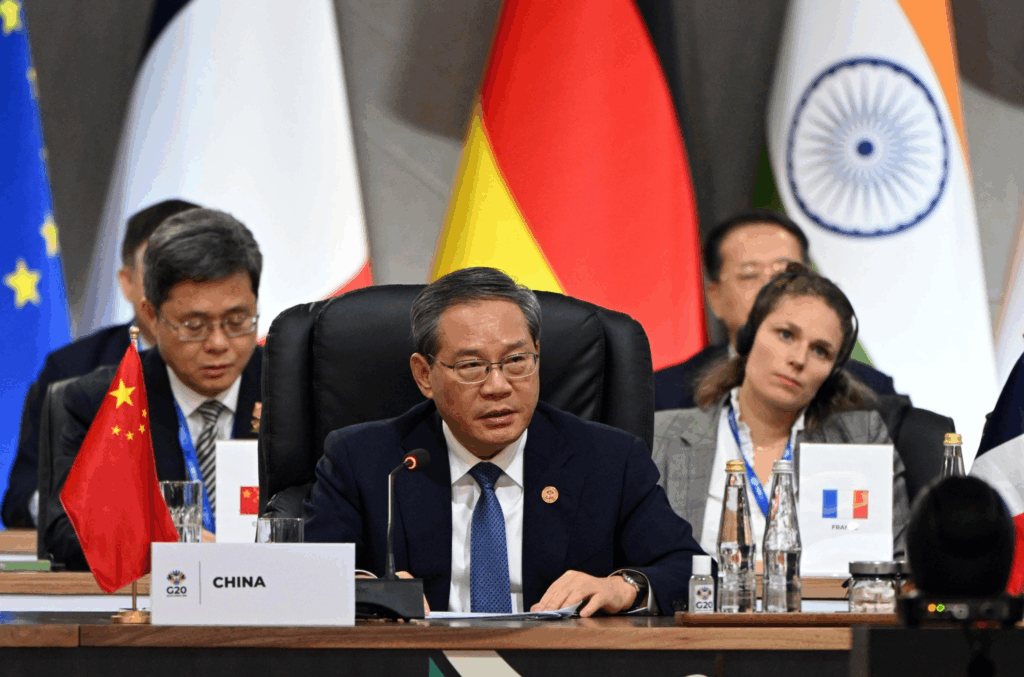
According to CGTN’s report, Premier Li Qiang urged the G20 to accelerate reforms of the World Bank and WTO, emphasizing the importance of inclusive global governance. China reiterated its commitment to promoting industrialization in Africa and other least-developed regions as a pathway to shared prosperity. Beijing also backed debt-relief initiatives for developing nations and launched new cooperation programs with South Africa to support African modernization.
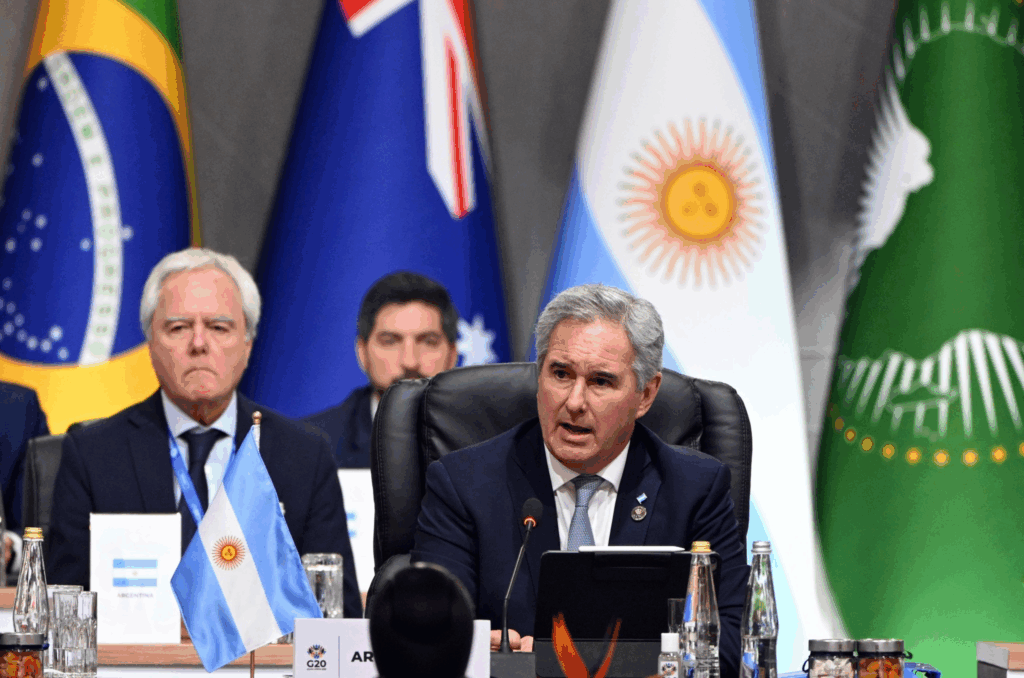
In a meeting that saw a unanimous alignment the country that took a different stance was Argentina. Citing both procedural and substantive objections, Argentina’s Foreign Minister Pablo Quirno argued that the declaration violated the G20’s consensus-based decision-making and criticized its framing of geopolitical issues, particularly regarding the Middle East. Observers pointed out that Argentina’s stance reflects a consistent trajectory in recent years, aligning with U.S.-backed global financial institutions and adopting policies often in line with Washington’s recommendations on fiscal and economic reforms.
In addition to Trump, the most prominent absentee at the summit was Russian President Vladimir Putin. As in previous years, President Putin, who rarely participates in such multilateral summits, did not attend, a decision further complicated by the ICC arrest warrant, to which South Africa is a signatory.
Africa’s Rising Influence in a Multilateral World. The 2025 G20 Summit was widely seen as a success, marking a historic moment in which Africa helped shape the global agenda. But the 122-point declaration still awaits execution. Observers note that its execution may face significant opposition from the United States, making sustained follow-through essential for the commitments to translate into real, measurable change.
This momentum comes as the world moves away from a unipolar system. With China and other emerging economies increasingly balancing traditional centers of power, Africa is stepping forward as a more assertive and influential player. The G20 itself is evolving from a crisis-response forum into a body that actively shapes global priorities. Africa’s expanding role signals the emergence of a new era, one in which global decisions are driven by a broader, more inclusive set of voices.
Share this article
Subscribe
By pressing the Subscribe button, you confirm that you have read our Privacy Policy.