Widespread civil unrest has erupted across several Iranian cities following protests driven largely by economic hardship and the declining living condition of citizens. Several sources say that up to 10 protesters were killed during clashes with security forces.
Commenting on the unfolding crisis, U.S. President Donald Trump warned that the US could intervene if the Iranian government’s crackdown on dissenting protesters intensifies.
Iran’s economic strain has been deepened by the sharp collapse of its national currency. The Iranian Rial has fallen dramatically, with exchange rates reaching approximately 42,000 Rials to one U.S. dollar. Inflation has reportedly reached above 40 percent, while food prices surged by as much as 70 percent.
Much of Iran’s economic crisis has been linked to repeated U.S. sanctions. However, President Masoud Pezeshkian acknowledged that external pressure alone does not absolve Iranian officials of responsibility. He stated that government authorities had failed to take sufficient steps to improve citizens’ living conditions and pledged to address Iran’s internal challenges.
In a defiant tone, Pezeshkian said “ missile and bomb attacks alone are not enough to subdue a nation and that only a ground war could do so.”
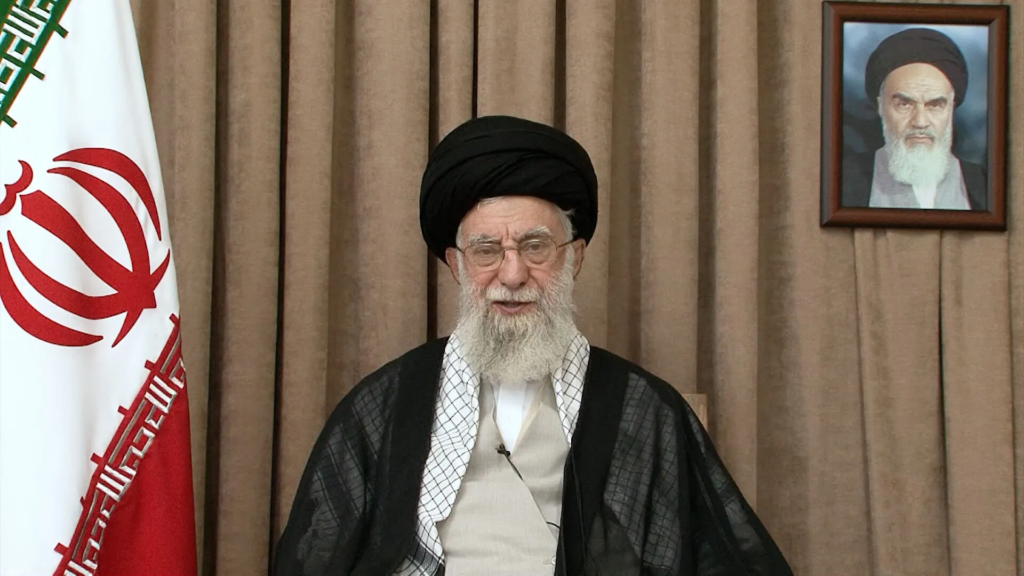
Meanwhile, Iran’s Supreme Leader, Ayatollah Ali Khamenei, urged state officials to remain firm and to confront what he described as foreign attempts to exploit Iran’s internal problems for political interests.
International political observers note that experiences in countries such as Nigeria and more notably Venezuela suggest that the possibility of direct U.S. military intervention in Iran cannot be entirely ruled out.