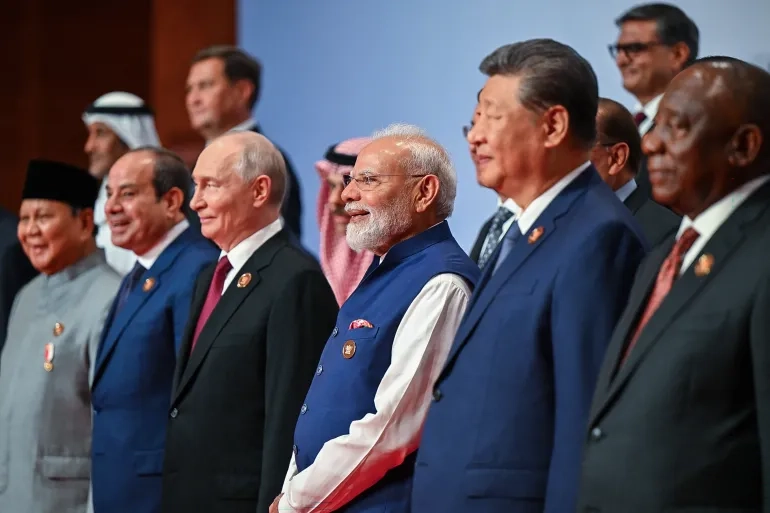
The BRICS cooperation mechanism is becoming increasingly important for developing countries seeking greater representation in global affairs, expanded economic partnerships and new opportunities for sustainable development.
For Ethiopia, membership offers a platform to strengthen trade relations, attract investment, support industrialization and deepen cooperation with emerging economies.
Ahead of the upcoming BRICS Summit hosted by China, expectations are high that member countries will reaffirm their commitment to a more inclusive international order and explore practical solutions to global economic and development challenges.
Economic consultant Fitsum Girma said, “I expect the upcoming summit will be a reassuring event in which BRICS reaffirms its unwavering commitment toward building a more just and equitable global order.”
Fitsum added that BRICS has created important opportunities for the wider Global South by strengthening economic cooperation and giving emerging economies a greater voice in international decision-making.
China’s role remains central to these efforts. Fitsum said “China has been a leading figure in the BRICS mechanism from its founding and throughout. I believe its role has also been indispensable in strengthening it.”
According to Fitsum, China contributed to BRICS cooperation through infrastructure development, supply-chain cooperation and proposals for reforming the global financial architecture.
For Ethiopia, BRICS membership could open additional avenues for expanding exports, attracting cross-border investment and financing development priorities. “BRICS presents tremendous opportunities that best fit into Ethiopia’s priorities,” Fitsum said, pointing to the potential for new markets, investment partnerships and access to development financing through institutions such as the New Development Bank.
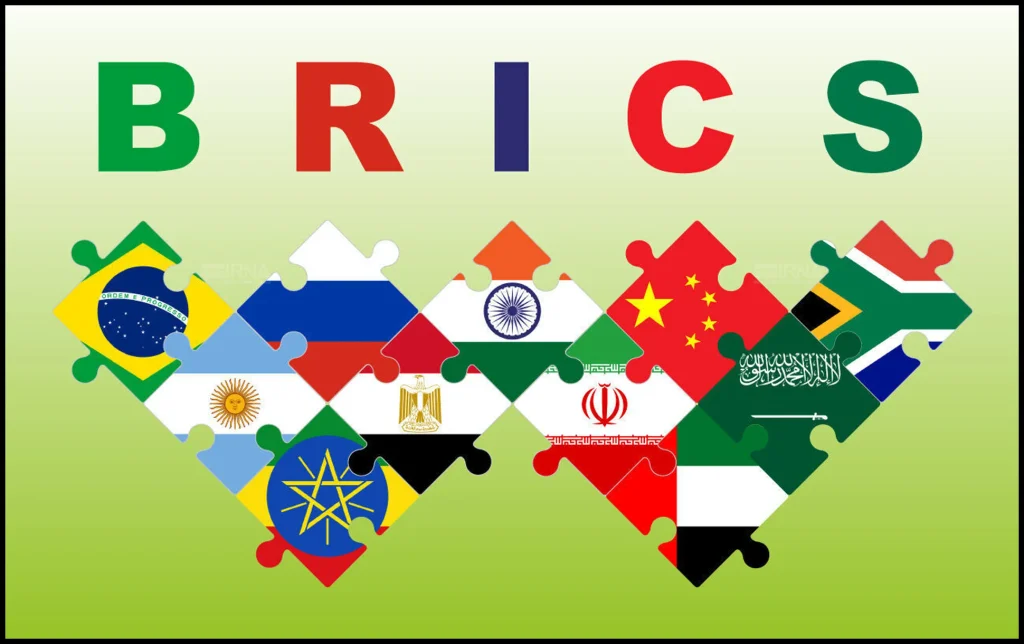
The benefits could extend across Africa. Through infrastructure investment, technology transfer and skills development, BRICS cooperation could help African countries strengthen cross-border trade and participate more effectively in global supply chains.
“In connecting African markets to global supply chains specifically, I believe China can play its part in two ways,” Fistum said, stressing the importance of integrating Africa’s productive capacity into global sourcing and supporting countries to move beyond exporting primary commodities.
Fistum emphasized that the value of BRICS will depend on translating cooperation into tangible economic outcomes. For Ethiopia and the wider Global South, the priority is to turn growing international partnerships into increased investment, stronger industries, expanded market access and inclusive economic growth.
China has become central to promoting BRICS cooperation and serves as an economic and political enabler for African countries. China’s introduction of a zero-tariff policy for 53 African countries is a notable example of its emphasis on strengthening relations with countries in the Global South.