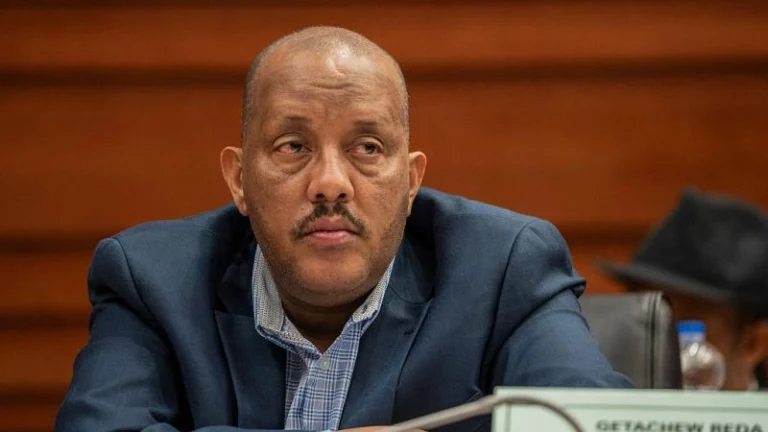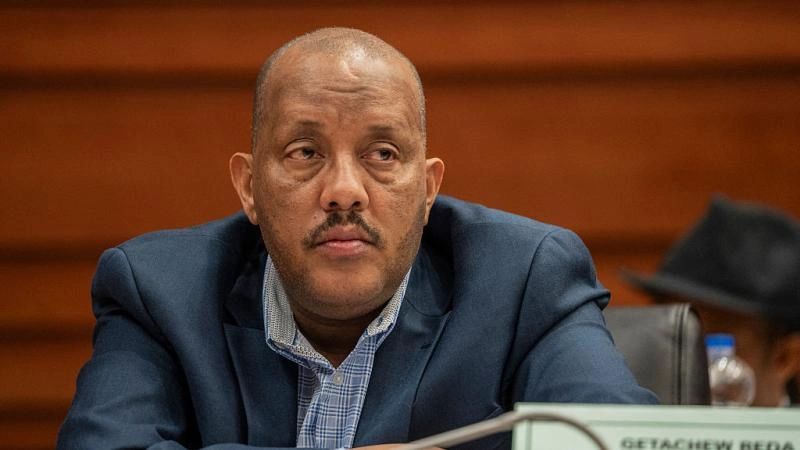
Egypt had financed the Tigray People’s Liberation Front (TPLF) during the northern Ethiopian war, which lasted from 2020 to 2022, Getachew Reda, the TPLF’s wartime spokesperson, abruptly revealed yesterday during a policy discussion in Addis Ababa.
Getachew is currently serving as an adviser to Prime Minister Abiy Ahmed on East African affairs. He was appointed president of the Tigray Interim Administration following the African Union-led Pretoria Cessation of Hostilities Agreement (CoHA) between the federal government and the TPLF. He later defected to the federal government amid a political rift within the TPLF.
During the war, the TPLF had asked Egypt for half a billion dollars but received only half a million dollars, Getachew recounted during a televised discussion. He added that he had proposed a smaller amount before the chairman instructed him to make the request.
Previously, the London-based think tank Chatham House reported Ethiopia’s accusation that Egypt had supported the TPLF during the war, although it did not provide supporting evidence.
Getachew’s latest revelation lends support to repeated accusations by the Ethiopian government against Egypt.
Egypt, Sudan and Eritrea
In his extended presentation on peace and security issues in Ethiopia and the Horn of Africa, Getachew accused Egypt, Sudan and Eritrea of forming an anti-peace and anti-Ethiopia axis. He further accused Eritrea of supporting armed non-state actors in Ethiopia, highlighting what he described as a miscalculation by the Eritrean regime that left Ethiopian troops positioned within five kilometres of the border.
According to Getachew, Eritrea’s lack of “strategic depth” means that the proximity of Ethiopian troops to its border is perceived by the Eritrean leadership as an existential threat.
TPLF fighters are currently fighting alongside the Sudanese army, led by General Abdel Fattah al-Burhan, for what Getachew described as a non-Tigrayan agenda. He cited this as evidence of Sudan’s involvement in anti-Ethiopia alliances.
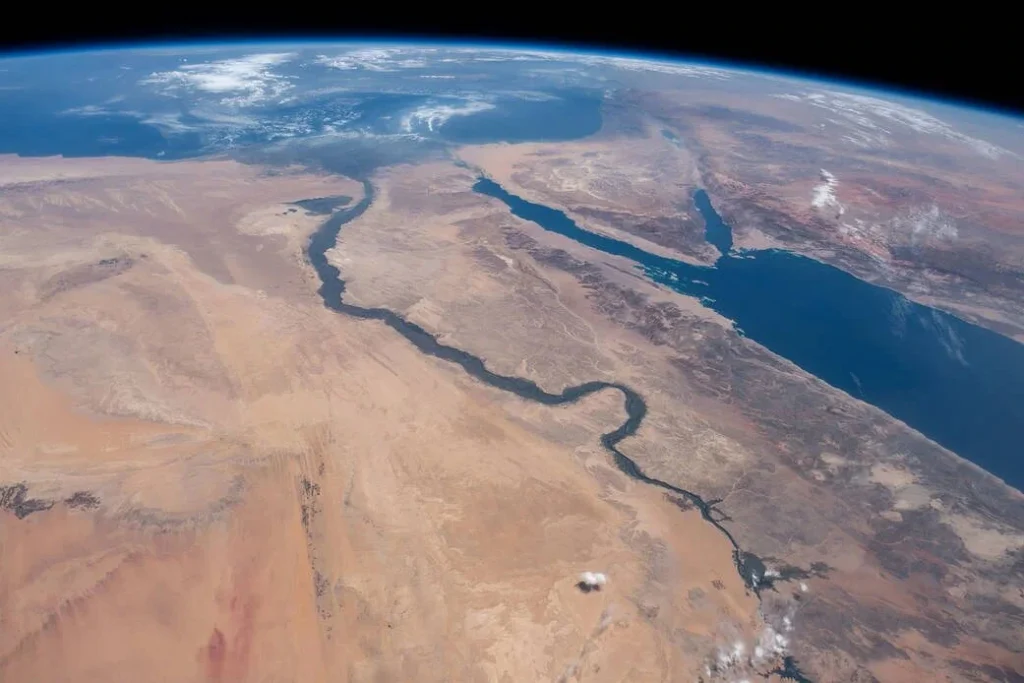
He also accused Egypt of seeking to fuel instability in Ethiopia and Sudan to advance its historical hegemony over the use of Nile waters.
Relations between Ethiopia and Egypt have been strained for years, particularly since the inception of the Grand Ethiopian Renaissance Dam (GERD). Tensions intensified following the dam’s completion last year after nearly 14 years of construction.
Egypt sought a role in the operation and management of the dam, which it did not build. Ethiopia opposed Egypt’s proposed role, insisting that it was the owner of the project. According to Getachew, fomenting instability is a strategic objective for Egypt because it impedes Ethiopia’s development.
The rivalry between the two countries extends beyond Nile water issues. It has also been shaped by competition for regional influence and Ethiopia’s demand for access to the Red Sea, according to Chatham House.
Egypt is increasingly positioning itself against Ethiopia. Cairo used a dispute between Ethiopia and Somalia following a 2024 agreement involving Somaliland and a proposed port deal as leverage to expand its security presence in Somalia, challenging the geographical advantage Ethiopia had previously enjoyed.
Ethiopia has repeatedly accused Egypt, Sudan and Eritrea of supporting armed groups within its borders, allegations that all three countries have denied.
Getachew said the alliance these countries helped form with domestic armed groups, including the TPLF, was “doomed to fail” and had ultimately failed, pointing to the TPLF’s defeat as the end of the war.
Red Sea and Blue Nile
Historically, Ethiopia’s relations with Eritrea, Sudan and Egypt have been complicated.
Eritrea’s secession from Ethiopia created a new geopolitical reality in the Horn of Africa, leaving Ethiopia landlocked. The two neighboring countries, which share cultural, religious and linguistic ties, have experienced a largely hostile relationship characterized by a state of “no peace, no war.”
The rapprochement between the two countries following Prime Minister Abiy Ahmed’s rise to power in April 2018 eventually soured after the end of the northern Ethiopian war. Relations deteriorated further, reaching what appeared to be an irreparable stage when the two countries announced the severing of diplomatic ties last month.
Ethiopia’s disputes with Egypt and Sudan over the Abay River, the largest tributary of the Nile, have persisted for decades. Sudan, which adopted a relatively accommodating position towards Ethiopia during the early stages of the GERD project under the regime of Omar al-Bashir, later shifted closer to Egypt.
According to the Carnegie Endowment for International Peace, Sudan’s alignment with Egypt is partly driven by concerns over Nile water security and the operation and management of the GERD. This alignment has also been reinforced by Sudan’s ongoing civil war, as Egyptian President Abdel Fattah el-Sisi has supported al-Burhan.
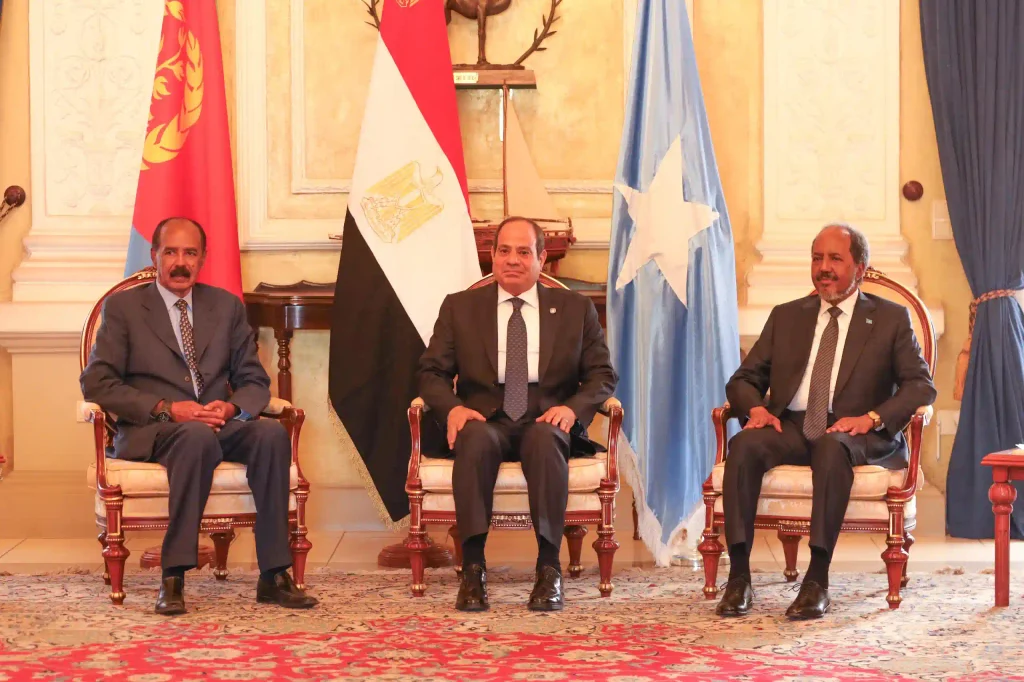
Eritrea, Egypt and Sudan have strengthened their alliance, particularly after Ethiopia made clear that access to the Red Sea was a matter of national survival and called on Red Sea littoral countries to pursue mutually beneficial negotiations.
Recently, the three countries held discussions in Egypt, where they reiterated that Red Sea littoral states bear sole responsibility for the sea’s governance and security.
Following the meeting, Ethiopia’s Ministry of Foreign Affairs opposed the position, saying that any discussions concerning the Red Sea and the Blue Nile must take Ethiopia’s interests into account.