The death toll from the Ebola outbreak in the Democratic Republic of Congo (DR Congo) has surpassed 5,000, according to government data released on Friday, as authorities struggle to contain the country’s deadliest Ebola epidemic on record.
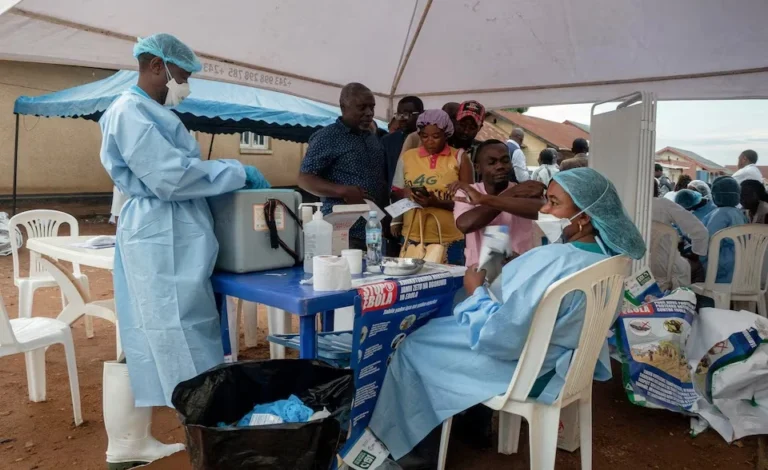
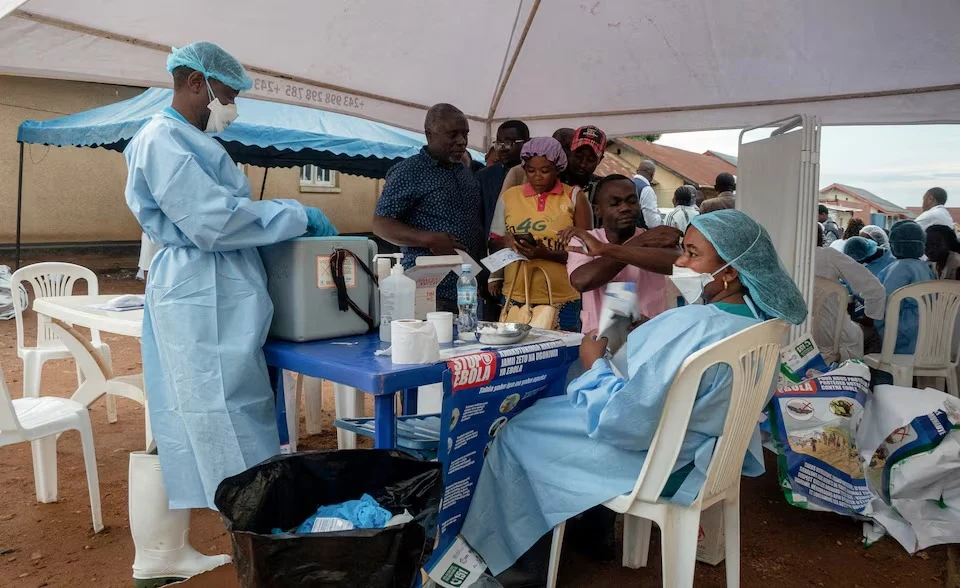
The outbreak is caused by the rare Bundibugyo strain of the Ebola virus, for which there are no approved vaccines or treatments. More than 10,000 people have been infected since the outbreak was declared in May, with delayed detection, armed conflict and overstretched health services hampering efforts to contain the disease.
Eight of the country’s 26 provinces have been affected, with many deaths occurring outside treatment centres, highlighting difficulties in detecting infections early and ensuring timely access to medical care.
The outbreak is the world’s second-largest Ebola epidemic on record, behind the 2014–2016 West African outbreak, which infected more than 28,600 people and killed over 11,000 across Guinea, Liberia and Sierra Leone.
The virus has also spread beyond DR Congo. Nigeria last week became the fourth African country to report a case linked to the outbreak, extending its geographic reach to West Africa.
Kenya has also reported infections, while Uganda recorded cases earlier in the year before declaring its outbreak over in August.
The spread of the virus across several countries has raised concerns about cross-border transmission and increased pressure on regional health authorities to strengthen surveillance, contact tracing and emergency preparedness.