Somalia is entering a critical phase in its efforts to rebuild state institutions and establish lasting security, following the conclusion of the United Nations’ dedicated political mission after more than three decades of international engagement.
The United Nations Transitional Assistance Mission in Somalia (UNTMIS) officially ended its mandate on October 31, 2026, marking the completion of a two-year transition designed to transfer greater responsibility for peacebuilding, governance and state-building to Somali institutions.
The decision, requested by the Federal Government of Somalia and endorsed by the UN Security Council in 2024, reflects Mogadishu’s ambition to assume greater ownership of its political and institutional affairs.
However, the transition comes at a time when Somalia continues to face significant political and security challenges, including the threat posed by Al-Shabaab, disagreements over constitutional and electoral processes, and persistent humanitarian needs.
While the UN’s dedicated political mission has ended, its wider presence in Somalia will continue through humanitarian, development and other agencies.
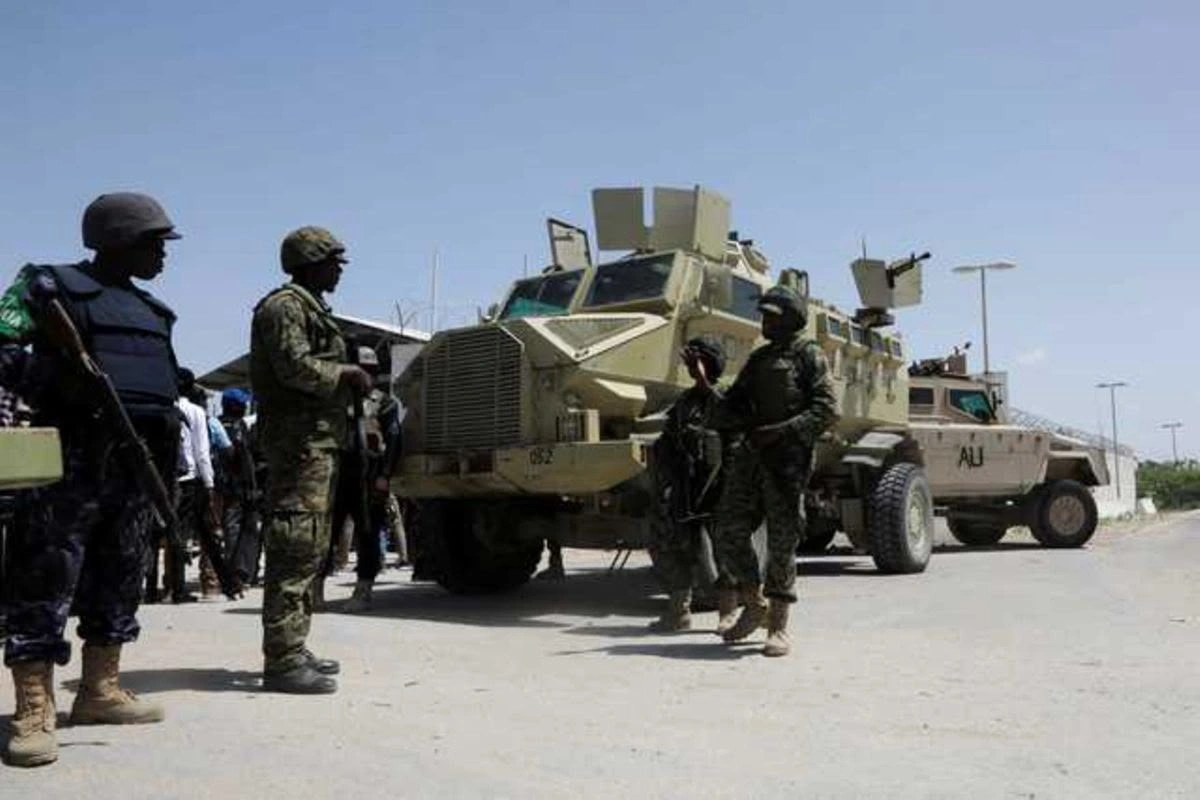
An uncertain future for the AU security mission
Beyond the UN political transition, questions are also emerging over the future of the African Union’s security engagement in Somalia.
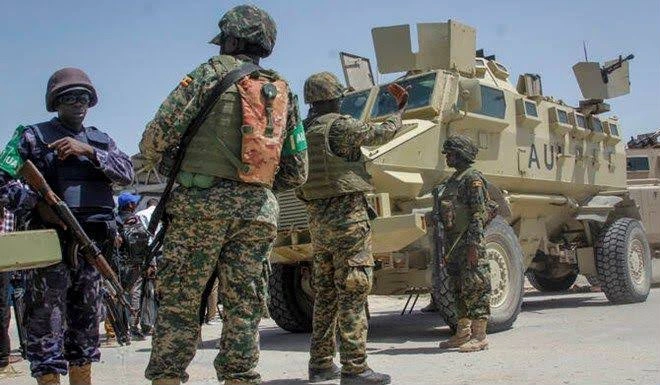
The African Union Support and Stabilisation Mission in Somalia (AUSSOM), which replaced ATMIS in January 2025, continues to support Somali security forces in their operations against Al-Shabaab.
However, its current UN Security Council authorisation expires on December 31, 2026.
The mission also faces financial and logistical challenges. The United States has indicated that it will not support the continuation of UN logistical assistance beyond the current authorisation, raising concerns about how the AU operation will be sustained.
Somalia and the African Union therefore face an important challenge: ensuring that any adjustment to international security support does not undermine efforts to strengthen Somali security forces.
A test of national ownership
The conclusion of UNTMIS and the uncertainty surrounding future arrangements for AUSSOM highlight a broader question about Somalia’s transition from international support towards greater national responsibility.
The challenge is not simply transferring responsibilities from international missions to Somali institutions. It is ensuring that national security forces, political institutions and federal authorities have the capacity and resources to sustain progress.
For the Horn of Africa, the outcome carries wider regional significance. Instability in Somalia has implications for neighbouring countries, regional security cooperation and efforts to counter violent extremism.
As Somalia enters this new phase, the key question is whether greater national ownership can translate into lasting political stability and security, or whether gaps in international support could complicate an already difficult transition.