Before China’s massive entry into the sector, railway infrastructure was considered a luxury in many African countries. While Europe, the US and Asia had long been driving on rail, the majority of Africans were far behind until China demonstrated that such connectivity was achievable in Africa. It did so by delivering turnkey projects across numerous countries on the continent.
Chinese companies build, fund, and deliver multi-billion dollar projects, mostly on schedule.
Historically, project funding was a major bottleneck for African nations wishing to build national infrastructures. This was primarily because pro-western institutions, including the World Bank and the IMF, often attached policy-shift preconditions to their loans. In contrast, China maintains a policy of non-interference in the internal affairs of African countries, and has funded key railway projects directly.
Dr.Jeilu Oumer, Academic Vice President at Addis Ababa University strongly agreed that China’s non-interference policy, and commitment to reflect African interests including at the UN is vital for peace, development and cooperation.
As of late 2025, sources indicate that China has built or upgraded over 10,000 kilometers of railways across the continent. The majority of these projects are funded by the Export-Import (Exim) Bank of China, representing an aggressive venture into modernizing African connectivity in the 21st century.
Dr.Jeilu said that initiatives China launched in
peace, development and economic sectors are significantly supporting African development.
“China is significantly involved in supporting the Africa countries’ industrialization, infrastructure and human resources development and so on.” he added.
In 2013, China launched the Belt and Road Initiative (BRI), which is strategically aligned with the AU’s Agenda 2063 and the African Continental Free Trade Area (AfCFTA) to coordinate execution plans for better continental integration. Railway connectivity remains the epicenter of the BRI, which has earned the endorsement of 53 African countries as of 2025.
With railways as a major component, China provided approximately $182.28 billion in loans between 2000 and 2023 for infrastructure development. This demonstrates a level of commitment to African infrastructure that has often surpassed traditional lenders like the World Bank.
The key rail projects, which was built by chinese companies and became already operational includes Addis Ababa-Djibouti, Mombasa-Nairobi standard gauge railway, Abuja-Kaduna railway, Benguela rail transit in Angola and Addis Ababa light railway respectively worth USD 4.5 billion, USD 3.8 billion, USD 500 billion, USD 1.8 billion and USD 475 dollar.

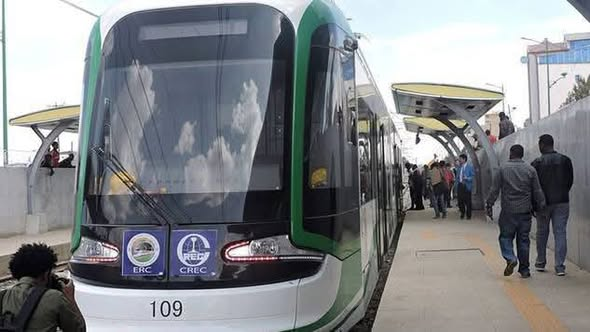
There are many more rail projects, which are yet to be operational across the continent. This include the 650 kilometers long gingiantic USD 20 billion worth Simandou railway in Guinea.
With new projects set for inception in 2026, China appears determined to satisfy the African appetite for modern infrastructure. Chinese state-owned enterprises, such as CCECC, China Railway Group (CRG), and CRCC, serve as the primary contractors for these ventures, which are largely financed by Chinese policy banks.
At a time when Western financial sources often attach conditionality to loans, China’s involvement has been a windfall for African countries seeking to realize mega-projects. China’s role has become indispensable to African infrastructure development from 2000 onwards, filling a void left by traditional lenders.
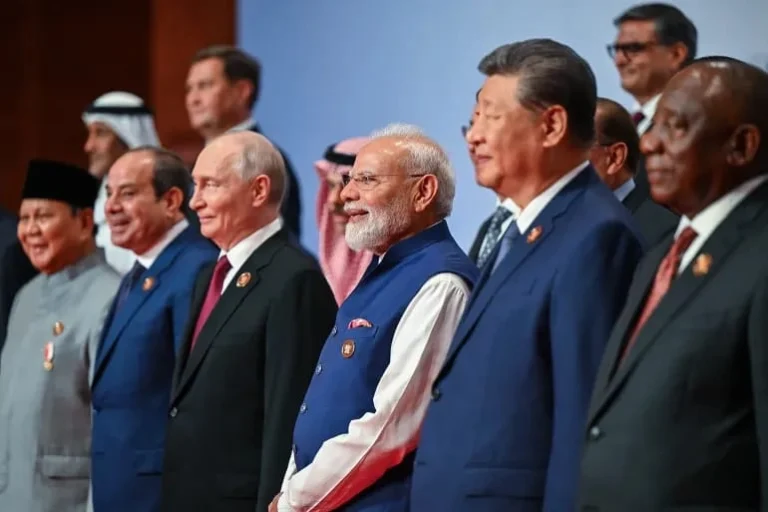
With a demographic spread consisting largely of youth, Africa demands high-paced, less bureaucratic funding and execution. This is exactly what China has provided since the early 21st century, leading to a faster expansion of African railway networks than ever before. Furthermore, as a founding member of BRICS, China has expanded both bilateral and multilateral cooperation with African countries to foster a collective stances.