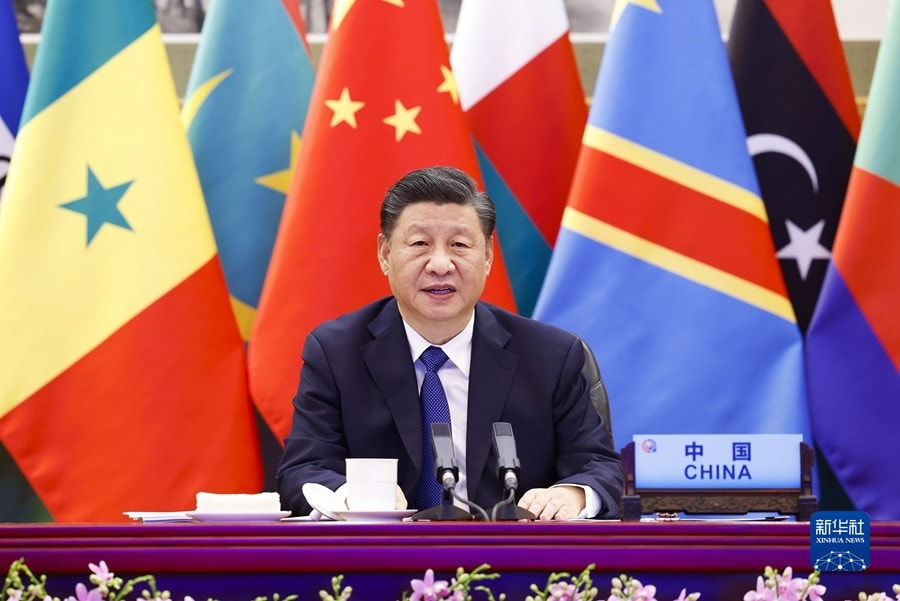
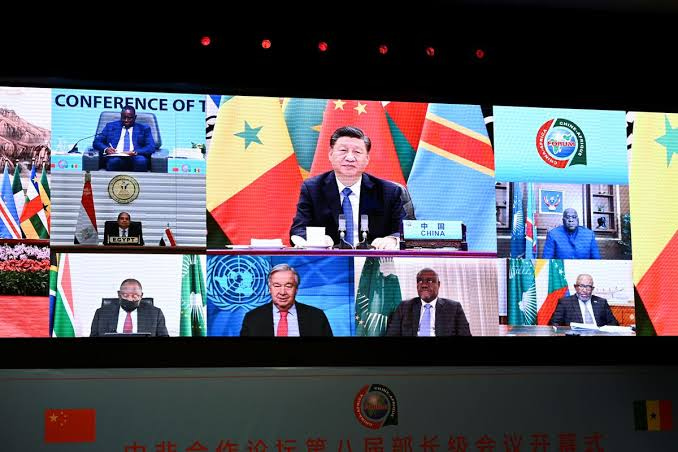
Five years after the Eighth Ministerial Conference of the Forum on China–Africa Cooperation (FOCAC) in Dakar, Senegal, China and Africa continue to deepen a partnership increasingly shaped by trade, investment, infrastructure and shared development ambitions. Beyond traditional sectors, this cooperation now extends into emerging frontiers such as digital transformation, artificial intelligence (AI) development and the global governance of AI.
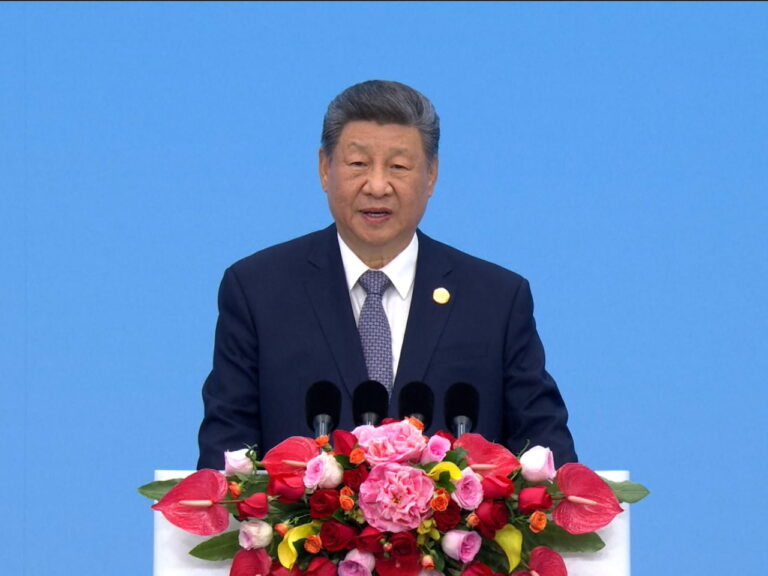
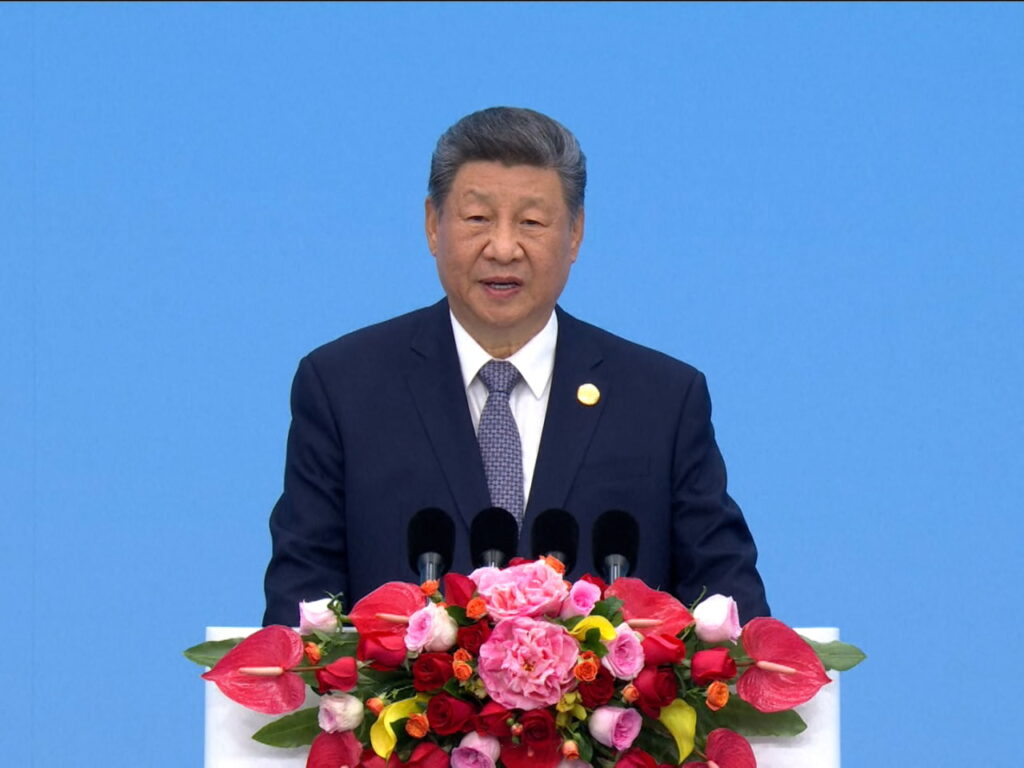
Addressing the conference on November 29, 2021, Chinese President Xi Jinping highlighted the historical foundations of the relationship, saying that China and Africa had “forged unbreakable fraternity in our struggle against imperialism and colonialism, and embarked on a distinct path of cooperation in our journey toward development and revitalization.”
Xi also underscored the principles underpinning the partnership, describing its foundation as “sincere friendship and equality, win-win for mutual benefit and common development, fairness and justice, and progress with the times and openness and inclusiveness.”
At Dakar, Xi announced nine programmes covering healthcare, agriculture, trade, investment, digital innovation, green development, capacity building, cultural exchanges, and peace and security.
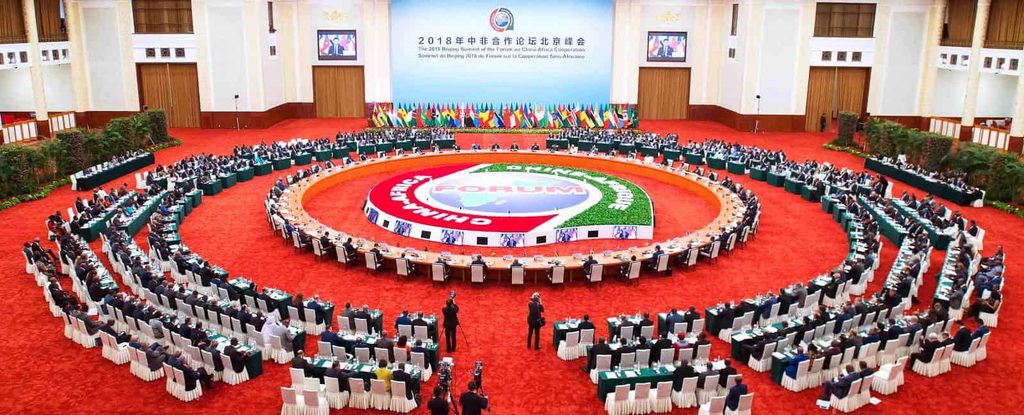
Three years later, the Ninth FOCAC Ministerial Conference, held in Beijing in 2024, provided an opportunity for China and African countries to review progress in implementing the Dakar commitments, renew their pledges and identify new priorities for cooperation. The meeting adopted the Beijing Action Plan (2025–2027), expanding the partnership’s focus to emerging areas such as artificial intelligence, digital transformation, industrial development and technology transfer, while reaffirming the shared commitment to advancing modernization and development across Africa and China.
Five years later, several developments demonstrate how this evolving partnership has translated into practical cooperation. One significant milestone is China’s expansion of zero-tariff treatment to all 53 African countries with which it maintains diplomatic relations, effective May 1, 2026. The measure builds on earlier arrangements for African least-developed countries and creates additional opportunities for African agricultural and manufactured products to access the Chinese market.
Infrastructure connectivity has also remained central to the partnership. A landmark example is the US$1.4 billion revitalisation of the 1,860-kilometre Tanzania-Zambia Railway (TAZARA), launched in November 2025. The project seeks to modernise the historic railway linking Dar es Salaam with Zambia’s Copperbelt, strengthening regional trade and transport connectivity.
In urban transport, China’s POWERCHINA has also delivered the second phase of Dar es Salaam’s Bus Rapid Transit system, inaugurated in August 2026. The project adds dedicated transport corridors and modern passenger facilities, demonstrating the importance of infrastructure cooperation in improving everyday mobility.
These developments, alongside numerous other initiatives across African countries, reflect the direction Xi outlined in Dakar: expanding market access, improving connectivity, advancing technological collaboration and supporting Africa’s development priorities.
Nevertheless, the ultimate measure of this partnership will be its contribution to African industrialisation, local employment, technology transfer and economic diversification. Expanding trade and infrastructure cooperation must also create opportunities for African industries, businesses and workers to participate more meaningfully in the continent’s economic transformation.
Five years after Dakar, China–Africa cooperation has moved beyond declarations to a growing portfolio of trade, digital and infrastructure initiatives. The next challenge is to ensure that these achievements translate into lasting prosperity for African countries and their people.
The continued role of FOCAC’s Ministerial Conferences will therefore be crucial in assessing progress, renewing commitments, identifying emerging priorities and ensuring that cooperation delivers tangible development outcomes for African countries.