As Russia scales up its mRNA cancer vaccine trials in February 2026, a second, more complex story is emerging: a global standoff over scientific data and the rise of “medical sovereignty.” While the Kremlin hails the vaccine as a humanitarian gift to its people, international health observers are raising flags about the speed of approval and the “fortress economy” model of its development.
Russian health officials, led by the Gamaleya Center, assert that the vaccine platform is no longer “experimental” but ready for human application. They claim pilot batches of Neooncovac (for melanoma) and Enteromix (for colorectal cancer) have already been validated for quality control and meet all national safety parameters.
The WHO and international oncologists emphasize that while Phase I and II results may show an immune response, Phase III trials (involving thousands of diverse patients) are the only way to prove a vaccine actually extends life. Currently, large-scale, published human data for the Russian vaccine is largely missing from international medical journals.
The Transparency Gap
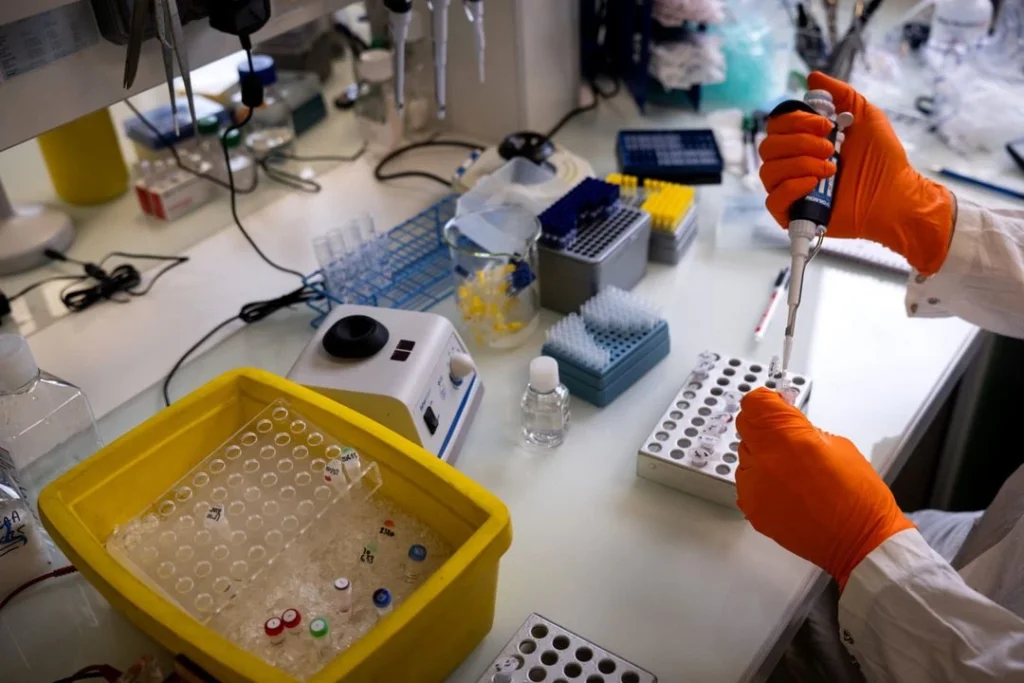
The primary criticism from the global scientific community isn’t the technology itself mRNA is a proven platform but the lack of peer-reviewed data.
Professor Kingston Mills, a leading immunologist at Trinity College Dublin, voiced a common concern: “Until we see data from a clinical trial, there has to be skepticism. A universal vaccine for all cancers is scientifically implausible.”
Much like the early days of the Sputnik V COVID-19 vaccine, the Gamaleya Center has released high efficacy claims (90%+) via state media and government press releases, but large-scale Phase III data remains largely absent from independent international journals.
Without multicenter trials in diverse global populations, experts at the WHO and Western regulatory bodies (like the EMA) remain skeptical of whether the results can be replicated outside of Russia’s state-controlled clinical environment.
“Accelerated” Approval
In January 2026, Russia utilized an accelerated regulatory framework to move the vaccine into clinical use.
Proponents argue that for terminal cancer patients, waiting 10 years for standard trials is a death sentence. Critics, however, warn that “shortcuts” in monitoring long-term side effects or the potential for AI-driven genomic errors could pose unforeseen risks to patients.
International bodies stress the importance of managing public expectations. They clarify that these are therapeutic vaccines (treatments for the sick), not preventive shots. They warn that “breakthrough” rhetoric can mislead patients into abandoning proven treatments like chemotherapy or surgery.