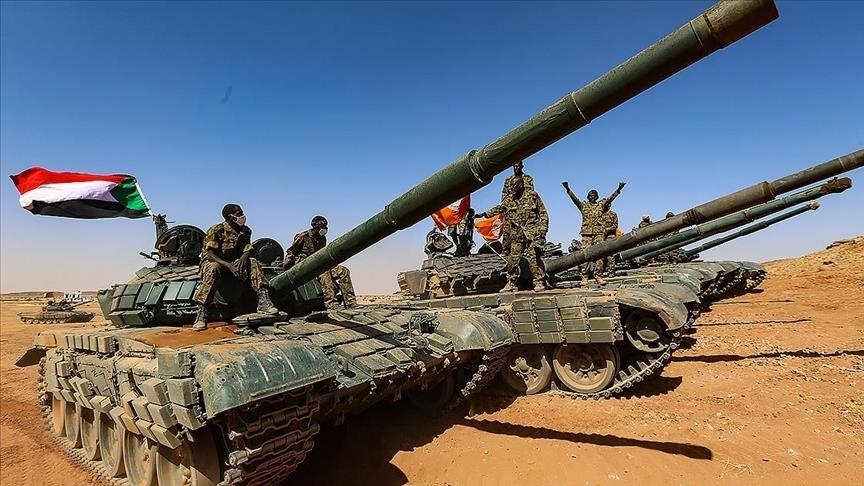
The Sudanese Armed Forces (SAF) have successfully recaptured the strategic Al-Sillik area in Blue Nile State, a vital garrison located near the Ethiopian border. The operation, which concluded today, January 28, 2026, marks a significant shift in the southeastern theater of Sudan’s ongoing civil war.
According to statements from the SAF’s 4th Infantry Division, the recapture followed heavy weekend clashes against a joint offensive by the paramilitary Rapid Support Forces (RSF) and their allies from the SPLM-N (Sudan People’s Liberation Movement–North), led by Abdel Aziz al-Hilu. Military commanders described the retake of Al-Sillik as a “well-planned operation” that dealt heavy losses to the opposing forces in both personnel and hardware.
Regional Stakes and Cross-Border Tensions
The significance of Al-Sillik goes beyond simple territorial gain. Located approximately 16km from Ulu in Bau County, the garrison sits directly on the corridor linking Sudan’s interior with the Benishangul-Gumuz region of Ethiopia.
The SAF has recently alleged that the RSF is utilizing training bases within Ethiopian territory, a claim bolstered by recent satellite imagery and intelligence reports. By securing Al-Sillik, the Sudanese army effectively cuts a primary supply route and disrupts a coordinated push aimed at the state capital, Ed Damazin. Military analysts believe the RSF offensive in Blue Nile was intended to divert SAF resources away from the fierce Kordofan front, where the army has also made recent gains.
Humanitarian Crisis Deepens
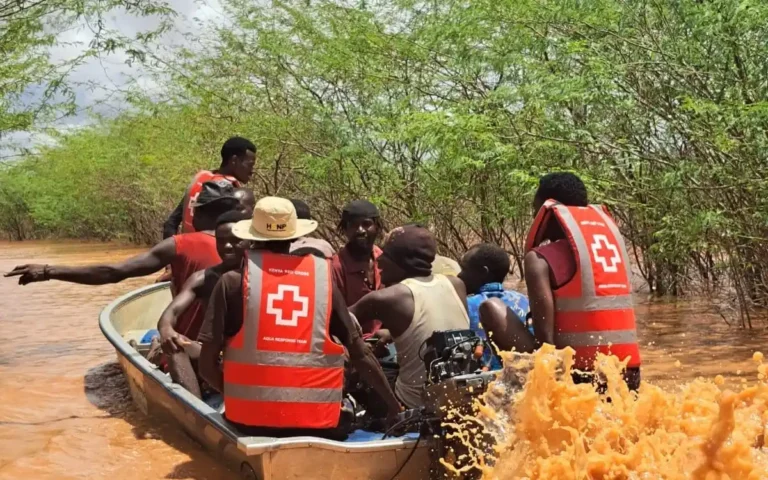
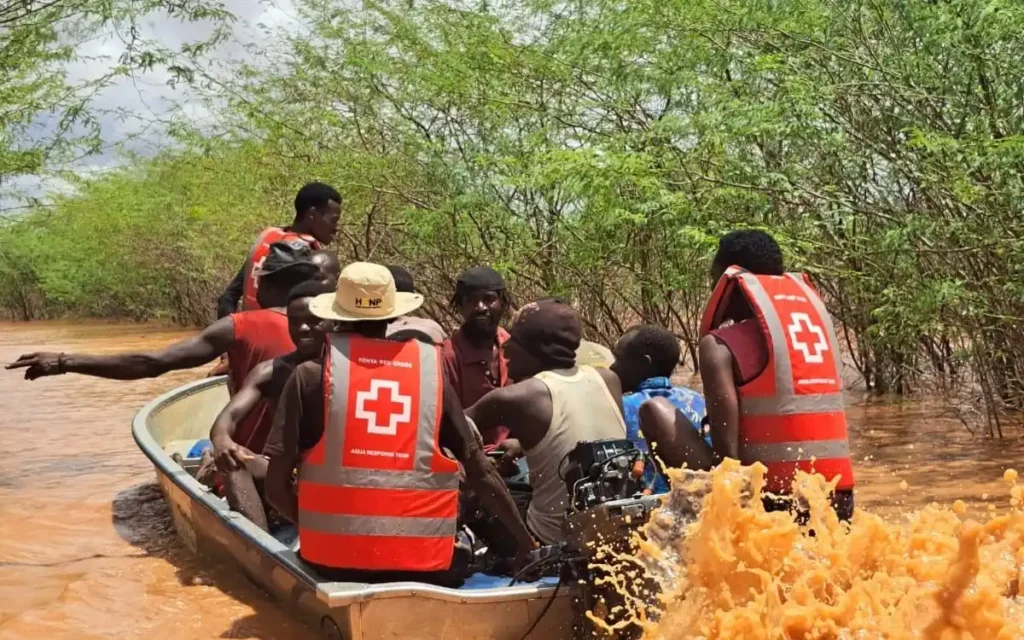
The cost of the renewed fighting has been high for the local population. Regional authorities report that the clashes in Bau County have displaced roughly 100,000 people, many of whom are now fleeing toward Ed Damazin and Sennar.
This displacement adds to an already catastrophic humanitarian situation in Sudan, which the UN now labels the world’s worst displacement crisis. As the conflict nears its third year, the proximity of these battles to the Ethiopian and South Sudanese borders raises urgent concerns in Addis Ababa and Juba regarding refugee flows and the potential for a wider regional spillover.