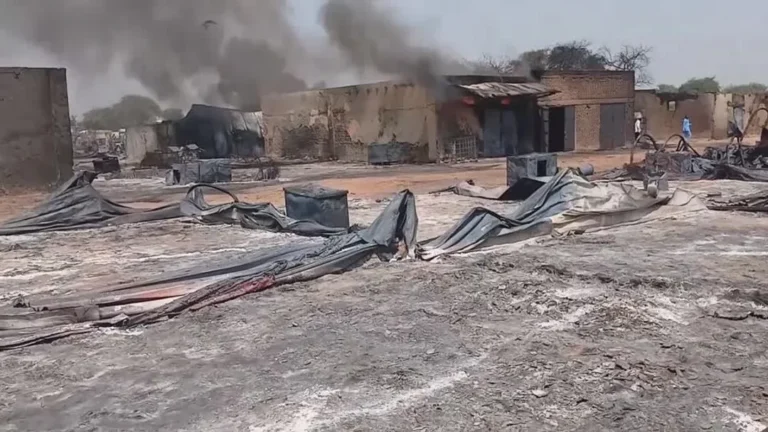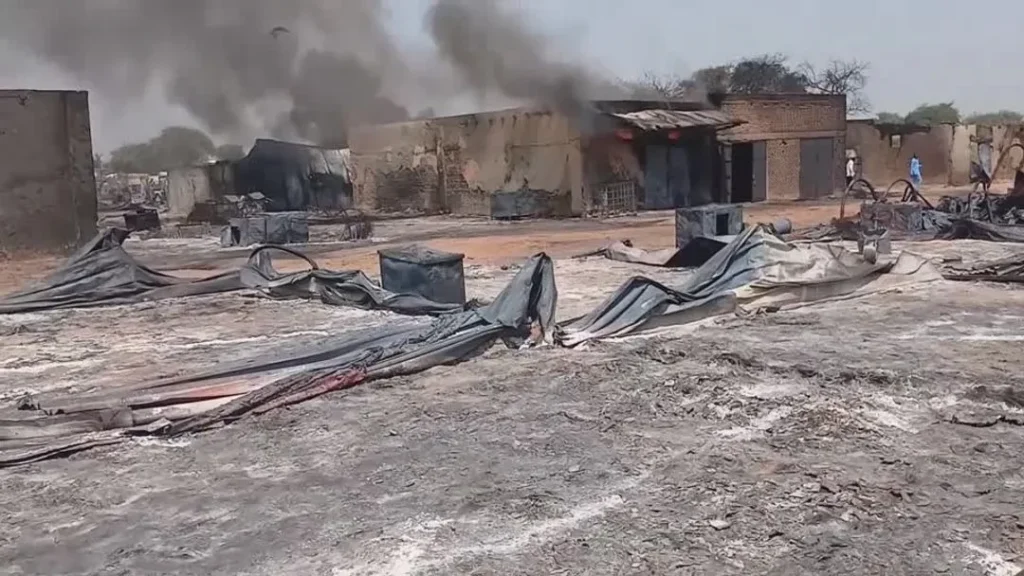
A senior United Nations official has warned that a severe funding shortfall could undermine efforts to respond to the worsening humanitarian situation in the Horn of Africa as the region faces the added threat of a strong El Nino event.
Rein Paulsen, director of the Office of Emergencies and Resilience at the UN Food and Agriculture Organization (FAO), said on Friday that governments across the region had response plans in place, but lacked the resources needed to put them fully into action.
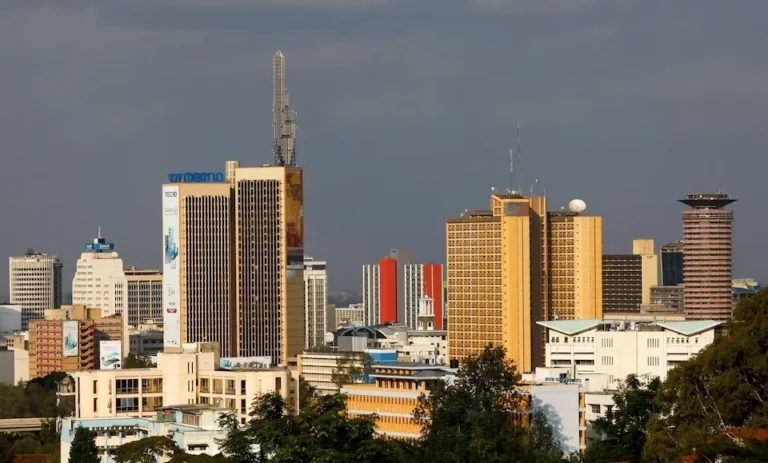
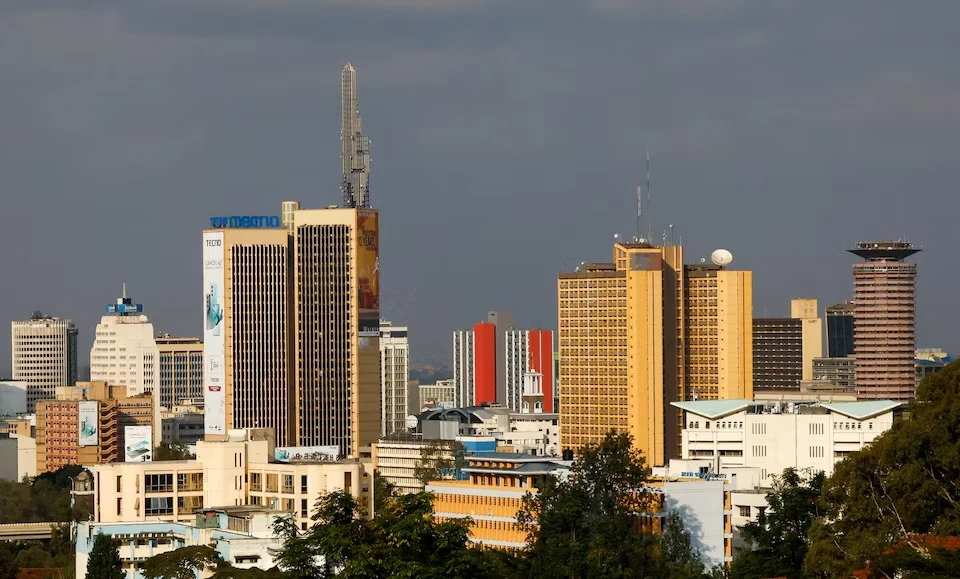
“Plans are in place, and actions are already being taken, but we need more financing and support to deliver,” Mr Paulsen told journalists in Nairobi after a fact-finding mission to Sudan.
Of the $193 million requested for FAO’s Sudan emergency and resilience portfolio under its 2026-2028 Emergency Response Plan, only $44.1 million has so far been received, Mr Paulsen said.
He urged stakeholders not to consider El Nino in isolation, but alongside ongoing conflicts, rising food prices and other pressures already affecting communities across the region.
To help mitigate the risks, FAO and the World Food Programme launched a joint anticipatory action plan on June 18 covering 22 priority countries across Africa, Asia and the Pacific, and Latin America and the Caribbean. The appeal seeks $202 million to protect 8.8 million vulnerable people across the 22 high-risk countries from extreme weather linked to El Nino.
“It is always more expensive to respond to a crisis than to mitigate its impact in advance,” Mr Paulsen said, calling on governments, humanitarian agencies and development partners to prioritise monitoring and early action.
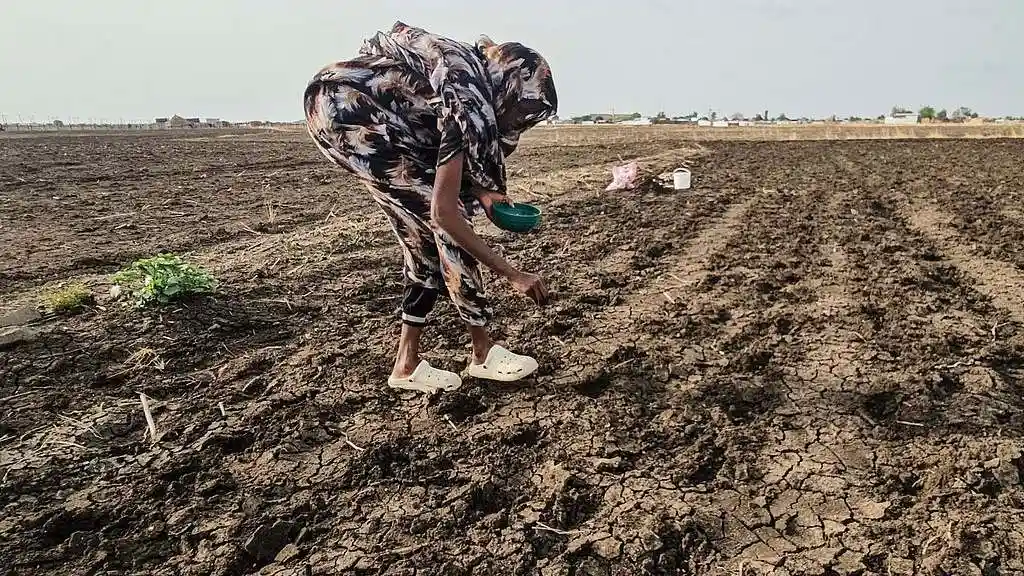
He said FAO was supporting Sudanese farmers by introducing drought-resistant seed varieties suited to local climate conditions, expanding irrigation to reduce dependence on rain-fed agriculture, conducting nationwide livestock vaccination campaigns, and securing livestock feed and water supplies.
The measures form part of wider efforts to strengthen resilience in communities already facing conflict, food insecurity and economic pressure.
The World Meteorological Organization said in its latest update that El Nino is expected to strengthen into a very strong event, peaking towards the end of 2026, with a nearly 100 per cent likelihood of persisting through February 2027.
For countries already struggling with conflict and food insecurity, the warning underscores the importance of securing funding and taking preventive action before extreme weather adds further pressure to an already fragile humanitarian situation.