Afro insight | November 2025
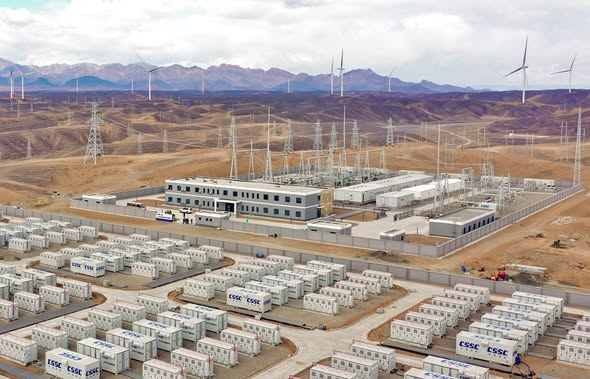
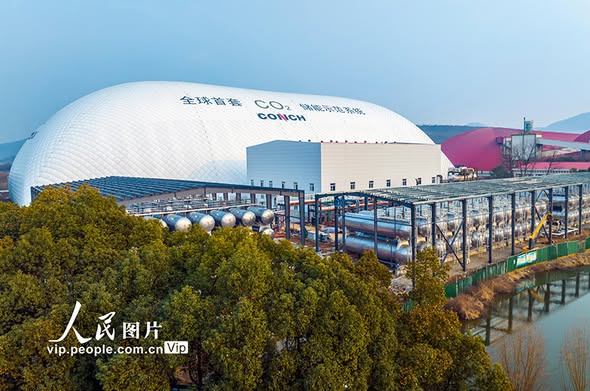
China has reached a major milestone in its clean energy journey, solidifying its global leadership in renewable innovation. According to the National Energy Administration (NEA), the country’s installed capacity of new-type energy storage exceeded 100 million kilowatts (100 GW) by the end of September 2025, accounting for over 40 percent of the world’s total.
The figure marks a 30-fold increase since the end of 2020, highlighting China’s rapid progress in building a greener and more flexible energy system.
What “New-Type Energy Storage” Means
In China’s energy policy, “new-type energy storage” refers to advanced storage technologies beyond traditional pumped-hydro systems.
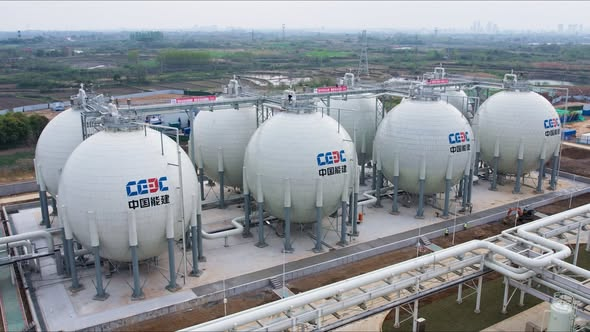
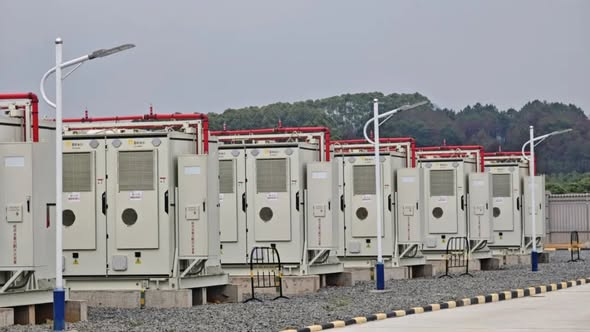
These include battery energy storage systems (BESS) mainly lithium-ion and flow batteries as well as compressed-air and hydrogen-based storage solutions.
These systems are essential for stabilizing electricity grids as renewable energy sources like wind and solar expand across the country.
Global Leadership in the Energy Transition
China’s achievement reflects both policy determination and technological strength.
With over 100 GW of capacity, the nation now leads the world in deploying large-scale energy storage – a key component of integrating renewables into national power grids.
Officials say China plans to further increase its new-type energy storage capacity to 180 million kilowatts by 2027, according to a joint action plan from the National Development and Reform Commission (NDRC) and the NEA.
Why It Matters
• Supports renewable integration: Energy storage smooths fluctuations from wind and solar power, ensuring grid stability and consistent electricity supply.
• Boosts industrial innovation: Rapid growth in storage promotes advances in battery manufacturing, system design, and recycling technologies.
• Strengthens climate goals: It supports China’s broader targets of peaking carbon emissions before 2030 and achieving carbon neutrality by 2060.
Challenges Ahead
Despite impressive growth, analysts note that most of China’s current storage systems are short-duration (2–4 hours).
Future innovation will need to focus on long-duration storage – 10 hours or more – to better balance renewable variability and enable deeper decarbonization.
Integration into power markets is also a key challenge, requiring new pricing mechanisms and grid reforms to maximize the benefits of storage technologies.
Implications for Africa
For countries such as Ethiopia, where renewable energy potential is vast, China’s success provides valuable lessons.
Energy storage can help African nations manage renewable fluctuations, stabilize grids, and expand access to clean power.
Partnerships with Chinese firms could support local storage projects, technology transfer, and knowledge sharing as African economies advance their own green transitions.
A Global Turning Point
China’s rise as the world leader in energy storage marks a significant step toward a cleaner global energy landscape.
By combining rapid industrial growth with ambitious climate action, the country is setting the pace for others to follow in the global race toward a low-carbon future.