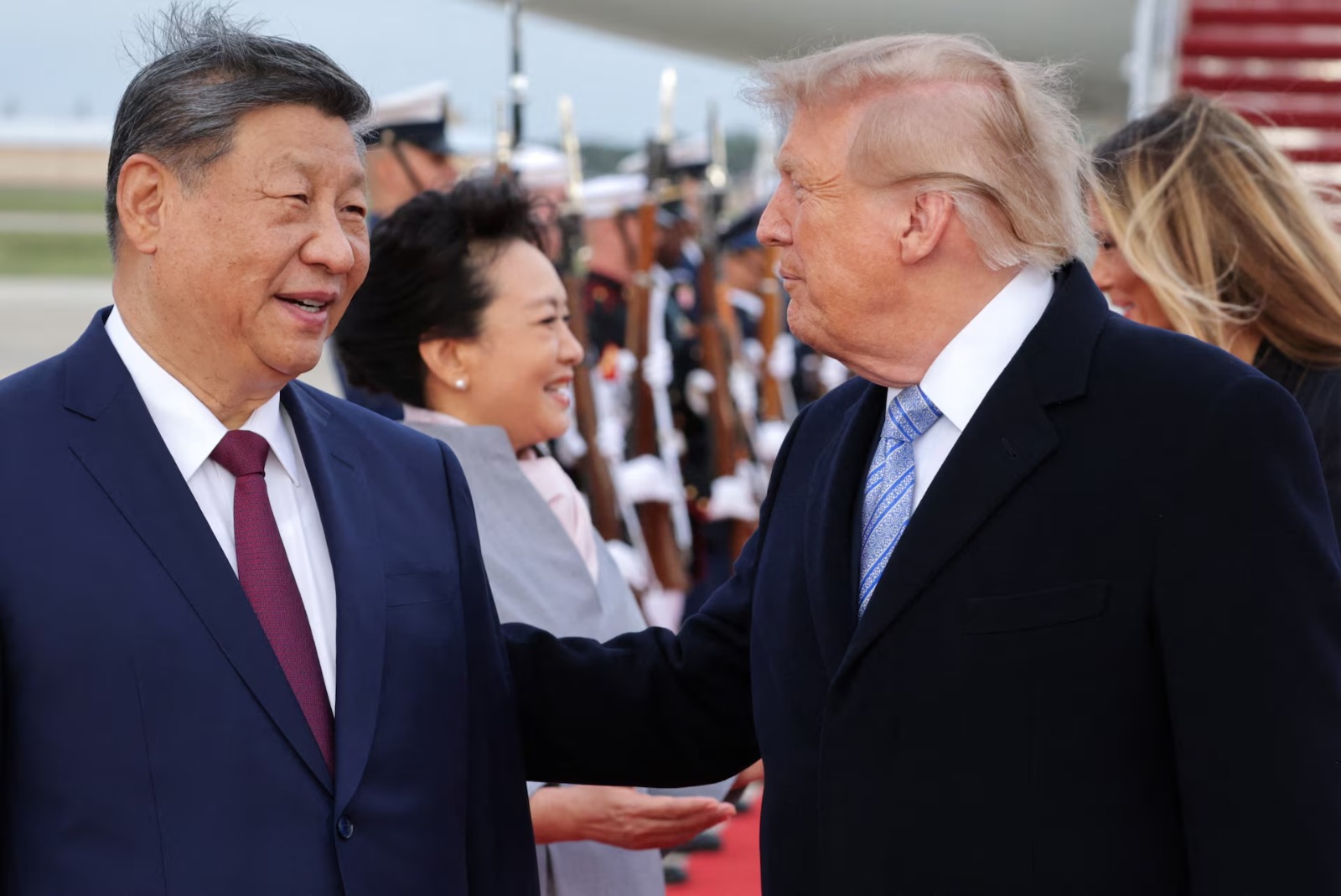
China and the United States have agreed to reduce tariffs on $30 billion worth of goods and launch a new dialogue on artificial intelligence following Chinese President Xi Jinping’s visit to Washington.
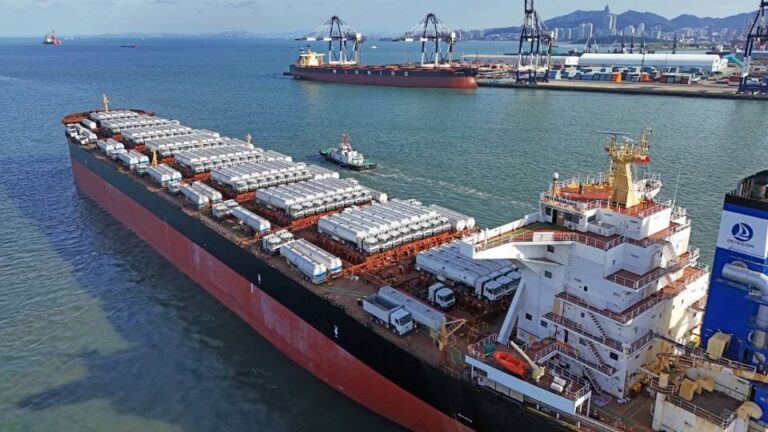
According to Reuters, the agreement covers non-sensitive goods traded in both directions. The tariff reductions would apply to US exports to China, including agricultural products, wood and cosmetics, as well as Chinese exports to the United States, including small appliances, toys and decorative items.
The three-day summit between Xi and US President Donald Trump ended on Friday, with the two sides also agreeing to establish a trade council and continue the outcomes of earlier talks held in Kuala Lumpur. Xi has since returned to Beijing, China’s state news agency Xinhua reported on Saturday.
The agreement comes after the world’s two largest economies extended their existing trade truce by two months. The truce had been due to expire on November 10, giving the two countries more time to work toward a potentially broader trade agreement, US Treasury Secretary Scott Bessent said.
The White House said the two countries had reached a consensus on recommendations for more favorable tariff treatment for $30 billion worth of non-sensitive goods in each direction.
Chinese Foreign Minister Wang Yi described the visit as an important step in strengthening China-US relations. He said the talks had helped maintain overall stability in bilateral ties and opened a new chapter in relations between the two countries.
AI Dialogue
Trade was not the only major issue discussed during the summit. China and the United States also agreed to hold talks on the risks and benefits of artificial intelligence, with the next round of discussions scheduled for November.
The two countries will also establish a communication channel for dealing with incidents related to AI, according to the White House and China’s Foreign Ministry.
The White House said Xi and Trump had agreed to use the term “super intelligence” instead of “artificial intelligence.” In a separate statement, China’s Foreign Ministry said Beijing welcomed Washington’s use of the new term.
The Chinese ministry said that as AI technology continues to develop, the two countries should increase exchanges and work toward greater consensus based on new technological developments.The two sides also agreed to support each other in hosting major international meetings, including the Asia-Pacific Economic Cooperation (APEC) leaders’ meeting and the Group of 20 summit.
On foreign policy, Xi and Trump agreed that Iran should fulfill its commitment not to develop nuclear weapons. The two sides also said that no country or entity should impose transit tolls on international waterways.