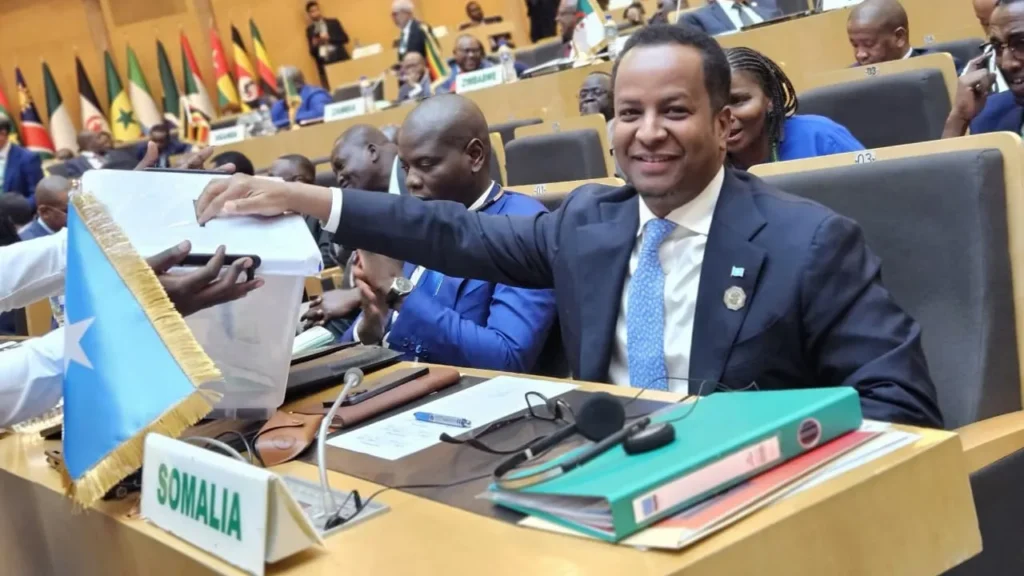
In what has been described as a “stunning diplomatic resurgence,” Somalia has been elected to the African Union Peace and Security Council (AUPSC) for the 2026–2028 term. The historic vote, held during the 39th Ordinary Session of the AU Assembly, marks the first time in decades that Somalia will sit on the continent’s premier decision-making organ for conflict resolution and regional stability.
Somalia’s seat on the AU Peace and Security Council (AUPSC) isn’t just a win for Mogadishu; it is a strategic victory for a coalition that includes Egypt and Eritrea.
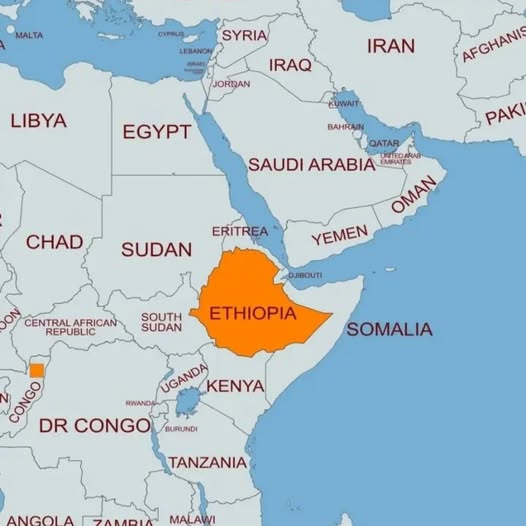
Backed by Egypt, a new diplomatic consensus is emerging that argues only countries with a coastline should govern Red Sea security. By holding a seat on the AUPSC, Somalia is now in a position to institutionalize this “littoral-only” policy, directly challenging Prime Minister Abiy Ahmed’s quest for permanent naval access.
With Egypt recently joining a security pact with Somalia and Eritrea and even pledging military personnel Somalia’s new AU power is seen by some analysts as a “proxy” win for Cairo in its ongoing tensions with Ethiopia over the Grand Ethiopian Renaissance Dam (GERD).
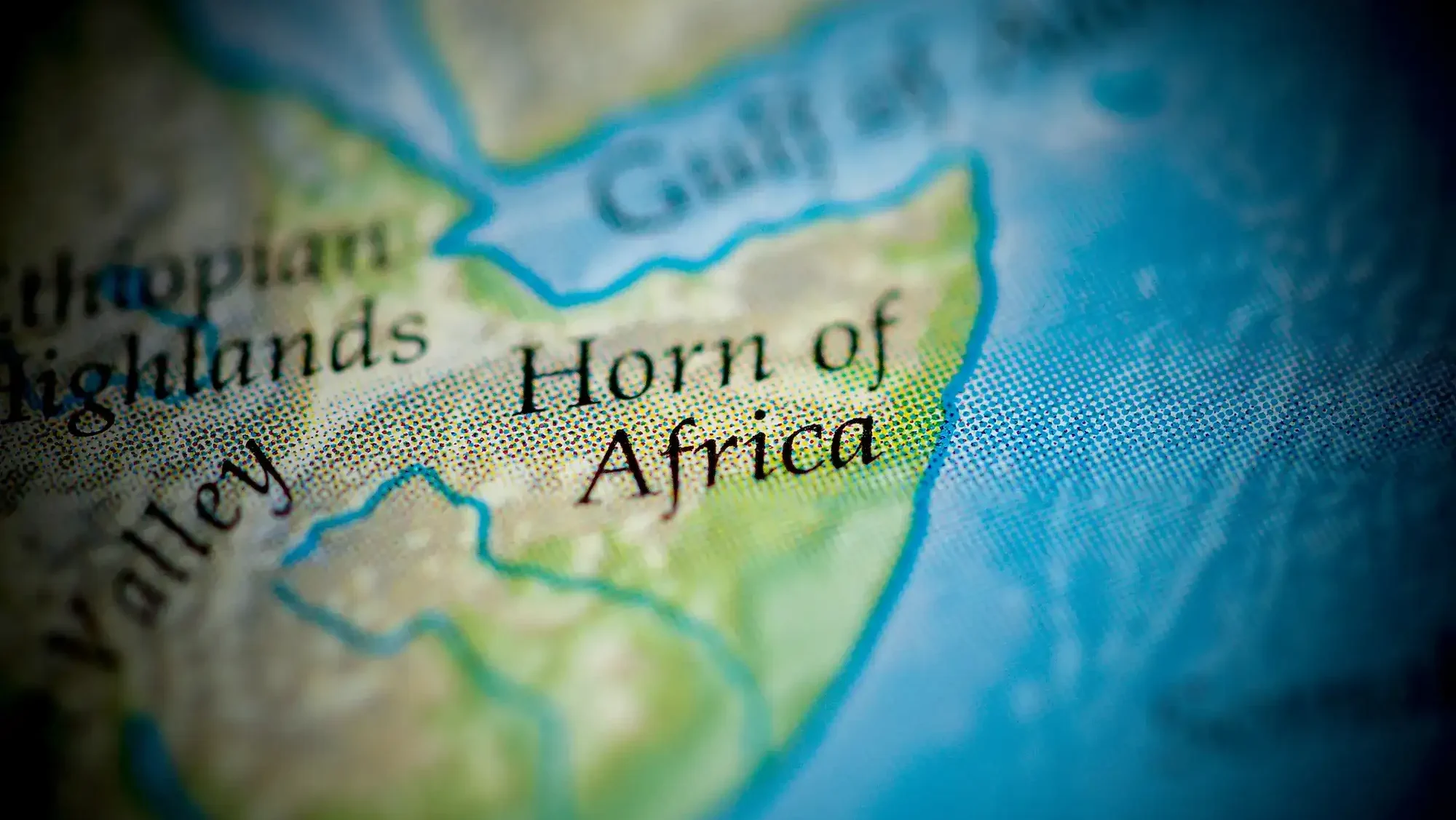
While the AU Assembly officially reaffirmed Somalia’s territorial integrity, the Somaliland factor remains the elephant in the room.
Following Israel’s recognition of Somaliland in late 2025, the Horn of Africa has become a theater for global middle-power competition. Somalia’s election to the AUPSC is being used by Mogadishu to rally the continent against “unilateral recognitions,” effectively using its new AU authority to build a diplomatic wall around the Ethiopia-Somaliland MoU.
Critics point out a paradox: while Somalia sits on the continent’s top security body, its domestic house remains divided. Key federal states like Puntland and Jubaland remain at odds with Mogadishu, leading some to question whether Somalia can effectively lead African security when its own electoral and federal models are still under fire.
As the African Union transitions its mission in Somalia (AUSSOM) toward a full handover to local forces, this seat on the Council ensures that Somalia’s voice will be central to the exit strategy and the future of Horn of Africa.