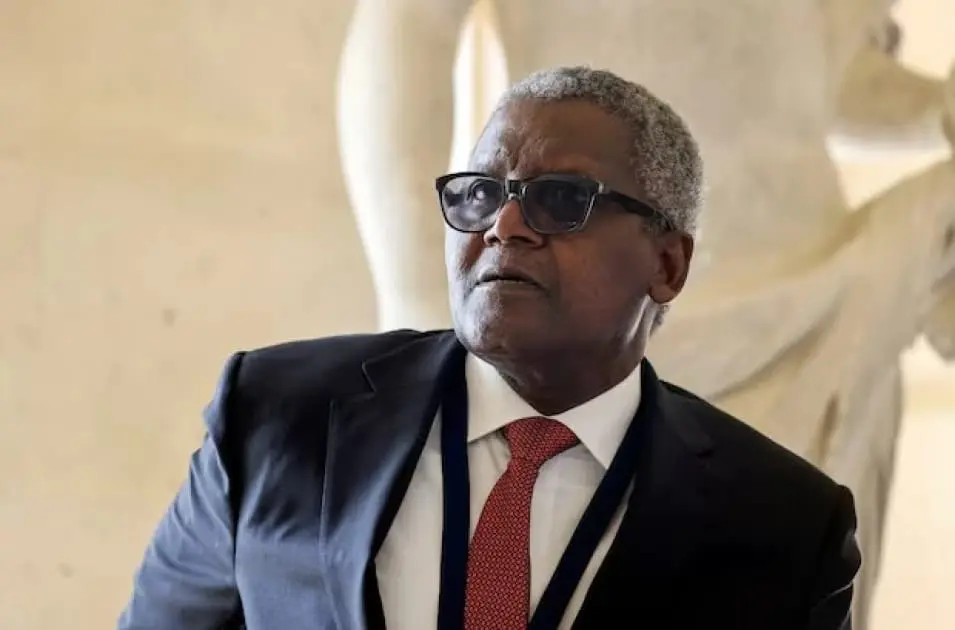
Ugandan diplomat and former senior United Nations official Olara Otunnu has entered the race to become the next UN secretary-general, becoming the seventh candidate seeking to succeed Antonio Guterres when his second term ends at the close of this year.
Otunnu, 75, was formally nominated by Uganda in a letter sent on Friday to the presidents of the UN General Assembly and the Security Council. He previously served as a UN under-secretary-general and as the organisation’s special representative for children and armed conflict.
The next UN chief will inherit an organisation facing mounting pressure to reform its costly and complex bureaucracy, reduce duplication among its agencies and restore its influence amid growing global crises.
In his vision statement, Otunnu called for continued institutional reforms and pledged to prioritise efforts to help resolve major international conflicts. He also proposed establishing a body to oversee the UN’s work on artificial intelligence and called for stronger action on climate change while ensuring that efforts to address global warming do not undermine economic development.
Seven candidates now in the race
The other candidates are Rafael Grossi of Argentina, director-general of the International Atomic Energy Agency; former Chilean President Michelle Bachelet; Rebeca Grynspan, former vice president of Costa Rica; Maria Fernanda Espinosa, former foreign affairs and defense minister of Ecuador; Carolyn Rodrigues-Birkett, former foreign minister of Guyana; and former Senegalese President Macky Sall.
The selection process is expected to begin in earnest this week, with straw polls in the 15-member Security Council likely to help narrow the field. Additional candidates can still enter the contest.
Diplomats say there is no clear frontrunner, although there is growing support for the view that Latin America should provide the next UN leader and for the appointment of the organization’s first woman secretary-general.
The final choice will also depend heavily on whether a candidate can secure the support of all five permanent members of the Security Council — China, France, Russia, the United Kingdom and the United States — each of which holds veto power.