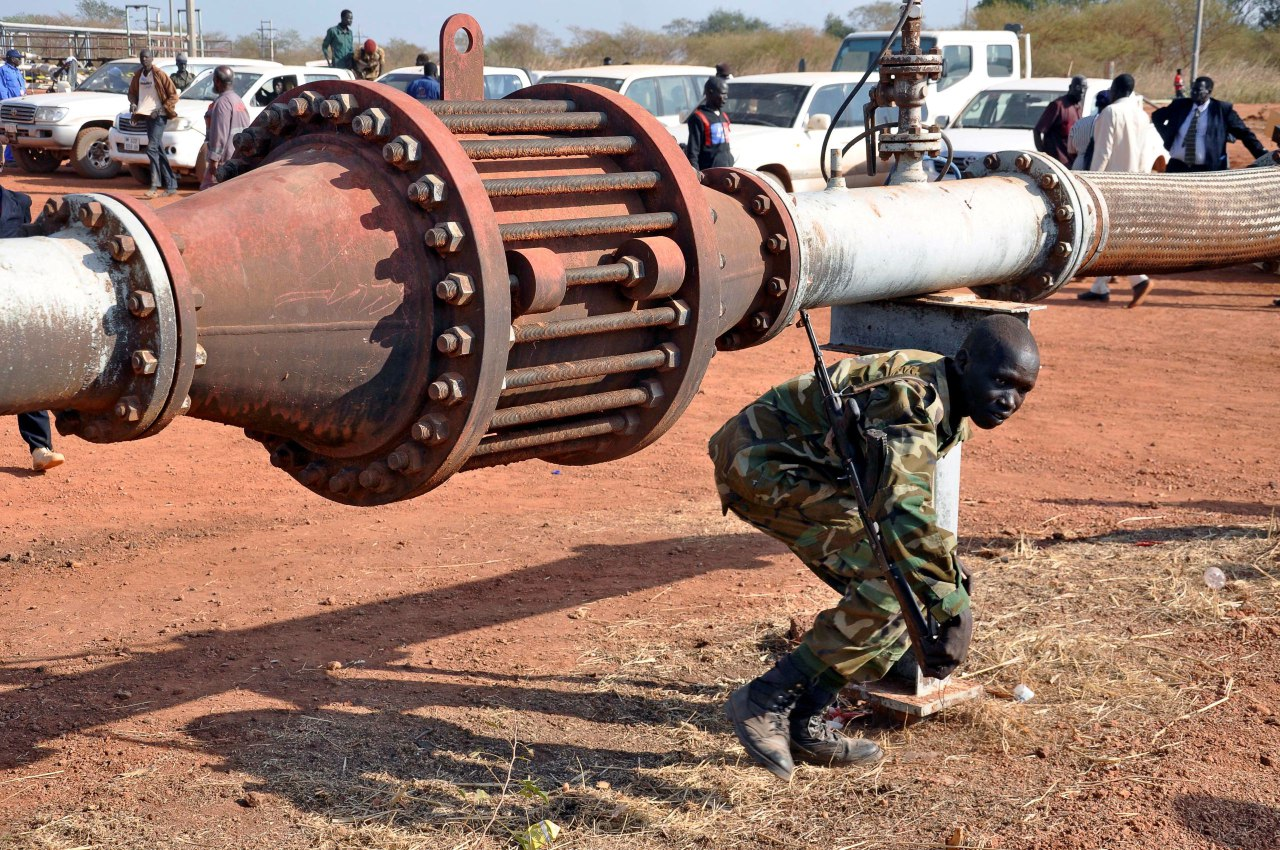
Afro Insight News – A fresh wave of violence in Sudan has struck at the heart of one of East Africa’s most important energy lifelines the oil corridor that carries South Sudan’s crude to global markets. A deadly drone strike on the Heglig Oil Field has not only cost lives, but has also triggered a chain of shutdowns and emergency measures that now threaten the stability of an entire region.
A Targeted Strike With Far-Reaching Consequences
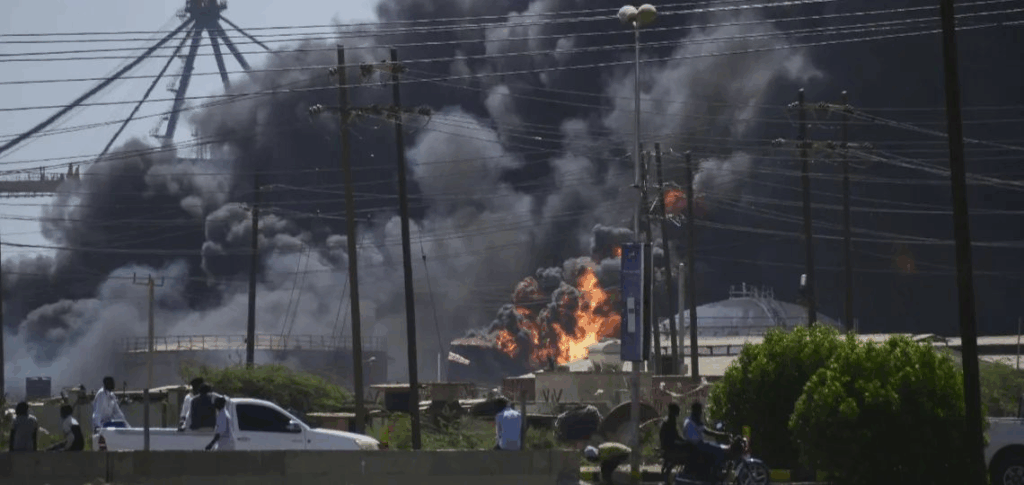
The attack occurred earlier this week when three missiles, reportedly fired from an unmanned aerial vehicle, hit key facilities inside the Heglig Oil Field one of the most strategic hubs in Sudan’s petroleum network. The strike damaged the field’s maintenance workshop and laboratory, igniting fires and sending workers fleeing for safety. Several employees were killed, and operations immediately ground to a halt.
PETCO, the company operating the field, declared force majeure in the aftermath, citing both the physical damage and the heightened security risks faced by its workers and assets.
But the shockwaves didn’t stop there.
Shutdowns Spread Across the Pipeline Network
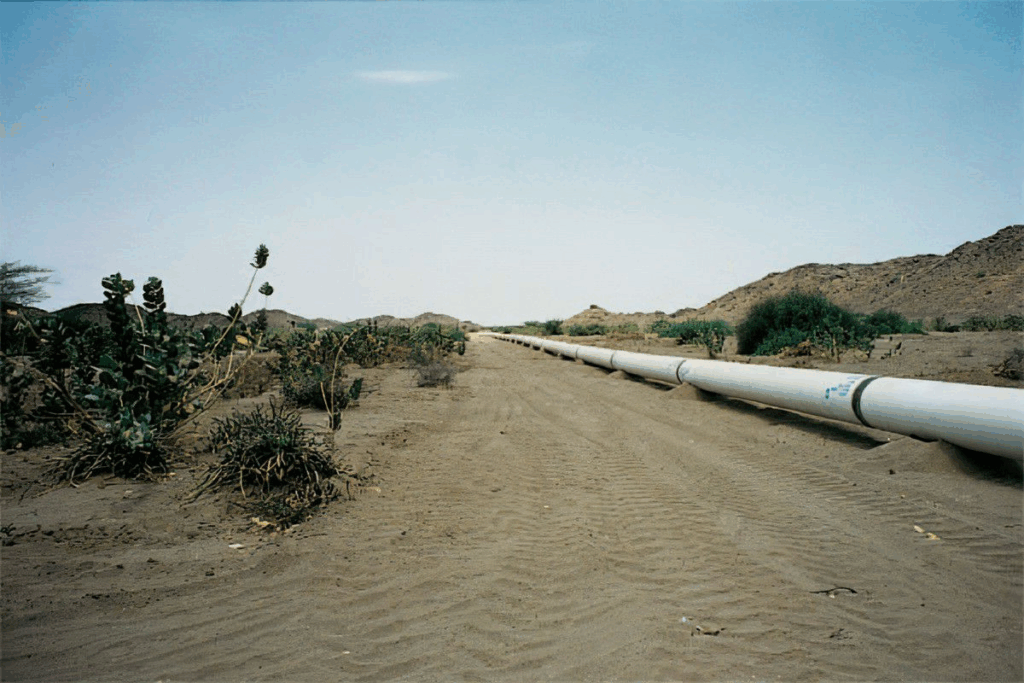
Shortly after the Heglig attack, the Bashayer Pipeline Company (BAPCO) which manages the transportation of crude towards Port Sudan also initiated a full shutdown of its trunk line. The company reported security threats near its Al-Jabalain processing plant and power station, prompting managers to take precautionary action to protect both staff and infrastructure.
What began as a single strike has now evolved into a wider disruption across the corridor, raising alarms among analysts, traders, and regional governments.
A Fragile Economic Lifeline at Risk
For South Sudan, this corridor is nothing short of an economic lifeline. More than 90% of its national revenue comes from oil exports pumped north through Sudan’s territory. Any extended shutdown directly threatens the government’s ability to pay salaries, import goods, and maintain essential services.
For Sudan, which is already battling political turmoil and a prolonged conflict, transit fees from South Sudanese oil represent a vital source of foreign currency. Losing this revenue would further strain a country already on the edge of economic collapse.
Energy specialists warn that if the shutdown continues, both nations could face deeper fiscal crises, heightened inflation, and worsening humanitarian conditions.
Infrastructure as a Battlefield
The drone strike highlights a growing trend in modern conflicts: energy infrastructure is no longer off-limits. Pipelines, refineries, and oil fields once protected assets have become deliberate targets, used to pressure governments, disrupt economies, and influence negotiations.
In Sudan’s case, control of these corridors plays directly into the balance of power in a war that has already displaced millions.
Human Lives Behind the Headlines
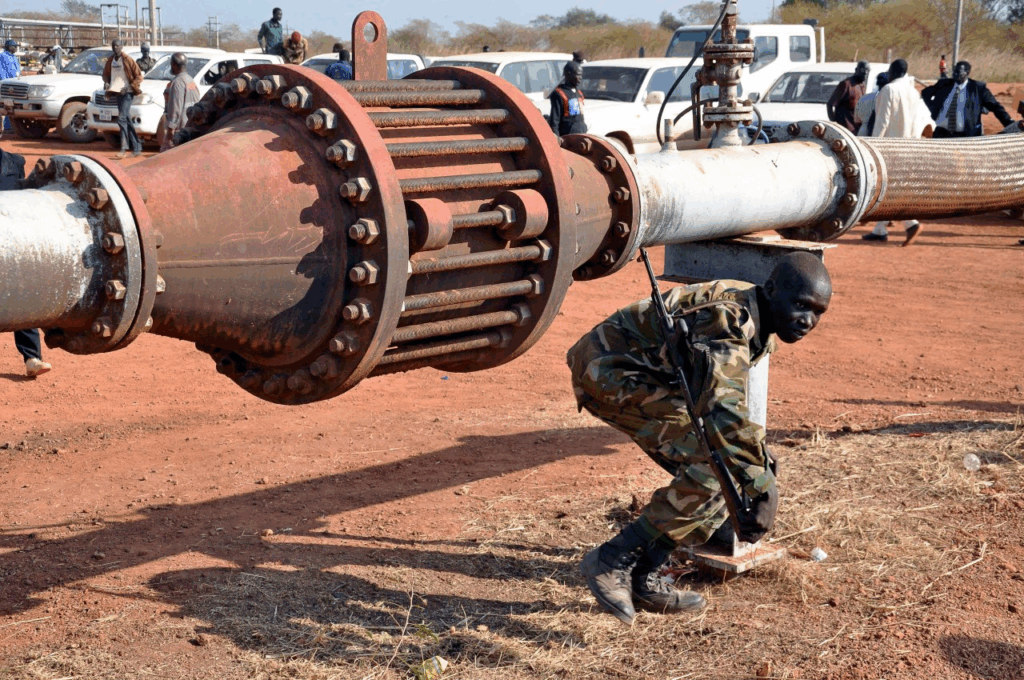
While the economic and geopolitical implications are immense, the human cost remains at the center of this crisis. The workers who lost their lives in Heglig were technicians and engineers simply doing their jobs. Dozens more have been forced to flee for their safety, leaving families worried and operations abandoned.
A Warning for the Region
The disruption of this critical oil artery is more than a temporary setback it is a warning that the region’s energy security is deeply intertwined with its political stability. As long as the conflict continues and strategic assets remain vulnerable, the risk of further escalation remains high.
Regional leaders, international partners, and multilateral organizations may now face renewed pressure to intervene diplomatically before the economic fallout spreads further.