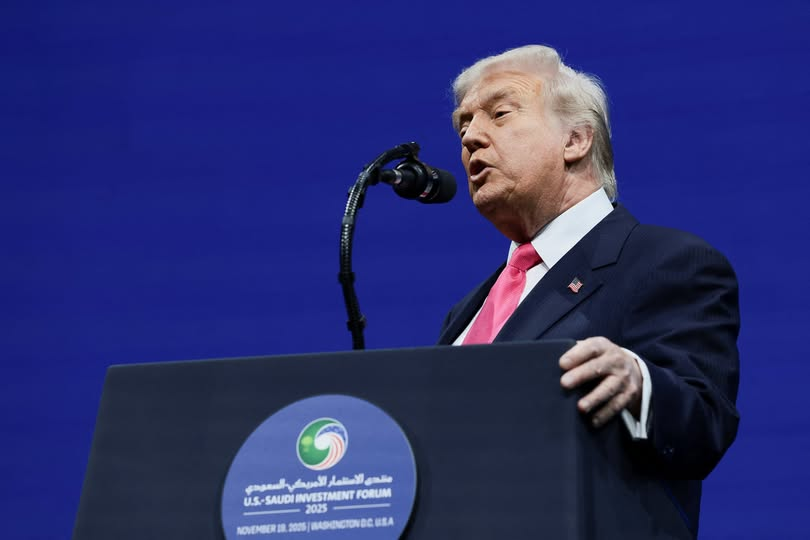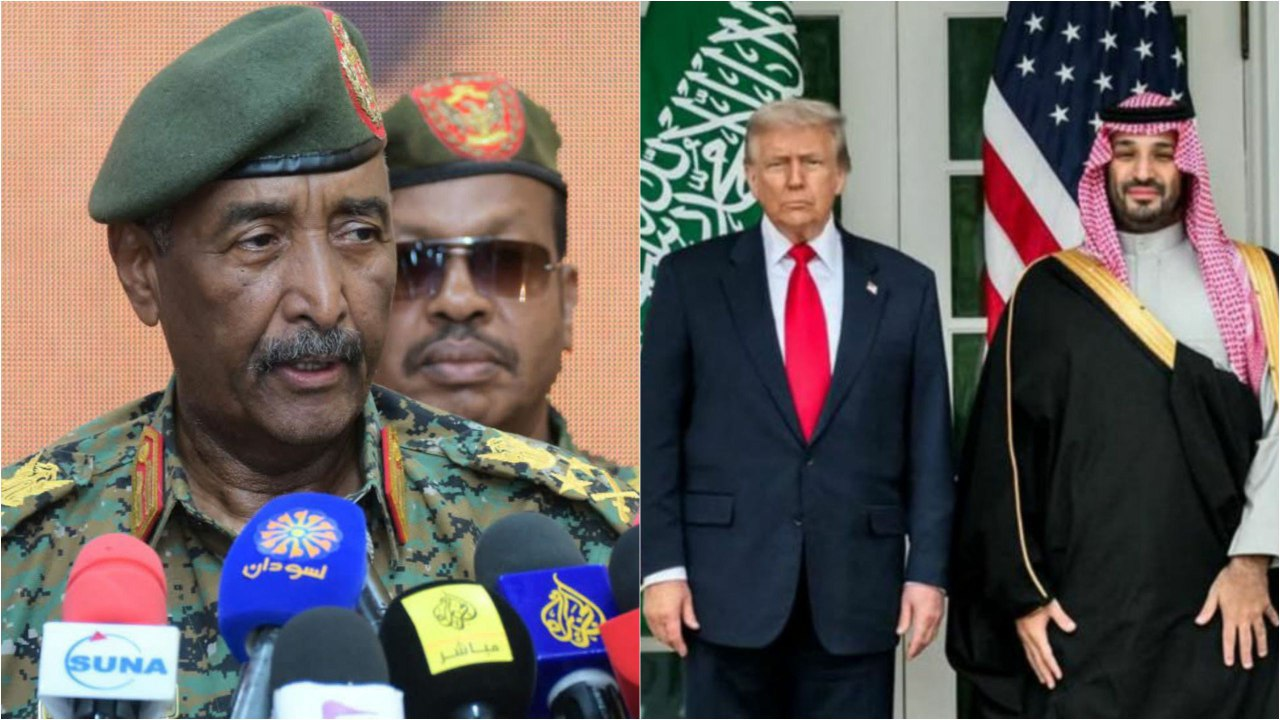
Sudan’s Sovereign Council, led by army chief Abdel Fattah Abdelrahman Al-Burhan, has announced its readiness to work with the United States and Saudi Arabia to help end the war in Sudan. In its statement, the council expressed gratitude to both countries for their continued efforts to halt the violence and affirmed its commitment to engaging seriously in peace initiatives. The announcement follows U.S. President Donald Trump’s signal that he is prepared to cooperate with Saudi Arabia, the United Arab Emirates, and Egypt in resolving the fighting between Sudan’s military and the Rapid Support Forces (RSF).
AU Welcomes Engagement but Insists on African Leadership
The African Union also addressed this development in a statement by Commissioner Bankole Adeoye, referencing the quadrilateral initiative involving the U.S., Saudi Arabia, Egypt, and the UAE in mediating peace. While acknowledging the initiative, the AU emphasized the need for an African-led solution to an African problem and highlighted the need for finding a durable and structural settlement. The AU reiterated its call for a comprehensive and unconditional ceasefire that would open space for political dialogue among all parties and eventually lead to a lasting peace.
It is worth noting that the AU’s concerns regarding external involvement align with remarks by U.S. officials, such as Secretary Rubio, who referenced allegations of UAE support for the RSF, claims that Emirati authorities continue to deny. Analysts, however, highlight an additional dimension of concern, emphasizing that while Trump’s commitment to supporting peace initiatives is significant, historical patterns suggest his engagement may wane if tangible progress is not achieved promptly. This raises questions about the sustainability and consistency of Washington’s involvement, particularly in the event of delays or unforeseen obstacles.
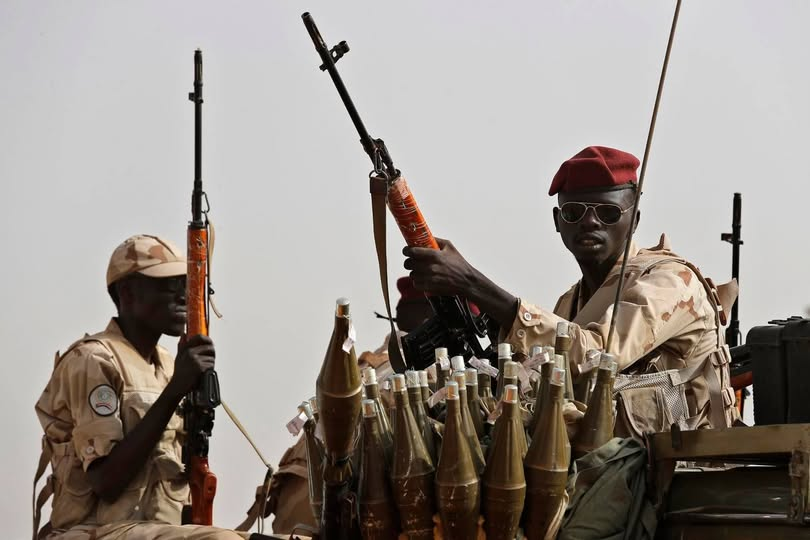
Further uncertainty persists over which entity would be responsible for overseeing and enforcing any future truce agreement. Another recent report from Africanews also shows that the European Union has imposed sanctions on a senior leader of Sudan’s paramilitary Rapid Support Forces (RSF) over what it described as “grave and ongoing atrocities.”
This move reflects the African Union’s position, voiced shortly after the U.S. initiative, that any peace-brokering efforts must also ensure accountability and prevent impunity for atrocity crimes. However, the action could be seen as a potential hurdle by former U.S. President Trump, who has previously criticized the EU for what he considered misaligned positions on the Russia-Ukraine conflict. Moving forward, for the sake of the Sudanese people, US’s initiative represents a cautiously welcomed opportunity for renewed hope.