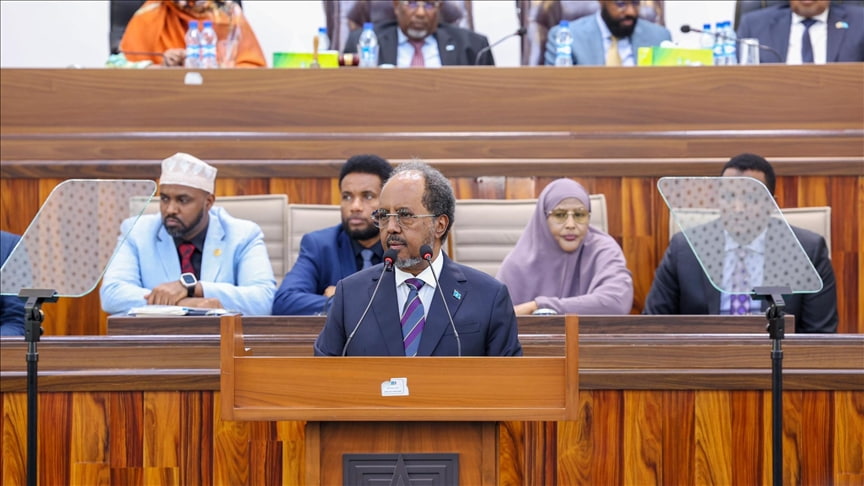
In a historic and controversial constitutional overhaul, Somalia has officially transitioned from a parliamentary system, where power was shared between a President and a Prime Minister, to a full Presidential System. This move marks the most significant structural change in Somali politics in over two decades.
Why the Change?
The administration of President Hassan Sheikh Mohamud argues that the dual-executive system was a primary source of political instability.
Historically, frequent fallouts between Somali Presidents and their Prime Ministers have paralyzed the government for months. Consolidating power under a single executive is intended to end this “two-headed” leadership crisis.
With the country engaged in a high-stakes war against Al-Shabaab, the government maintains that a presidential system allows for faster, more cohesive military and political decisions without the friction of a divided executive.
What the New Structure Looks Like
Under the approved amendments:
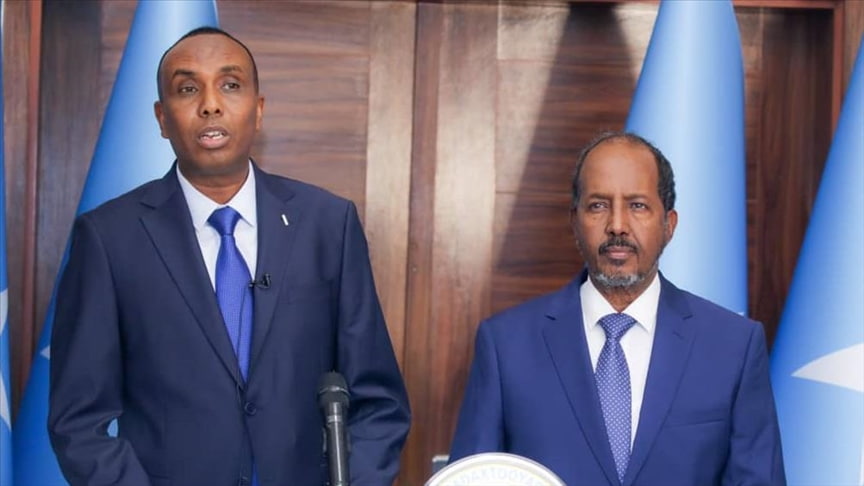
- The President is now both the Head of State and the Head of Government.
- While the title remains, the role has been significantly downgraded. The PM is now an appointee of the President, serving as a “Corporate Chief” or assistant rather than an independent power broker.
- Previously, the Prime Minister was primarily accountable to Parliament. Now, the PM and the Cabinet serve at the pleasure of the President, centralizing executive authority.
The shift has faced fierce pushback from several regional states and veteran politicians.
Critics, including the semi-autonomous state of Puntland, argue that this move dismantles the federalist spirit of Somalia. They fear it paves the way for a return to the centralized autocracy seen during the Siad Barre era.
Puntland has already announced it will act as an independent state until the federal government returns to a consensus-based constitutional process, threatening the very unity the new system aims to achieve.