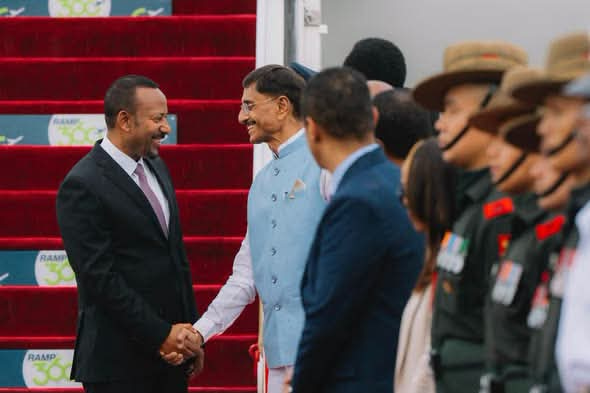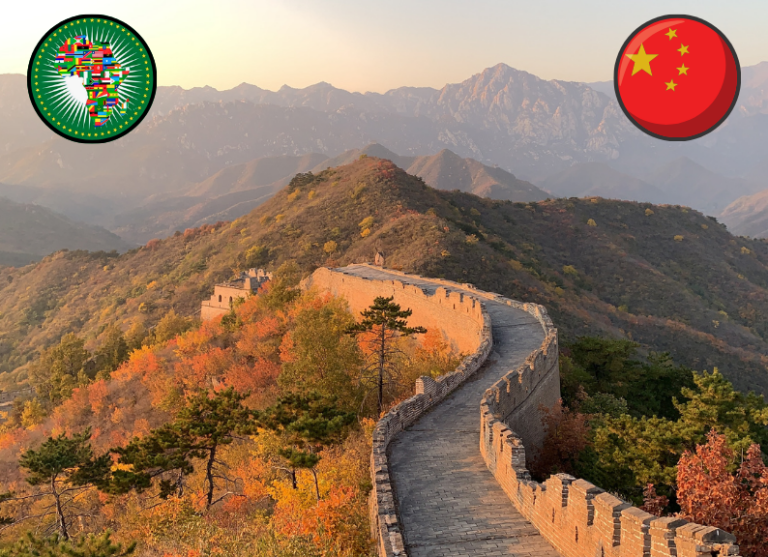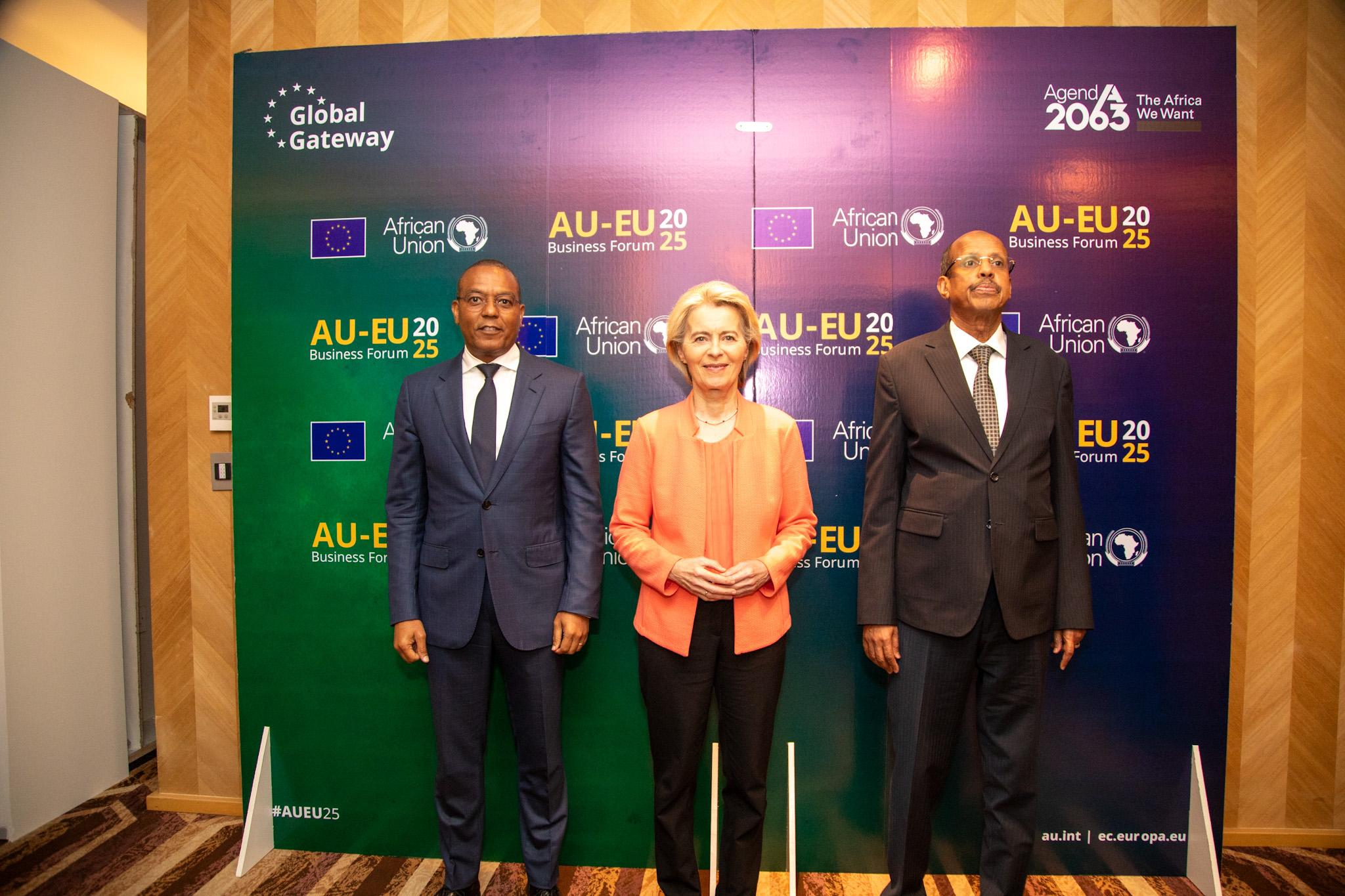
The EU–Africa Summit was held in Luanda, Angola, marking the first gathering since the COVID-19 pandemic. The 25 years long partnership was born in April 2000 with the first Africa–Europe heads-of-state summit in Cairo, which laid the foundation for the Joint Africa–EU stage. This platform brings together leaders from all AU and EU member states to set shared political and economic priorities.
This year’s summit concluded after two days of discussions, focusing on debt restructuring, debt sustainability, and a just energy transition, in line with the G20 consensus.
Trade and infrastructure were central topics on Luanda, with the Lobito Corridor cited as a strategic project to transport critical minerals from the DRC and Zambia. Africa emphasized local processing, while the EU stressed alignment with clean energy standards. Other agenda items included peace and security, with Ursula von der Leyen also highlighting intercontinental trade as a key tool to help Africa transition away from unsustainable dependencies.
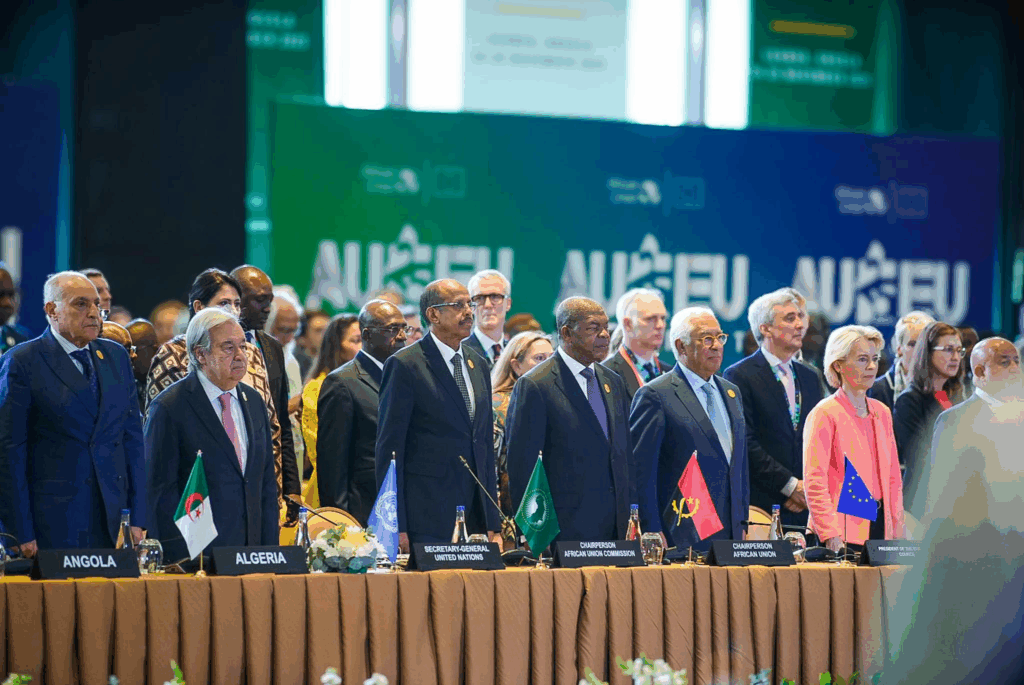
EU Commission President Ursula von der Leyen warned that “global trade is more politicized than ever,” noting that tariffs, trade barriers, and export controls are increasingly used to extract concessions, which she noted as a cause for the joint cooperation. She emphasized that joint action and investment will help both continents navigate global economic pressures while promoting a just and green transition.
The Joint Declaration of this 7th AU‑EU Summit, reaffirms a “strong, balanced, and forward‑looking” partnership, emphasizes multilateralism, and commits to cooperation on peace, governance, green energy, trade, and mobility.