Tensions With U.S. Cast Shadow Over Africa’s First G20 Summit as Ramaphosa Defends Multilateralism
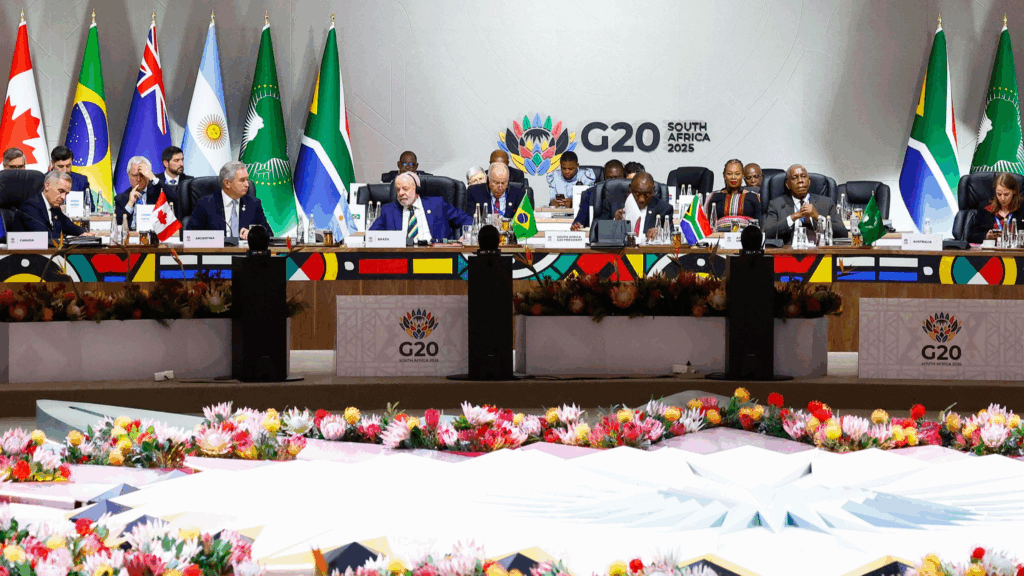
South Africa pushes ahead with Africa’s first G20 summit, even as a diplomatic standoff with the United States continues to dominate headlines and influence the tone of the gathering. With most leaders now in Johannesburg summit engagements, the dispute has become one of the most defining stories of this year’s G20.
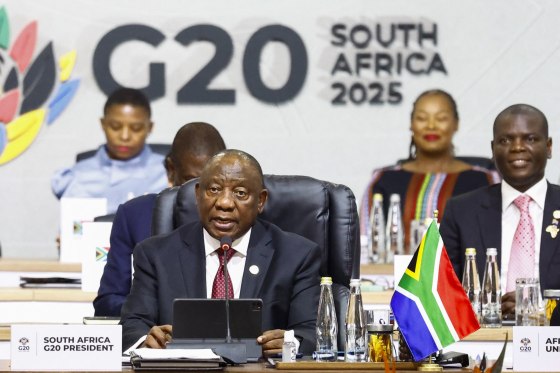
Speaking at a Social Summit convened for civil-society leaders, President Cyril Ramaphosa warned that global power imbalances were deepening inequality and undermining international cooperation. He said the G20 must stand against domination by powerful nations and uphold the principles of fairness and equality.
“There should be no unwritten rules about those who feast and those who must be settled for scraps,” Ramaphosa said. “It cannot be that a country’s geographical location or income level or army determines who has a voice and who is spoken down to. And it basically means that there should be no bullying of one nation by another.”
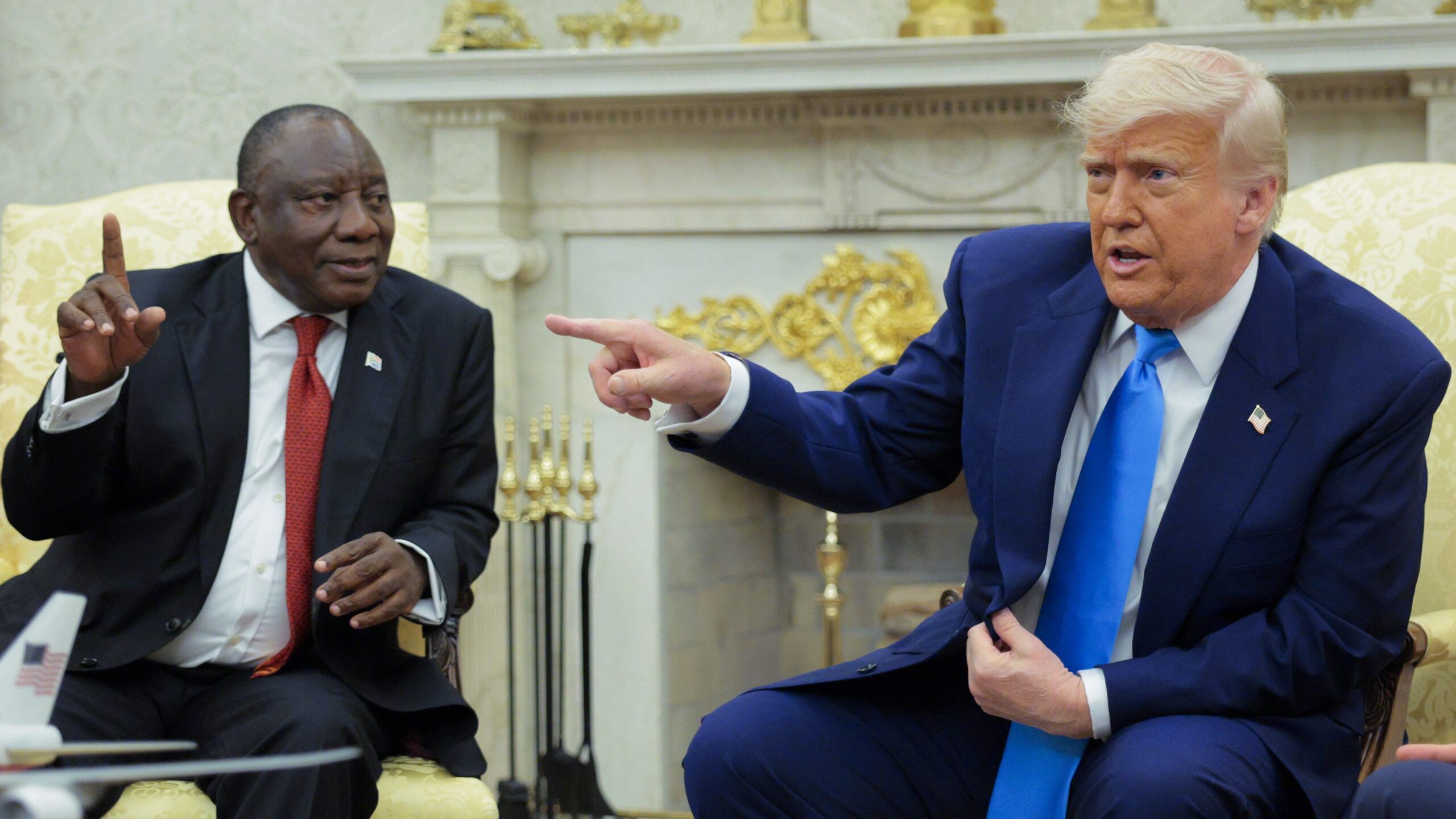
Ramaphosa’s remarks come after Washington informed Pretoria that the United States will not take part in any G20 negotiations. U.S. officials say South Africa’s priorities do not align with American positions, prompting Washington to refuse participation in the drafting of a leaders’ declaration.
The dispute is compounded by renewed criticism from the U.S. president Donald Trump, who has repeatedly accused South Africa of mistreating white farmers and claimed the country is unsafe allegations the South African government has dismissed as inaccurate and inflammatory. Trump has also argued that the G20 “does not have the same meaning” without U.S. involvement, a remark seen in Pretoria as undermining Africa’s historic moment hosting the forum.
Despite the sharp rhetoric, Ramaphosa initially suggested the U.S. might still send limited representation an idea quickly denied by the White House, which also criticized his characterization of the diplomatic exchanges.
South African officials insist the summit will proceed as planned and deliver concrete outcomes. Foreign Minister Ronald Lamola said the absence of any single country “will not dictate the decisions of the G20,” emphasizing that South Africa remains committed to a united, outcome-focused presidency.
Meanwhile, South Africa used the day to deepen cooperation with the European Union, signing agreements on critical minerals, infrastructure investment and expanding local value-addition in mineral processing. The deals aim to move South Africa up the beneficiation chain and support cleaner, more secure supply networks.
European Commission President Ursula von der Leyen said the new value-chain partnership would help build “fair and reliable supply chains” essential for the clean-energy transition in both Africa and Europe.
With the summit theme of solidarity, equality, and sustainability, South Africa hopes its presidency will strengthen the Global South’s influence in shaping global policy even as geopolitical tensions threaten to overshadow the landmark event.
Share this article
Subscribe
By pressing the Subscribe button, you confirm that you have read our Privacy Policy.