But how is the Algiers agreement seen in today’s Ethiopia? Is it in alignment with the historical imperatives?
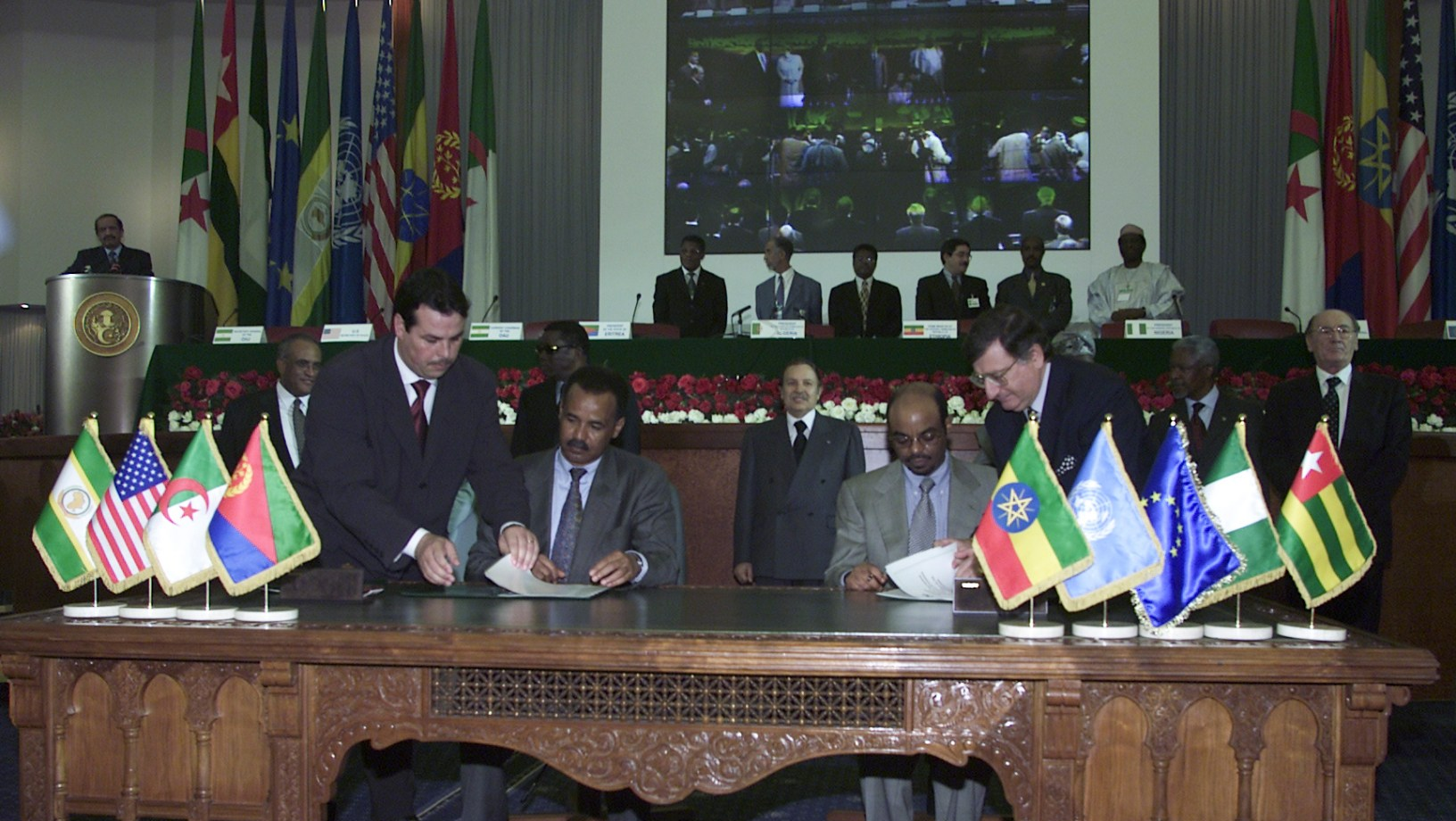
Marking 25 years since the signing of the Algiers Agreement, which ended the conflict between Ethiopia and Eritrea, the governments of Canada, Japan, Norway, Türkiye, and the United Kingdom reaffirm their longstanding support for the Agreement and the principles it upholds, including the borders established by the Boundary Commission.
UN Secretary-General António Guterres has urged Eritrea and Ethiopia to recommit to the agreement, warning that renewed tensions could jeopardize regional peace and stability.
Background and Contemporary Context
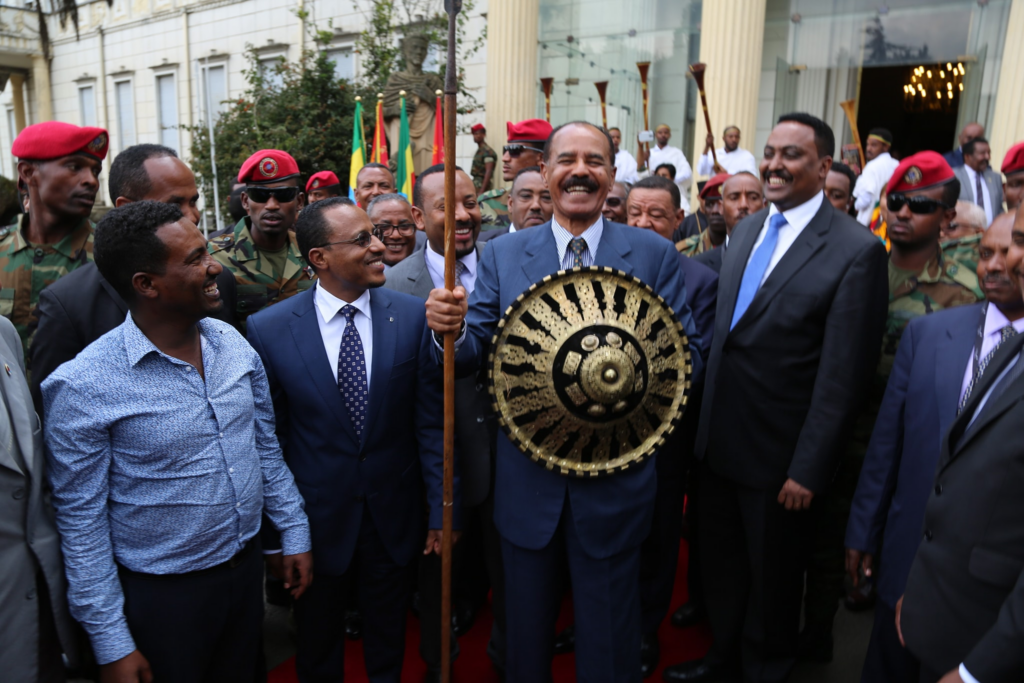
The Algiers Agreement, signed by the then Prime Minister of Ethiopia Meles Zenawi and Eritrean President Isaias Afwerki, brought to an end a brutal war that claimed up to 80,000 lives on both sides.
Eritrea’s secession in 1993, officially ratified through a referendum after decades of armed struggle against the Derg regime, initially ushered in a brief period of peace. This calm lasted only five years before being shattered by the outbreak of war in 1998, a conflict that lasted for two years and drew international involvement in efforts to broker peace, culminating in the Algiers Agreement.
Despite the promise of reconciliation, relations between Ethiopia and Eritrea have remained fragile.
Seven years ago, hopes were rekindled by renewed people-to-people ties and the prospect of overcoming decades of hostility. However, these expectations have since been undermined by renewed tensions.
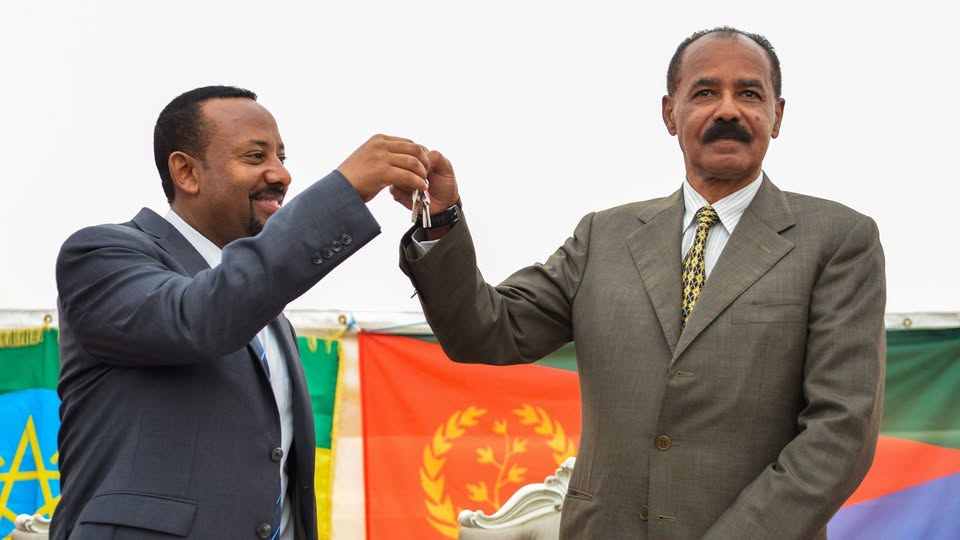
Today, the two countries face the risk of a major escalation, particularly over issues of maritime access. For Ethiopia’s government, this is not merely a matter of securing an outlet to the sea; it also raises questions over the status of a territory that was once a self-governing region within Ethiopia and, in its view, was unlawfully incorporated into Eritrea through an illegitimate mandate.
Ethiopian government’s pursuit of access to the Red Sea, including renewed attention to Eritrea’s Assab region, has revived longstanding disputes that were never fully resolved under the Algiers framework. From it’s perspective, the Agreement is increasingly seen as misaligned with its strategic interests, reflecting deeper historical and geopolitical grievances.
The evolving political landscape within Ethiopia, and the new narratives emerging in its domestic discourse, stand in growing contrast to the assumptions that once underpinned the Algiers Agreement, revealing an expanding gap between its established framework and contemporary regional realities shaped by unresolved historical discontents.