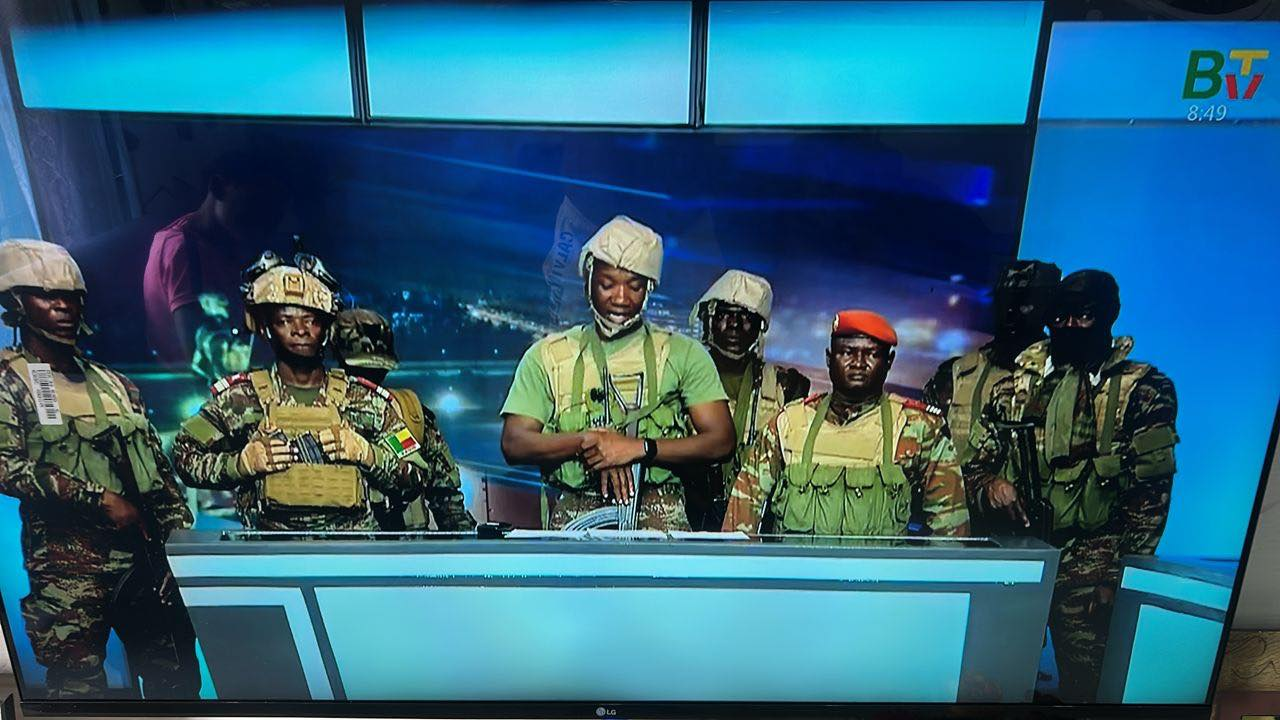
The attempted coup in Benin has quickly expanded beyond a domestic security incident, drawing in major regional and international actors and highlighting shifting geopolitical dynamics in West Africa. What began as a brief appearance by eight mutinous soldiers on state television has now evolved into a moment that underscores France’s renewed diplomatic outreach, Nigeria’s assertive regional posture, and ECOWAS and the African Union’s determination to prevent further democratic backsliding in the region.
France and Nigeria Move in Lockstep
French President Emmanuel Macron and Nigerian President Bola Tinubu appeared to act in near real time as the crisis unfolded. Macron released a statement on X confirming direct engagement with Tinubu during the attempted takeover, while reports of Nigerian Air Force jets flying over the Benin border fueled speculation about swift regional coordination.
ECOWAS and the African Union issued firm condemnations of the attempted military takeover, declaring full support for Benin’s civilian leadership. Tinubu reinforced this position with an explicit statement on X:
“Earlier today, on my orders, the Nigerian armed forces stood gallantly as a defender and protector of constitutional order in the Republic of Benin on the invitation of the government. Our armed forces acted within the ambit of the ECOWAS Protocol on Democracy and Good Governance.”
He went on to praise Nigeria’s forces for helping stabilize “a neighboring country” and reaffirmed Nigeria’s commitment to defending democratic norms across the region.
Macron’s own message suggested a broader French strategic interest at play as Paris seeks to rebuild influence after its military exits from Mali, Burkina Faso, and Niger:
“I spoke with President Tinubu of Nigeria… I conveyed France’s solidarity in the face of the various security challenges… At his request, we will strengthen our partnership with the authorities and our support for the affected populations. We call on all our partners to step up their engagement. No one can remain a spectator.”
Analysts note that these synchronized diplomatic moves point to France’s effort to consolidate alliances with stable democratic partners and Nigeria’s increasing willingness to assert itself as West Africa’s security guarantor.
A Mutiny Rooted in Military Grievances
Meanwhile, the coup attempt itself appeared disorganized and symbolic rather than operational. The soldiers chose to broadcast on state television rather than seize government institutions, an act analysts interpret as more theatrical than strategic, aimed at applying political pressure rather than executing a coordinated military takeover.
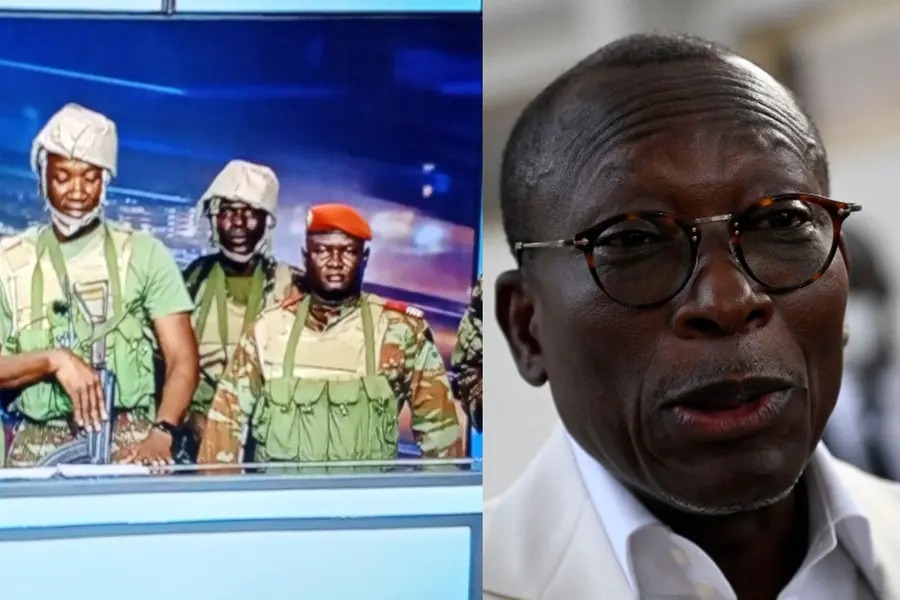
The group is believed to be a disgruntled faction within the armed forces frustrated by what they view as the government’s inadequate response to jihadist incursions from Burkina Faso and Guinea, as well as grievances over unequal treatment and resource allocation within the military.
The alleged leader of the attempted coup is reportedly on the run, while a dozen of his supporters have been detained.
As Benin regains control, the episode has become less about an internal mutiny and more about the evolving balance of power in a region navigating insecurity, political instability, and recalibrated foreign influence.