Afro insight news – Ethiopia’s top military chief reaffirms the country’s determination to regain sea access and safeguard national sovereignty amid shifting Red Sea geopolitics.
Ethiopia’s Chief of Staff, Field Marshal Birhanu Jula, has reaffirmed the country’s determination to secure access to a seaport, declaring that the nation is prepared to assert its maritime and security interests as part of a broader national development agenda.
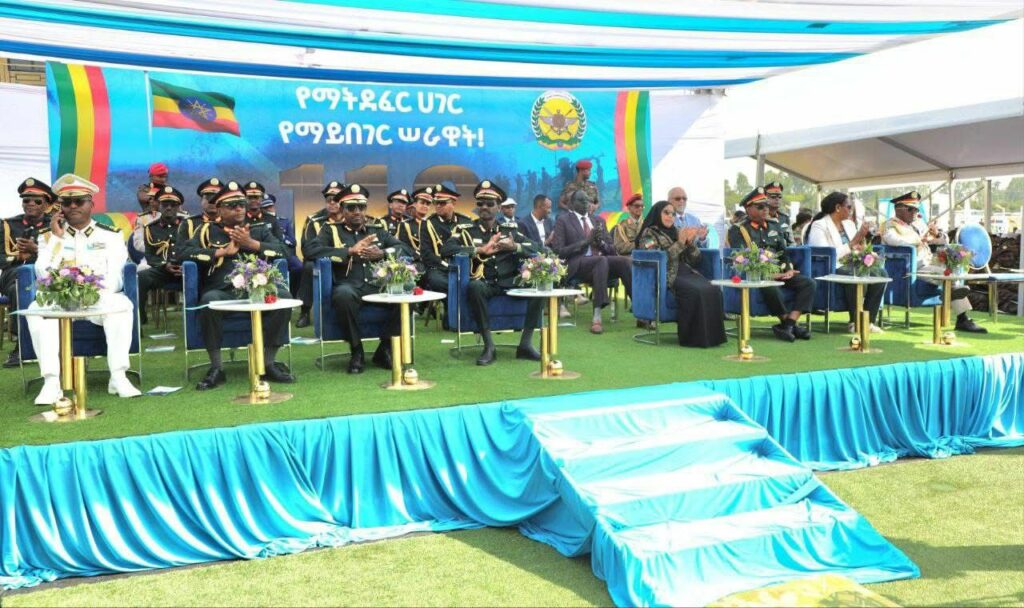
Speaking at the 118th Ethiopian National Defence Force (ENDF) Day celebration held at the Naval Training Center, under the theme “Inviolable Nation, Invincible Army,” the Field Marshal underscored Ethiopia’s readiness to defend its sovereignty and pursue its long-standing maritime ambitions.
“For the last 30 years, we were asleep but now we are permanently hyper-awake,” he said. “We are determined to stay vigilant until we ensure our existential peace, achieve development, and regain our sea access.”
National Strength and Security Priorities
Field Marshal Birhanu emphasized that Ethiopia continues to face both internal and external forces attempting to obstruct its progress and unity. He noted that historical and modern adversaries have sought to keep the nation divided and underdeveloped, but said that Ethiopia’s growing defence capabilities and the determination of its people have ensured continued stability.
He commended the ENDF for its heroism, discipline, and modernization, noting that Ethiopia’s military and state institutions are now stronger and better prepared to safeguard national interests and regional peace.
“Through the continued strengthening of our Defence Force,” he said, “Ethiopia is ready to guarantee peace and assert its legitimate access to the sea.”
Ethiopia’s Renewed Push for Sea Access
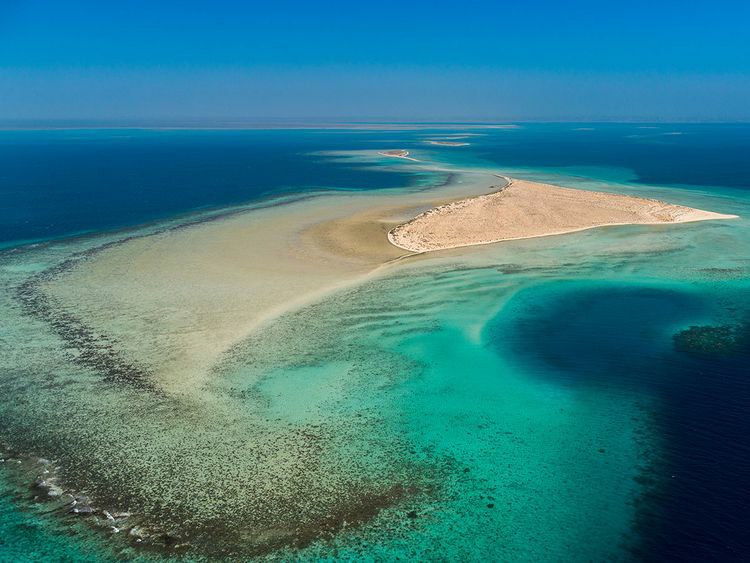
Ethiopia, Africa’s second-most populous nation, has been landlocked since 1993, when Eritrea gained independence and took control of the Red Sea coastline. The loss of direct access to the sea has remained a strategic challenge, affecting trade, security, and economic growth.
In recent months, Prime Minister Abiy Ahmed and senior government officials have reignited the national debate over Ethiopia’s “natural right to sea access.” The Prime Minister has described access to a port as “an existential issue,” vital to the country’s long-term economic and geopolitical stability.
The renewed interest has stirred regional discussions and tensions, particularly with Eritrea, which controls key Red Sea ports such as Assab and Massawa, as well as with Djibouti, Somaliland, and Sudan, which hold coastal positions crucial for regional trade.
Ethiopia currently relies on Djibouti for over 95% of its imports and exports, a dependence that carries economic risks and high transport costs. The government’s recent investments in naval training, port partnerships, and military modernization reflect its growing intent to protect national and maritime interests in the Horn of Africa one of the world’s most strategic and contested maritime corridors.

A Call for Vigilance and National Unity
Field Marshal Birhanu concluded his address by urging continued national vigilance, unity, and modernization of Ethiopia’s defence capabilities. He said that through collective effort between the army, the government, and the people Ethiopia will achieve peace, development, and maritime security.
“Ethiopia will never bow to pressure,” he stated. “Our sovereignty and our access to the sea are part of our identity and future.”