Ethiopia’s coffee exporters are expressing growing concern over the European Union’s Deforestation Regulation (EUDR), which is set to take effect on December 30, 2025. The law will require companies exporting agricultural commodities to the EU to prove their products are not linked to deforestation after December 31, 2020, using precise geolocation and traceability data.
Adopted in June 2023, the regulation covers key commodities such as coffee, cocoa, and palm oil all of which are vital exports for developing nations. For Ethiopia, Africa’s largest coffee producer, the implications are significant.
Gizat Worku, General Manager of the Ethiopia Coffee Exporters Association, noted that the regulation fails to account for Ethiopia’s unique agricultural context.
“The EU Deforestation Regulation overlooks Ethiopia’s unique reality, where coffee is grown within forest-based systems supported by farmers’ shade-tree practices,” he said. “With reforestation reaching 23 percent in 2024/25, Ethiopia’s case is one of reforestation rather than deforestation.”
Local coffee farmers echo this sentiment, emphasizing that they are not only familiar with the new requirements but are also actively engaged in sustainable land management. Many have incorporated reforestation and shade-growing techniques long before the EU law was introduced.
Voices from the Field
In an interview conducted in the East Sidama Zone, Anteneh Alemu, a Coffee Specialist in the region, said that awareness and implementation of the EUDR are already well underway among Ethiopian farmers.
“We understand the EUDR and its requirements,” Anteneh explained. “Farmers with land above four hectares have already begun adding GPS coordinates to their farms in line with the protocol. This is not something new for us — it’s part of our adaptation process.”
He further noted that planting shade trees has long been an established tradition in Ethiopian coffee cultivation, not a recent compliance measure.
“It’s common and traditional for farmers here to grow coffee under shade trees,” he added. “There’s no reason for the EU to find deforested areas near our coffee lands. In fact, our specialists are working closely with farmers to ensure that all practices align with the EUDR policy.”
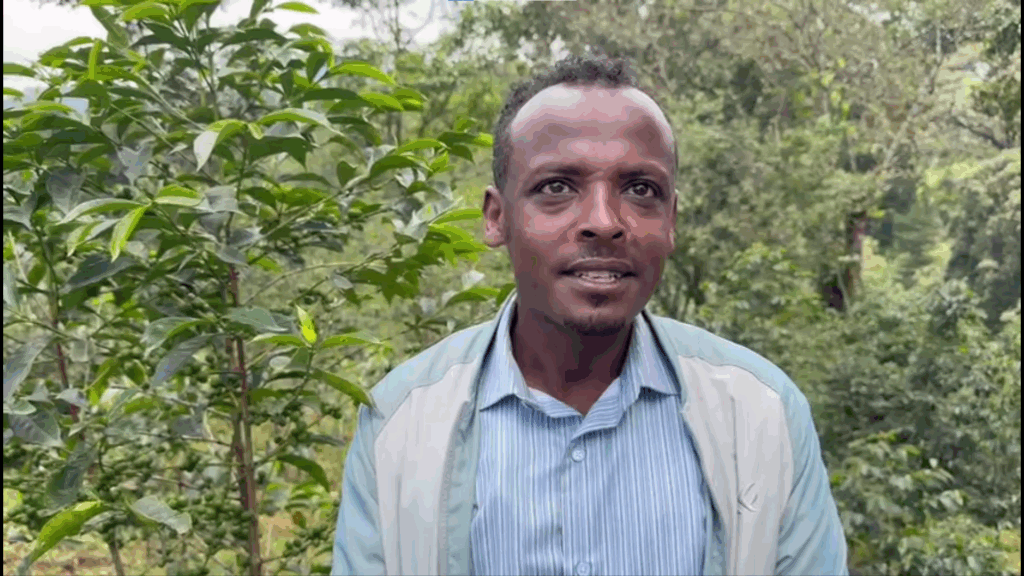
Adding to this, Tadesse Tesfaye, Manager in the Zone’s Agricultural Sector, emphasized that regional authorities have been proactively working to educate farmers on sustainable practices and forest preservation.
“In our region, we’ve been conducting extensive training programs to raise awareness among farmers about the importance of protecting trees,” Tadesse said. “We teach them not to cut down any trees and to plant shade trees across their entire coffee farms. This approach not only supports environmental goals but also improves the quality of our coffee.”
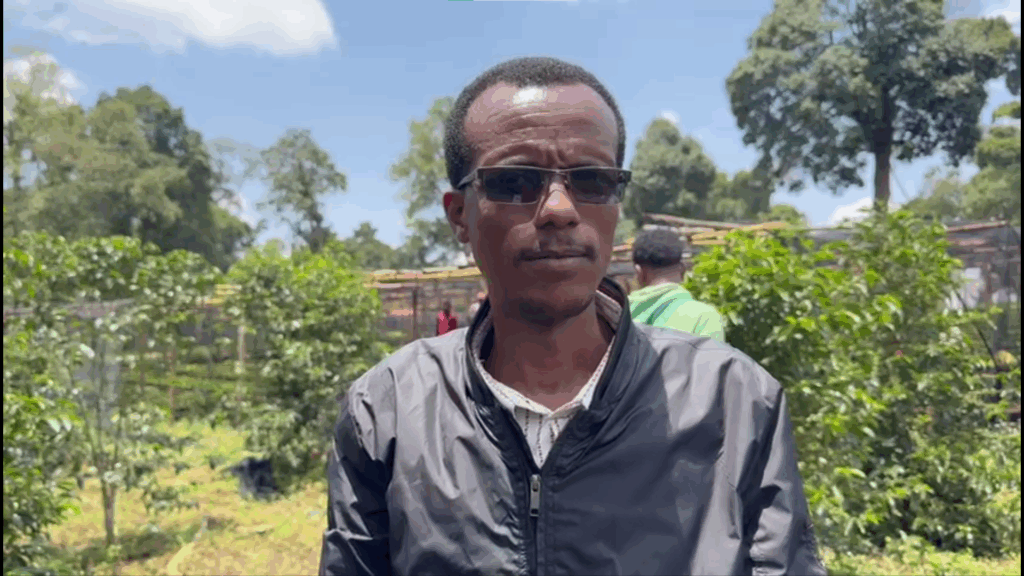
Both specialists highlight that Ethiopia’s traditional and community-based farming systems are deeply aligned with environmental conservation principles suggesting that with proper support, compliance with the EU’s deforestation law is achievable without disrupting livelihoods.
While the regulation aims to combat global deforestation, critics argue that it places a disproportionate burden on developing economies that contribute minimally to global greenhouse gas emissions. Compliance costs and data requirements could further strain smallholder farmers and exporters.
In contrast, China’s new zero-tariff policy for African imports has been praised for its inclusive and incentive-driven approach. Unlike the EU’s compliance-based model, Beijing’s framework emphasizes partnership and economic growth, encouraging sustainability through opportunity rather than restriction.
As Ethiopia seeks to expand its global coffee exports, balancing environmental responsibility with economic fairness remains a critical challenge and the outcome could shape the future of Africa’s agricultural trade with major global markets.