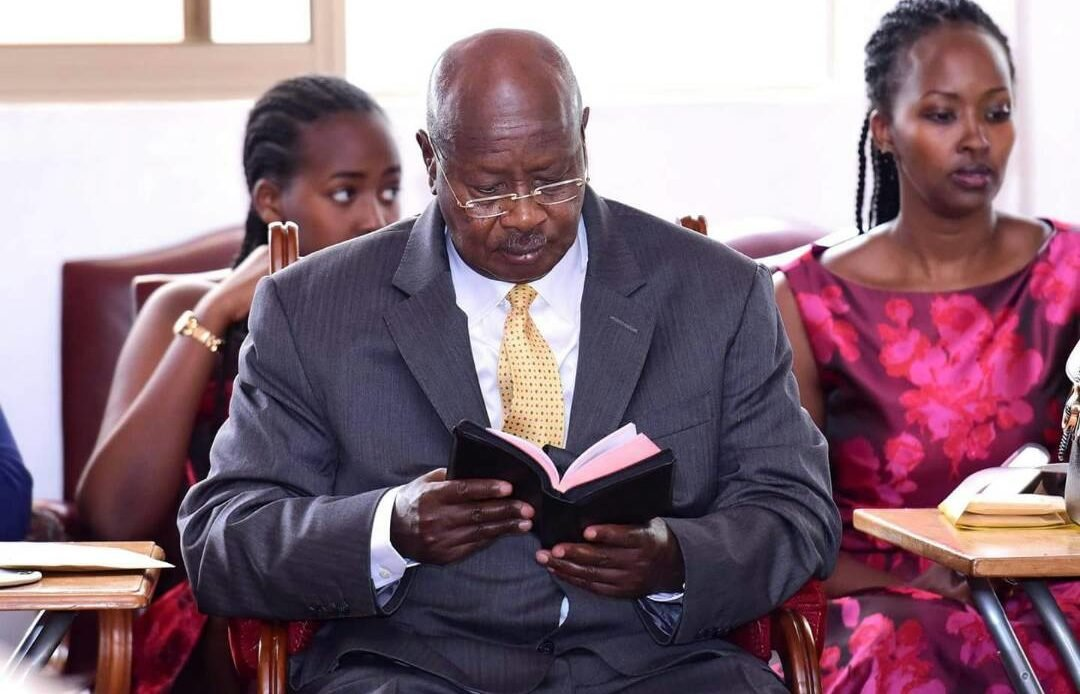
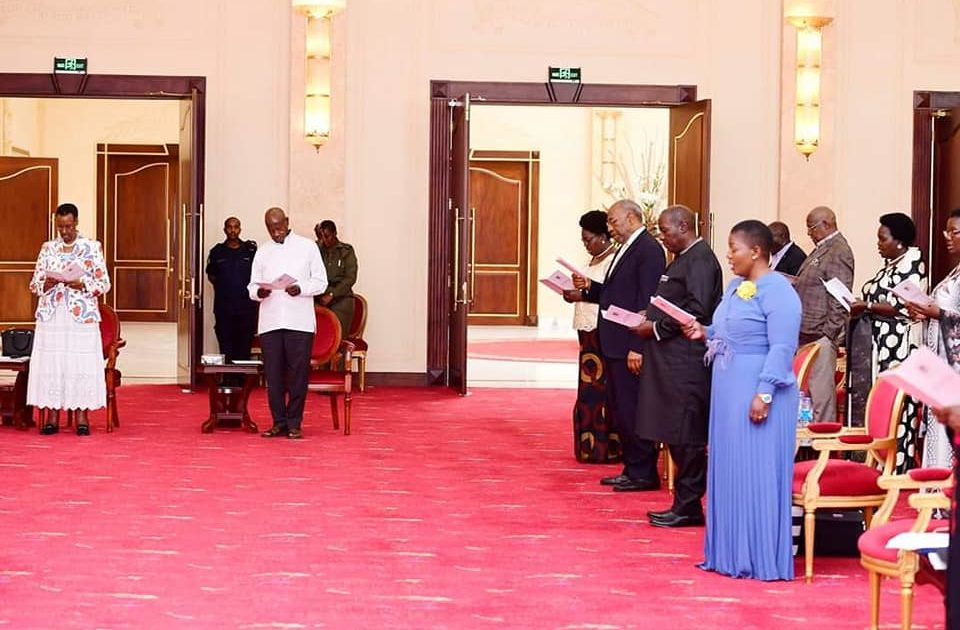
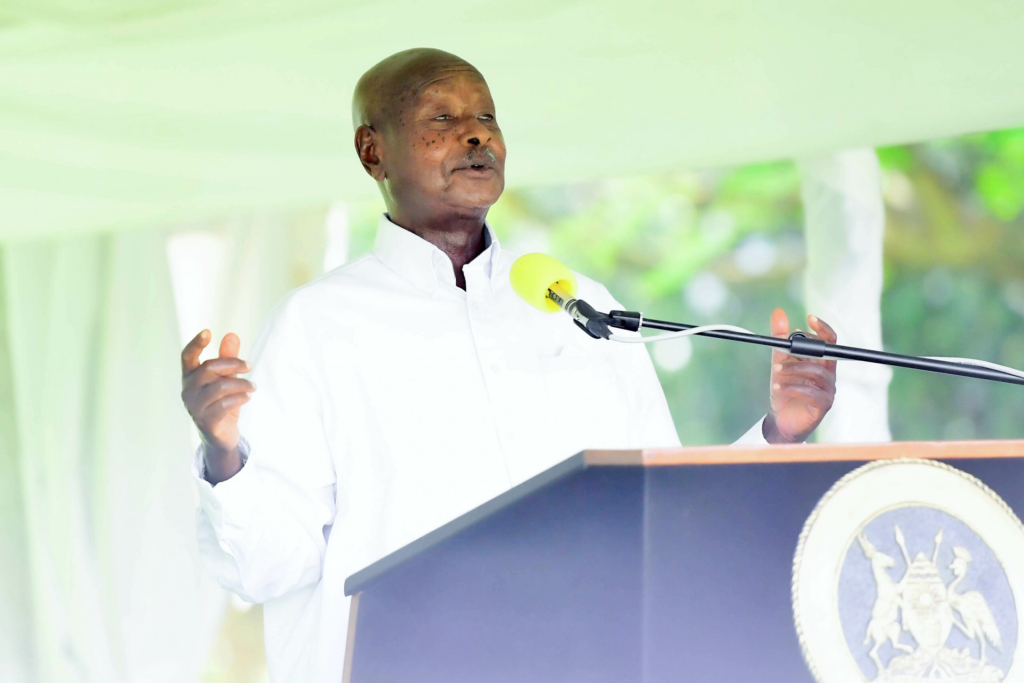
President of Uganda, Yoweri Museveni placed state security and national integrity at the forefront of Uganda’s political agenda during this week’s National Prayer Day address, using the religious event to issue strong warnings against what he described as foreign-backed efforts to destabilize the country.
Speaking at State House Entebbe, Museveni accused external actors of fueling political divisions through local groups, insisting that the state has the security infrastructure to counter any such attempts. “These groups are mainly pushed by foreigners to create chaos, which of course will not happen in Uganda,” the president said.
Museveni’s remarks also targeted sections of the youth, whom he accused of prioritizing political protests and activism over economic productivity. He argued that wealth creation, not political mobilization, should be the central focus of the younger generation, claiming that groups encouraging political unrest show little concern for future economic improvement.
Beyond domestic security, the president has in recent speeches framed Uganda’s future within a broader regional context, reviving his long-standing vision of East African integration. Similarly, Museveni has also presented regional unity as both a moral obligation and a strategic necessity, particularly for the youth, at a time marked by political upheavals, contested elections, and the prolonged consolidation of power by revolutionary-era leaders across the region.
In earlier remarks, Museveni has argued that the East African Federation should be anchored in a shared language, Kiswahili, a unified security architecture, and a single economic space. He has frequently portrayed this vision as essential to safeguarding sovereignty, expanding regional markets, and ensuring long-term stability.
Returning to this week’s prayer address, Museveni also employed religious language to denounce sectarianism, warning against religious leaders who, he said, promote division. He argued that the Ugandan state is founded on the rejection of sectarian politics, which he described as a direct threat to national unity. Museveni said he would firmly reject anyone who approached him with such sentiments, saying he will respond by saying, “I say to you, Satan, leave me alone
Analysts note that such statements reflect a familiar pattern in which the president blends spiritual symbolism with political messaging, portraying unity, discipline, and obedience as virtues forged through struggle rather than political contestation. This rhetoric often overlaps with his romanticized recollections of Uganda’s armed liberation era, particularly the fight against Idi Amin, which he presents as the foundational moment of the modern state.
That historical framing has increasingly been directed at Uganda’s younger generation. In recent speeches, Museveni has sharply criticized Gen Z, questioning their contribution to national development and contrasting their political culture with his own generation’s resort to armed struggle. “When I was 26, we started the FRONASA movement to liberate this country,” he has said, dismissing what he characterizes as a politics of “vibes.” Such remarks have drawn attention beyond Uganda’s borders, as similar youth-led movements have emerged across East Africa, including in neighboring Tanzania, intensifying debates over leadership transition and generational change.
Critics warn that Museveni’s blending of liberation history, religiously infused ideology, and regional ambition risks aggravating already fragile dynamics in the region. Particular concern has followed his past assertion that parts of eastern Democratic Republic of Congo, specifically Ituri, were historically linked to Uganda’s Bunyoro kingdom.
Analysts argue that such narratives, often echoed by African leaders, can deepen suspicion and heighten tensions in a region already strained by armed conflict and competing territorial claims.
As Museveni continues to revive the language of state defense, historical struggle, and political destiny, observers say the central challenge will be whether these ideas can be advanced without deepening generational discontent at home or further destabilizing an already volatile regional landscape.