
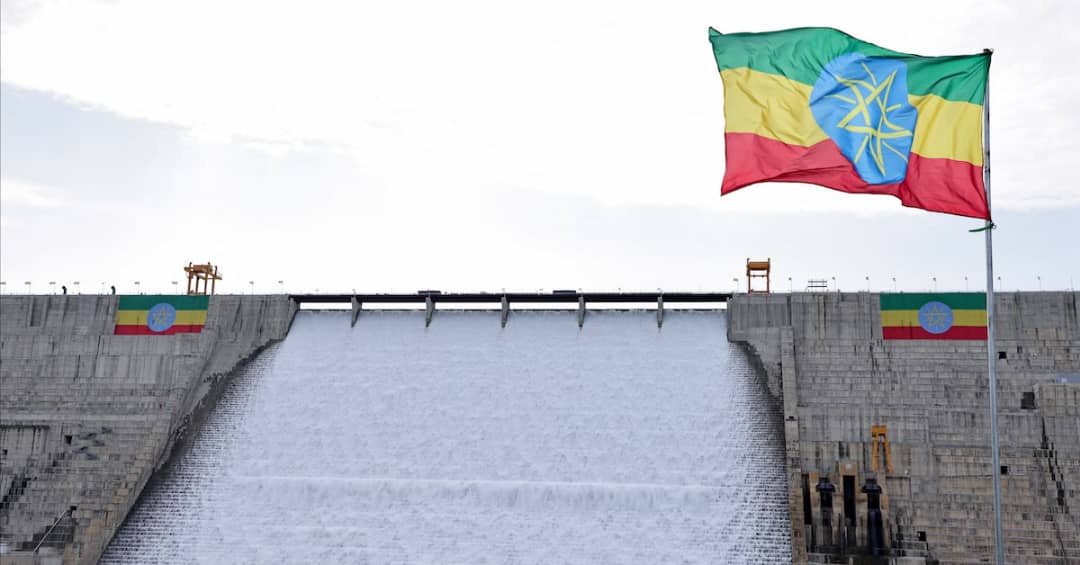
The Ministry of Foreign Affairs of Ethiopia issued a forceful press statement on 3 December 2025, strongly rejecting recent rhetoric by Egyptian officials. The statement accused Egypt of “clinging to colonial-era mentality,” invoking outdated treaties, and framing the waters of the Blue Nile (Abbay) as if they belong exclusively to downstream states. Ethiopia insisted it, like any other riparian country, has the sovereign right to use water within its borders, without seeking permission from Egypt.
Ethiopia also characterized what it sees as Egypt’s hardening stance as part of a “campaign of destabilization” focused on the Horn of Africa. The statement argued that by rejecting dialogue categorically and threatening unilateralism, Egyptian authorities show a failure of imagination and leadership. Ethiopia emphasized that fair, reasonable, and equitable utilization of Nile waters is the guiding principle under international water law — and that they won’t be inhibited by “vestiges of colonialism” in asserting their rights.
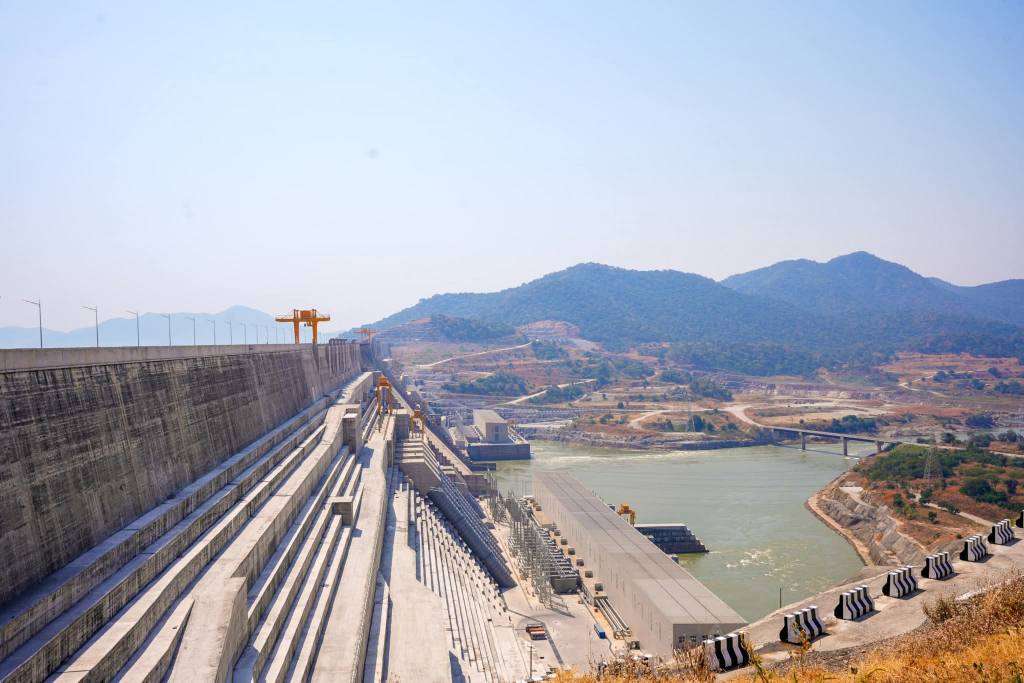
In essence, Addis Ababa framed its use of the Nile tributaries not only as a legitimate domestic policy, but as part of a broader stance of African solidarity and self-reliance. It made clear that projects such as the Grand Ethiopian Renaissance Dam (GERD) are emblematic of Ethiopia’s developmental aspirations, and African self-reliance. The ministry demanded that any cooperation on the Nile be based on equity and good-faith dialogue, not historical entitlement or coercion.
Recently, Badr Abdelatty, Egypt’s Foreign Minister, reiterated Cairo’s position that negotiations over the GERD have effectively “reached a dead end” after over a decade of fruitless talks. He emphasized that Egypt views its share of the Nile’s waters as non-negotiable and described water security as “an existential issue” for his country. According to him, Egypt “reserves the right to defend its water interests in accordance with international law,” if it perceives them threatened.
The exchange of statements highlights just how wide the gulf has become between Addis Ababa and Cairo over the principles governing use of shared resources. With formal dialogue apparently paused and public rhetoric hardened, the risk of a diplomatic deadlock, and further regional tension, seems increasingly real.







One Response