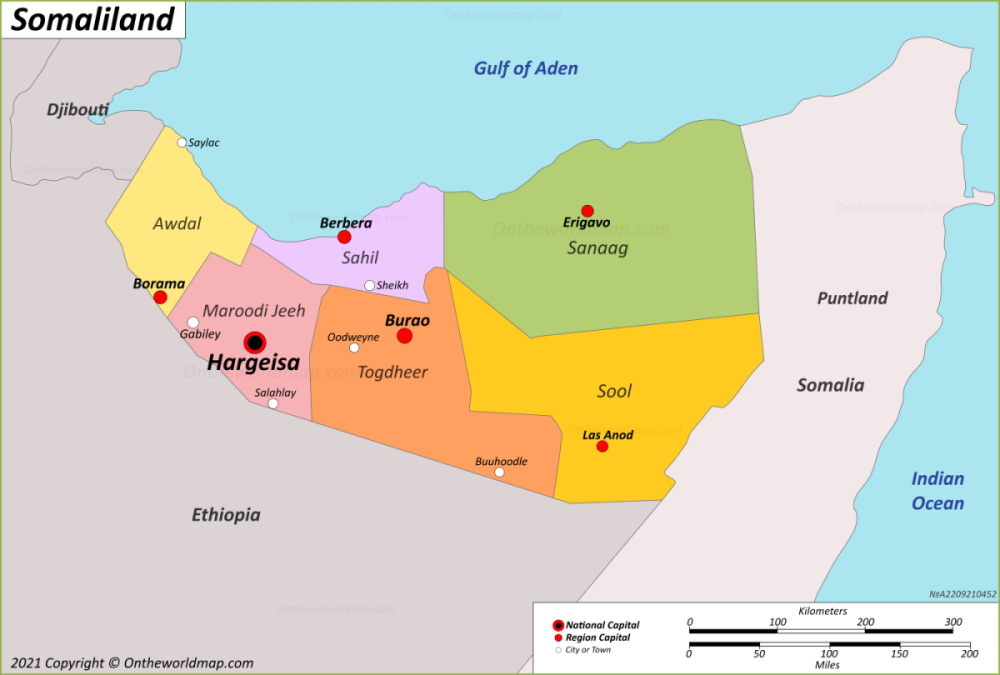
Somaliland’s recent recognition has renewed debate over Ethiopia’s access to ports and regional influence. Analysts say cooperation could boost trade and energy integration, while Somalia objects, citing territorial integrity. Ethiopia’s options for renegotiating ties remain in question.
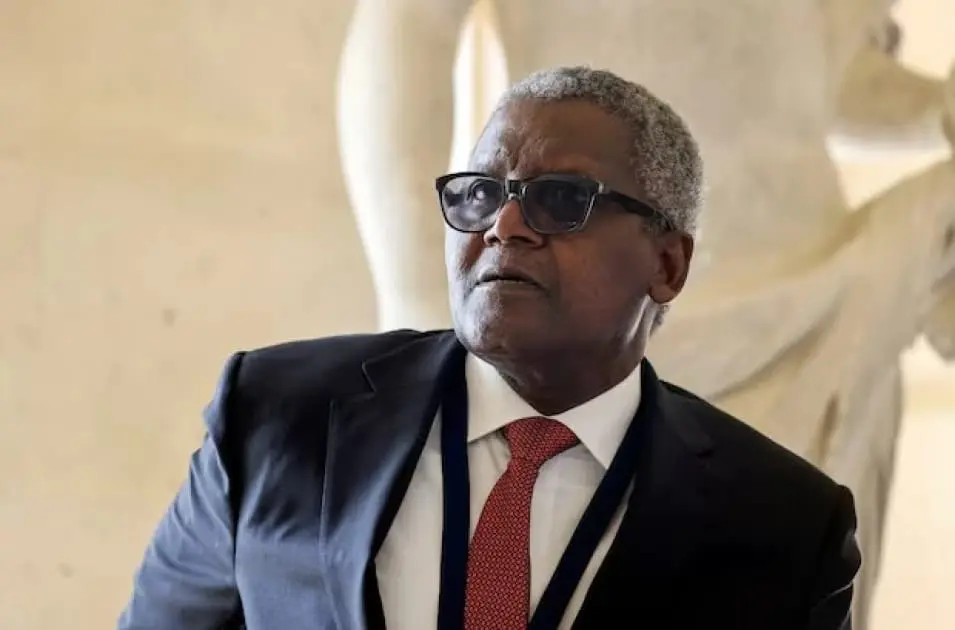
Has Ethiopia missed the train to Somaliland, or is it still too early to draw such a conclusion? Speaking on with BBC, Zemedeneh Negatu, Ethiopian economist and international commentator, highlighted the strategic significance of the recent recognition of Somaliland could hold for Ethiopia, particularly in addressing its long-standing lack of direct access to the sea.

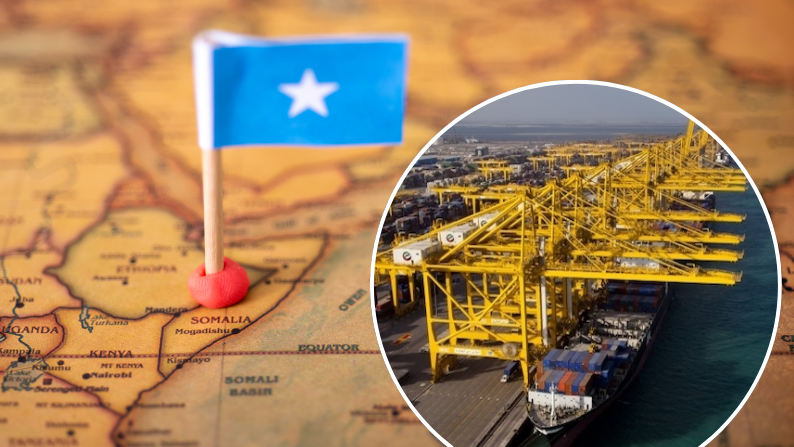
He described the recognition as a positive development for Ethiopia, interpreting it to mean that the country would effectively secure a 50-year lease for access to Somaliland’s ports.
He notes that Ethiopia has been landlocked since 1993, following Eritrea’s independence. Since then, the country has relied overwhelmingly on Djibouti for its maritime trade. Despite this constraint, he adds, Ethiopia has emerged as one of sub-Saharan Africa’s largest economies, ranked third by nominal GDP, after Nigeria and South Africa. This economic scale, he argues, makes diversification of port access a strategic necessity rather than a choice.
Citing long-term projections by Goldman Sachs 2075 global economic outlook, the investment bank projected that Ethiopia could become one of the world’s largest economies by total GDP,Zemedeneh also highlighted Ethiopia’s expanding hydropower capacity, suggesting that its energy projects support not only domestic growth but also broader East African economic integration through electricity exports.
Somali officials, however, have consistently rejected Ethiopia–Somaliland arrangements, describing them as a violation of Somalia’s territorial integrity. These tensions were prevented through Turkish-mediated talks in Ankara.
For Zemedeneh Negatu Ethiopia’s re-engagement with Somaliland shouldn’t be perceived by Somalia as a diplomatic betrayal. He pointed Somalia should approach it from the vantage point of Africa’s broader continental connectivity visions: cross-border transport corridors, regional economic integration initiatives, and such as the African Continental Free Trade Area (AfCFTA), and so on.
The debate reignited after Israel’s recognition of Somaliland, sparking commentary. Some argued that Ethiopia had ‘missed a strategic opportunity,’ viewing previous tension‑mitigating agreements as premature concessions, while others suggested Addis Ababa should revive or renegotiate its understanding with Somaliland to safeguard long-term national interests.